Homeowners in Bloomfield, New Jersey want clarity on what is expected when addressing mold. Requirements include safety practices, documentation, and coordination with building systems so remediation is effective and durable. This guide lays out homeowner responsibilities, best practices aligned with recognized standards, and practical steps for prevention and verification. It also explains when professional assistance is advisable and how to integrate remediation with future renovations. Whether your concern is a bathroom ceiling or a damp basement wall, proper planning and execution will help you achieve lasting results. If you prefer expert help at any step, you can schedule professional mold removal and use this guide as your roadmap for compliance and long-term protection.
Homeowner Responsibility: Source Control First
Every successful project starts with moisture control. As a homeowner, you are responsible for investigating and addressing the source of water intrusion or humidity. Check exterior drainage, gutters, and downspouts; verify that soil slopes away from the foundation; and repair plumbing leaks or appliance overflows promptly. Inside, ensure bathrooms and kitchens have effective exhaust ventilation and that laundry areas dry out quickly after use. Without source control, mold will return, regardless of how thoroughly surfaces are cleaned.
Safety Requirements and Protective Measures
Safe work protects occupants and workers alike. Basic expectations include using suitable respiratory protection, eye protection, gloves, and clothing that can be washed immediately after the job. Establish containment for the affected area and cover supply and return vents within that space so particles do not enter the HVAC system. Plan a single entrance to the work zone, and protect the access path to prevent tracking debris. These measures reduce cross-contamination and are considered fundamental to responsible remediation.
Containment and Work Area Isolation
Isolation of the workspace is essential when visible growth or musty odor indicates active contamination. Close doors, seal gaps where air may bypass, and keep airflow moving from clean rooms into the work area rather than the reverse. Avoid aggressive air movement directly on moldy surfaces, as this can spread particles. Treat containment as a temporary envelope that must be intact before you disturb any material. Proper isolation supports safe removal and keeps the rest of the home clean.
Material Handling: Remove vs. Clean
Requirements differ by material type. Non-porous surfaces such as metal, glass, and glazed tile can often be cleaned and dried. Semi-porous materials like finished wood and concrete may be salvaged with thorough cleaning and careful drying. Porous materials—including unsealed drywall, carpet and padding, acoustic tiles, and insulation—are usually not salvageable once contaminated and should be removed and appropriately disposed of. Cut slightly beyond visible growth to capture hidden contamination at edges, and double-bag debris to prevent spread while transporting it out of the home.
HVAC Considerations and System Protection
Protecting HVAC systems is a common requirement. Cover supply and return registers in the affected zone during work and keep central systems off to avoid distributing spores. After remediation, remove coverings and wipe registers and nearby surfaces before restarting the system. If contamination is suspected within ductwork or air handlers, professional evaluation is recommended. Addressing the system promptly prevents reintroduction of particles to cleaned spaces.
Cleaning Sequence and Drying
Effective remediation follows a logical order: establish containment and PPE, remove contaminated materials, perform detailed cleaning, and dry thoroughly. Work from cleaner to dirtier zones, change wipes frequently, and avoid aggressive actions that generate dust clouds. Drying is crucial; even small pockets of moisture can reignite growth. Use controlled ventilation or dehumidification to reduce humidity and verify dryness before restoring finishes.
Verification and Documentation
Documentation is part of responsible remediation. Keep a log of what you observed, materials removed, surfaces cleaned, and steps taken to fix the moisture source. Take photos before, during, and after work. If you use moisture meters, record reference readings and final readings. Verification should include visual cleanliness, normal odors, and dry materials compared with known dry areas. Organized records support home maintenance, future renovations, and potential real estate transactions.
When Professional Help Is Required
Some conditions warrant professional oversight. Widespread contamination across multiple rooms, growth within HVAC components, moisture from unsanitary sources, or the presence of vulnerable occupants are strong indicators to involve experts. Structural repairs, such as fixing foundation cracks or roof penetrations, may also require specialized contractors. A coordinated approach ensures that containment, removal, and prevention methods align, and that the project concludes with confidence.
Integration with Renovations and Upgrades
Remediation often intersects with remodeling. Before finishing a basement or updating a bathroom, confirm that the underlying structure is dry and clean. Select materials appropriate for damp-prone areas, such as moisture-resistant backer boards and properly detailed waterproofing where needed. Improve ventilation during renovations, and address exterior drainage and air sealing to reduce condensation. Integrating these improvements with remediation creates durable interiors that resist future problems.
Local Realities in Bloomfield Homes
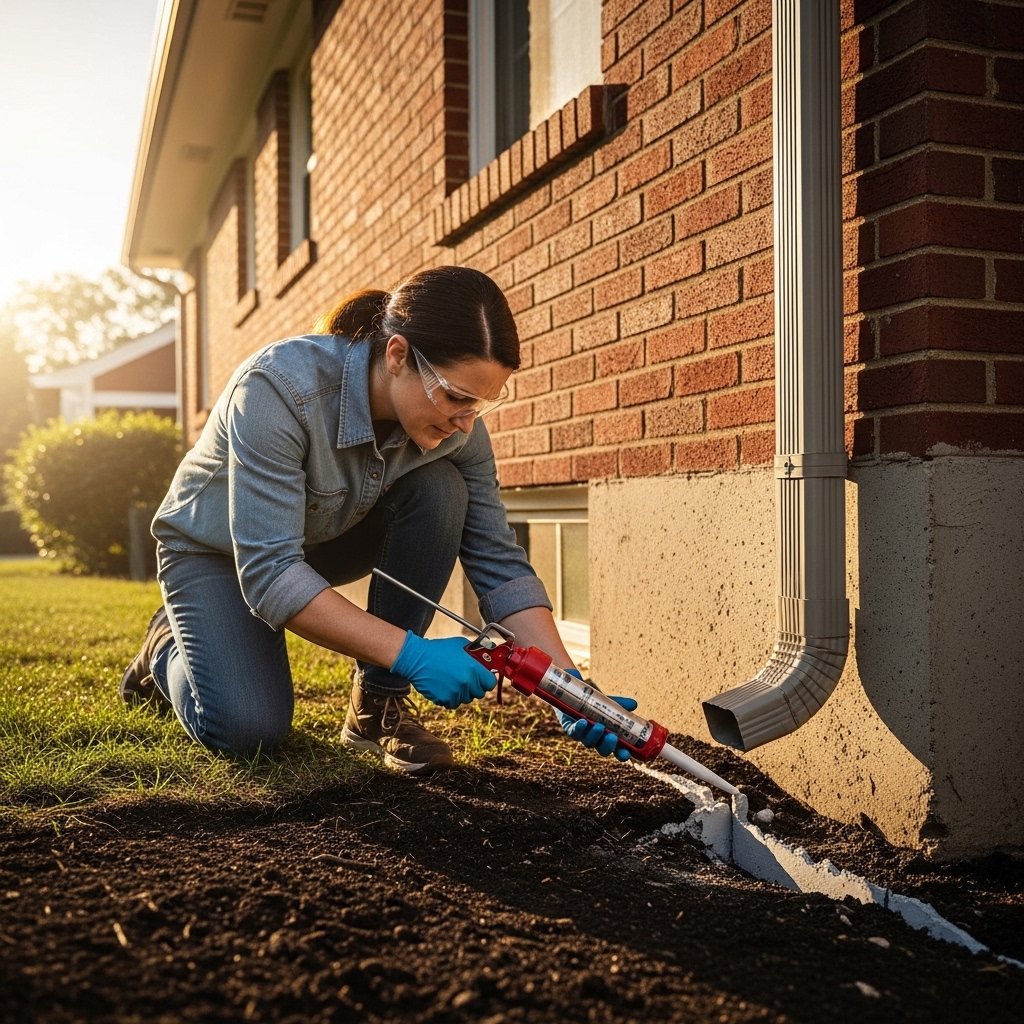
Many Bloomfield houses feature basements that fluctuate seasonally in humidity. Window wells, foundation hairline cracks, and aging sump systems can admit water during storms. Attics may suffer from insufficient ventilation or air leakage from living spaces that condenses on cold roof decks in winter. A thorough plan accounts for these realities—improve drainage, seal penetrations, and right-size ventilation to create a balanced, dry interior environment. Regular maintenance, such as gutter cleaning and caulking renewal, reinforces the benefits of remediation.
Common Mistakes to Avoid
Do not paint over mold or attempt quick fixes without diagnosing moisture. Avoid dry scraping or aggressive sanding that aerosolizes particles. Do not run central HVAC during removal. Resist shortcuts like partial removal of porous materials when deeper contamination is likely. Finally, do not reinstall finishes until moisture readings and odors confirm that the structure is dry and clean.
Frequently Asked Questions
Q: Are homeowners allowed to handle small mold issues themselves? A: Many small, confined areas on non-porous surfaces can be addressed safely with basic PPE and containment. If growth returns or involves porous materials, consider professional evaluation to prevent recurrence.
Q: How do I protect my family during remediation? A: Isolate the workspace, use appropriate protective gear, and schedule work when occupants can avoid the area. Keep doors closed to clean rooms and maintain a careful, low-dust workflow.
Q: What if the smell persists after cleaning? A: Persistent musty odors usually indicate remaining moisture or hidden contamination. Reassess the moisture source, verify dryness, and consider an independent check to confirm the issue is resolved.
Q: Do I need to inspect my HVAC? A: If contamination is near returns or if dust spread during an event, evaluate the system. Keep it off during work, clean registers afterward, and seek professional help if internal components may be affected.
Q: How can I prevent mold from returning? A: Keep humidity in check with ventilation and dehumidification as needed, fix leaks promptly, extend downspouts, seal penetrations, and maintain caulking. Choose moisture-resilient materials when remodeling high-risk rooms.
Take the Next Step for Your Bloomfield Home
Meeting mold removal requirements is about safeguarding health, protecting property, and preventing future problems. Focus on source control, containment, careful removal, disciplined cleaning, and thorough drying, then document the results for lasting confidence. If you prefer expert guidance or a turnkey solution, schedule trusted mold removal so your Bloomfield home remains clean, dry, and comfortable through every season.