
Expert tips to make mold inspections more effective in Bloomfield
Homeowners in Bloomfield, New Jersey face unique moisture challenges: humid summers, sudden downpours, freeze-thaw cycles, and a mix of older and newer construction. Those variables can mask or magnify mold risks. The following expert tips will help you get more out of each inspection, whether you are doing a preliminary walkthrough yourself or planning to hire a professional. If you would rather start with a comprehensive evaluation, schedule a professional mold inspection and use these insights to prepare and follow through.
Think of inspection as a cycle rather than a one-time event. You observe, measure, act, and then verify results. This disciplined loop prevents recurring issues and keeps small moisture problems from escalating.
Tip 1: Follow the water from roof to slab
Begin outside and trace water’s path. Check roofing, gutters, and downspouts, confirm that downspouts carry water away from the foundation, and verify that landscaping slopes outward. Examine siding and penetrations such as vents and hose bibs. This top-down logic helps you connect interior clues to exterior sources, which is essential for durable solutions.
Tip 2: Use your nose wisely
Musty odors are often the earliest warning. Note where they are strongest, what time of day they peak, and whether weather changes influence them. Odors that accumulate in closed closets or behind heavy furniture usually point to ventilation issues, while odors that intensify after rain suggest exterior intrusion. Document your observations; patterns matter.
Tip 3: Measure humidity and track it
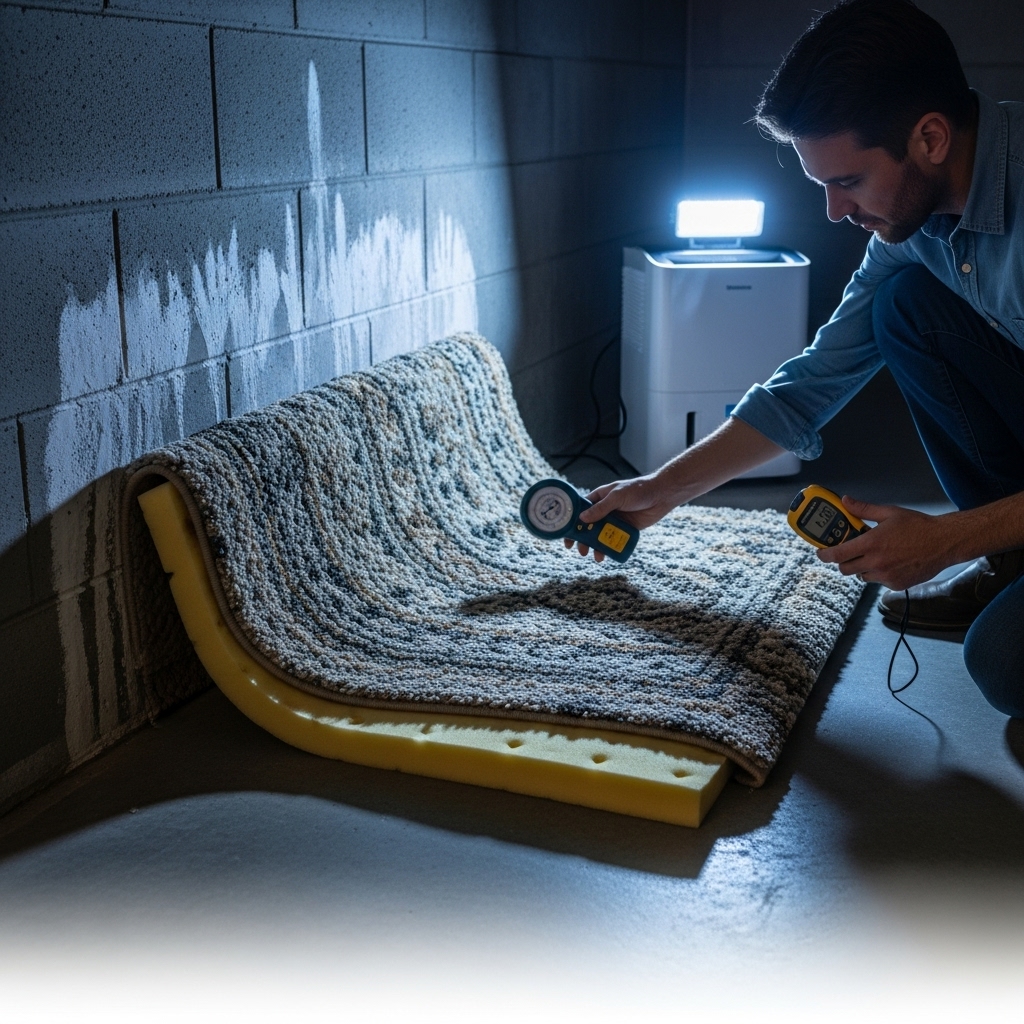
A small hygrometer pays for itself in clarity. Check humidity in bathrooms after showers, basements after rain, and bedrooms overnight with doors closed. Track readings by date and room. If numbers stay elevated in certain spaces, plan targeted ventilation or dehumidification and verify improvement on your next check.
Tip 4: Prioritize source control over spot cleaning
Visible staining and minor growth are symptoms. Focus first on stopping the moisture that feeds the issue. Repair leaks, improve drainage, seal flashing, and manage indoor humidity. Surface cleaning without moisture control usually results in quick recurrence, making the problem seem mysterious when it is not.
Tip 5: Inspect vulnerable rooms methodically
Kitchens, bathrooms, laundry areas, basements, and attics deserve special attention. Look under sinks, behind appliances, at grout and caulk lines, and around vents. In attics, ensure that bathroom fans vent outside and that insulation is dry and properly installed. In basements, look for efflorescence, rust on metal objects, and tide lines that reveal past moisture.
Tip 6: Move furniture and lift what you can safely
Shadows behind furniture tell stories. Pull couches and dressers a few inches from exterior walls and check baseboards and flooring. Lift area rugs to inspect padding and corners. These quick checks reveal hidden condensation points or spills that might otherwise go unnoticed for months.
Tip 7: Read ceilings like maps
Ceiling stains can be subtle. Look for faint rings near light fixtures, along exterior wall lines, and below upper bathrooms or laundry rooms. Note any paint bubbling or nail pops. If accessible, check the space above the stain to distinguish between old, inactive marks and active dampness.
Tip 8: Watch HVAC behavior
Replace filters on schedule and inspect condensate lines and pans for leaks or clogs. Listen for whistling or rattling at registers, which may indicate airflow restrictions that can cause uneven temperatures and condensation. Ensure bathroom and kitchen exhaust fans actually move air by testing with a tissue.
Tip 9: Photograph and label findings
Photos with simple labels save time and make patterns obvious. Include a wide shot to show context and a close-up to capture details. Number your photos and log them by room and issue. When you consult a professional, this record transforms a vague concern into a focused conversation.
Tip 10: Know when to pause and call a pro
If you smell persistent mustiness, see widespread staining, or find building materials that remain damp for more than a day, it is time to escalate. A professional evaluation uses moisture meters, thermal imaging, and targeted sampling when appropriate to reveal hidden issues and guide effective remediation.
Tip 11: Plan around Bloomfield’s seasons
Before spring rains, clear gutters and check grading. In summer, pay attention to basement humidity and close windows during humid spells. In fall, review roof flashing and attic ventilation before the first freeze. In winter, monitor window condensation and watch for ice dams that can force water into walls and ceilings.
Tip 12: Avoid common mistakes
Do not paint over stains without understanding the source. Do not ventilate damp basements with humid outdoor air in summer. Do not rely on fragrances to mask odors. Do not rush to clean suspected growth before you document it, especially if you will seek professional help.
Tip 13: Communicate clearly with professionals
When you schedule a visit, provide a concise history: where odors are strongest, when they started, any past leaks, and changes to the HVAC or building envelope. During the appointment, ask for plain-language explanations and immediate stabilization steps if active moisture is present.
Tip 14: Use findings to make a plan
Turn observations into action. Address moisture sources first, then remediate or replace affected materials, and finally implement prevention such as better ventilation or dehumidification. Set a date to recheck the problem areas and compare photos and humidity readings. This verification step closes the loop and builds confidence.
Tip 15: Think about materials
Porous materials like drywall, carpet padding, and insulation hold moisture and can support growth quickly. Non-porous surfaces may be cleanable if moisture is controlled. Understanding which materials are affected helps you and your contractor choose the right approach and avoid unnecessary disruption.
Midpoint reminder for homeowners
If these tips reveal consistent moisture or odor patterns, do not wait for the next big storm to test your luck. A targeted professional evaluation clarifies the root cause and provides a prioritized plan. When the situation calls for it, a professional mold inspection gives you the measurements and context you need to act decisively.
Frequently asked questions
Question: How often should I inspect my home? Answer: A seasonal review works well, with additional checks after heavy rain or plumbing leaks. For homes with a history of moisture, monthly spot-checks in basements, bathrooms, and attics can prevent surprises.
Question: Should I take air samples myself? Answer: Interpreting results requires context. Without a full inspection, numbers can mislead. If sampling is needed, coordinate it with a comprehensive evaluation so the data leads to clear actions.
Question: Can I rely on odor alone? Answer: Odor is a useful clue but not a diagnosis. Combine odor notes with visual inspection and humidity measurements to form a complete picture. If the odor persists, escalate to professional assessment.
Question: What indoor humidity should I target? Answer: Keep humidity consistent for your season and avoid spikes in key areas. Use exhaust fans during and after moisture-generating activities and consider dehumidification in basements or other damp rooms.
Question: What if I rent? Answer: Document conditions with timestamps and photos, notify your landlord promptly, and request an evaluation. If health concerns arise, consult a medical professional.
Take the next step with confidence
Proactive inspections keep homes healthy and comfortable. Use these tips to focus your efforts, document patterns, and address sources quickly. When you want expert verification and a customized plan for your Bloomfield home, schedule a professional visit. Book your comprehensive mold inspection and turn insights into long-term protection for your property and peace of mind.