Choosing the best products to remove mold odor in a Bloomfield, New Jersey home can feel overwhelming. Store shelves and online listings are crowded with sprays, powders, gels, and devices, each promising instant freshness. The truth is simpler: products work best when paired with moisture control, targeted cleaning, and good ventilation. In this guide, you will learn which product categories are most effective, how to use them safely in different rooms, and how to avoid common pitfalls so odors do not return. If you decide that you would rather have help from a local expert who knows the regional climate, you can also look into proven mold odor removal services as you compare options.
Before we dive into categories, remember that products are tools, not cures. A deodorizer can neutralize smells temporarily, but if moisture persists, musty air will creep back. Your first step is always to find and fix leaks, use a dehumidifier to keep relative humidity below 50 percent, and improve airflow in damp zones such as basements, bathrooms, and laundry rooms. With those basics in place, the following product types can help you achieve and maintain a clean, neutral indoor smell.
Moisture Managers: Dehumidifiers and Desiccants
Because the Bloomfield area experiences humid summers, moisture management products deserve top billing. A reliable dehumidifier sized appropriately for your space pulls water from the air and shortens drying time after cleaning. Portable units are ideal for basements and utility rooms, while smaller models work well in bathrooms or closets. Desiccant packs or canisters can supplement dehumidifiers in enclosed spaces where outlets are inconvenient.
- Where to use: Basements, laundry rooms, bathrooms, and closets prone to dampness.
- How they help: Maintain target humidity, which prevents new odor formation and supports lasting results after cleaning.
- Tips: Check the tank or drain hose frequently, clean filters, and position units for good airflow.
Surface Cleaners: Hard, Semi-Porous, and Specialty
Cleaning products designed for hard surfaces, semi-porous materials like unfinished wood, and specialty areas such as grout can reduce residues that contribute to odor. Look for cleaners appropriate to the surface and follow the directions for contact time and rinsing. Gentle agitation with a soft brush helps lift residues from texture and grain without driving moisture deeper.
- Where to use: Tile, sealed countertops, sealed wood trim, concrete, and grout.
- How they help: Remove soils that feed microbial activity and leave surfaces ready to dry quickly.
- Tips: Work in small sections, avoid over-wetting, and dry promptly with fans and dehumidification.
Carpet and Upholstery Solutions
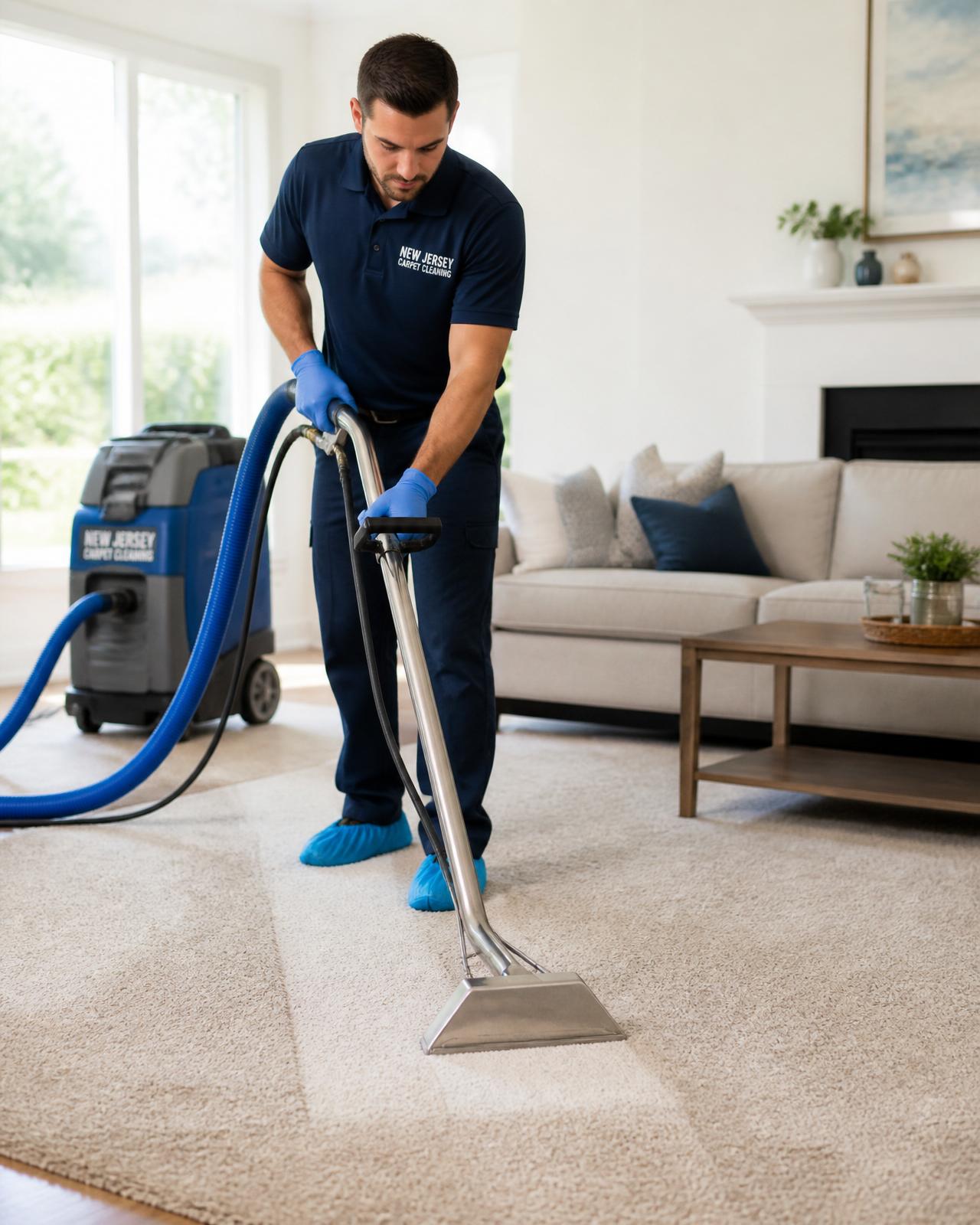
Textiles and padding are common odor reservoirs. Products that pair with hot-water extraction systems or enzymatic treatments can break down organic residues in fibers. The key is thorough extraction and fast drying. If padding was soaked or long-term mustiness persists, replacement may be more reliable than repeated treatments.
- Where to use: Wall-to-wall carpet, area rugs, and upholstered furniture with light mustiness.
- How they help: Lift and neutralize residues held in fibers.
- Tips: Pre-test in an inconspicuous area, use controlled solution amounts, and ensure strong airflow for drying.
Odor Absorbers and Neutralizers
Odor absorbers in the form of gels, blocks, or filter inserts can help reduce background mustiness while you address root causes. Neutralizing sprays formulated for musty smells can be effective finishing touches after cleaning events. These products are most successful as part of a broader plan that includes moisture control, not as stand-alone fixes.
- Where to use: Closets, storage rooms, and basements during and after cleaning cycles.
- How they help: Capture airborne odor molecules and provide short-term relief.
- Tips: Replace absorbers as directed and do not rely on fragrance alone to judge success.
HVAC Aids: Filters and Maintenance
Because odors travel on air currents, do not overlook your HVAC system. High-quality filters and regular maintenance prevent musty air from circulating. Condensate drains should be clear so moisture does not accumulate near the air handler. While filters are not deodorants, they improve overall air quality and support odor control by capturing particulates and preventing moisture-related issues.
- Where to use: Central systems and portable air cleaners.
- How they help: Reduce particulates and support balanced airflow.
- Tips: Replace filters on schedule and monitor for signs of dampness near HVAC components.
What to Avoid
- Masking only. Strong fragrance does not equal cleanliness and can hide a persistent moisture problem.
- Over-wetting textiles. Too much cleaning solution drives moisture deeper and prolongs odor.
- Ignoring humidity. Even the best product will disappoint if the room remains above 55 to 60 percent relative humidity.
- Skipping safety. Always ventilate during cleaning and wear appropriate protection, especially in confined spaces.
Room-by-Room Recommendations
Every home is different, but room-specific strategies help you match products to problems:
- Basements: Pair a dehumidifier with an odor absorber during drying cycles. Use concrete-safe cleaners for floors and inspect stored items for dampness.
- Bathrooms: Verify that the exhaust fan vents outdoors. Use surface cleaners with good rinse profiles and keep desiccant packs in cabinets during humid spells.
- Kitchen: Focus on under-sink cabinets and dishwasher surrounds. Clean and dry thoroughly after any leak and improve airflow behind appliances.
- Closets: Thin out storage, use breathable bins, and add a small desiccant. Lightly mist a neutralizer after laundering and drying clothing fully.
Integrating Products with Process
The best results come from combining the right product with the right step in the process. Clean first, dry second, and finish with a neutralizer or absorber if needed. Keep a simple log of humidity readings and product applications so you can see what works in your home’s specific conditions. In Bloomfield summers, steady dehumidification is the backbone that makes every other product more effective.
Signs You Need Additional Help
Persistent odor after multiple cleaning and drying cycles suggests hidden moisture or contaminated materials that require targeted removal. If you suspect the smell is tied to an HVAC issue, or if the area affected is large and difficult to access, outside help can accelerate results and prevent repeated product purchases without improvement. Midway through your efforts, it is sensible to compare your progress with professional mold odor removal approaches so you can decide whether to continue DIY or bring in support.
Frequently Asked Questions
Q: Which single product is best for mold odor? A: There is no universal winner. Success depends on pairing moisture control with targeted cleaning and, if needed, a neutralizer. Start with dehumidification, then add products that match your surfaces and odor sources.
Q: Do odor absorbers really work? A: Absorbers can reduce background mustiness, especially in enclosed spaces, but they are supplements, not cures. They work best after cleaning and alongside humidity control.
Q: Is it safe to use neutralizers on fabrics? A: Many are fabric-safe when used as directed. Always pre-test and ensure rapid drying to prevent new odors from forming.
Q: Can HVAC filters remove musty smells? A: Filters improve air quality and may reduce odor particles, but they do not fix moisture problems. Combine filter maintenance with humidity control for best results.
Q: How long should I keep dehumidifiers running? A: Run them until your hygrometer shows stable readings below 50 percent, and continue during humid months to prevent recurrence.
Make Your Bloomfield Home Smell Fresh Again
With the right combination of products and process, you can clear stubborn musty odors and keep them from returning. Start by controlling humidity, choose surface-appropriate cleaners, and use absorbers or neutralizers as finishing touches. If you want a quicker path to lasting freshness, connect with a local team that understands Bloomfield’s climate and building styles. For tailored guidance and efficient results, explore professional mold odor removal support and enjoy cleaner, more inviting air throughout your home.