
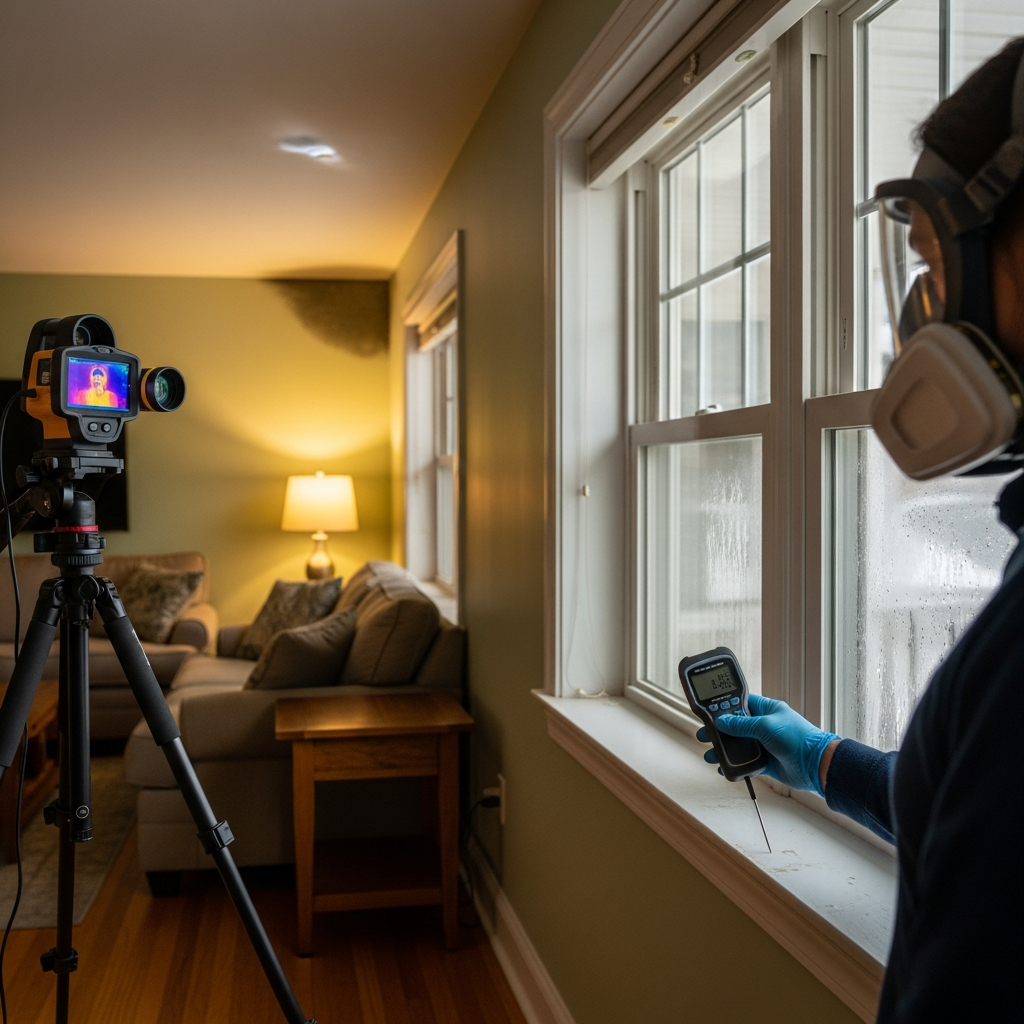
Troubleshooting Mold Inspection Issues in Bloomfield, New Jersey
Even with a careful plan, mold investigations can hit bumps: unexplained odors persist, lab results seem contradictory, or dampness returns after a storm. Troubleshooting is about asking sharper questions, validating assumptions, and closing gaps that basic steps may have missed. In Bloomfield—where older basements, variable weather, and diverse building styles collide—a systematic approach is essential. If you are just starting or reevaluating your strategy, consider consulting experienced professionals who specialize in mold inspection services and can help you navigate complex situations.
The goal of troubleshooting is not merely to find mold, but to explain it. That means tracing moisture pathways, verifying ventilation effectiveness, reviewing past repairs, and looking for hidden reservoirs that intermittently feed a problem. It also means separating signal from noise in lab reports and ensuring sampling plans answer specific questions.
When Odors Linger but Nothing Is Visible
Musty odors with no obvious source can be frustrating. Start by noting patterns: time of day, weather, HVAC cycles, and occupant activities. Odors that intensify after rain may indicate below-grade seepage or siding leaks. Smells that worsen when the air conditioner runs can point to dirty coils, wet insulation inside air handlers, or unsealed returns pulling air from damp areas. If odors peak in the morning, condensation on cool surfaces overnight may be to blame. Use these clues to focus diagnostics on likely pathways and equipment.
Interpreting Confusing Lab Results
Sampling without context can mislead. Elevated indoor spore counts compared to outdoors may indicate active sources, but wind, weather, and occupancy can skew results. Conversely, normal indoor readings do not rule out problems if moisture is documented in building materials. A sound troubleshooting method compares lab data to visual evidence, moisture meter readings, and pressure/airflow observations. If data conflict, refine the sampling plan, adjust timing, or expand the inspection zone to include overlooked spaces.
Recurring Dampness After Repairs
When leaks have been fixed but dampness returns, revisit assumptions. Was the exterior grade corrected? Do downspouts truly discharge far enough away? Are bath fans vented outside, not into an attic? Was hidden wet insulation removed, or did it remain to fuel ongoing odors? Troubleshooting examines the full moisture chain: source, transport, and reservoir. Breakdowns often occur when only the visible symptom is addressed.
Hidden Sources: Behind Walls and Under Floors
Mold thrives where air is still and materials remain wet. Plumbing chases, behind tub surrounds, and beneath tile can harbor growth for months. Where evidence supports it, minimally invasive inspection using borescopes or small access points can confirm hidden conditions. Before opening, establish containment practices to prevent cross-contamination and protect occupied areas.
HVAC Complications
Mechanical systems can distribute moisture or spores. If negative pressure draws air from basements or crawl spaces, humidity can spike in living areas. Dirty coils and wet drain pans can produce odors when systems cycle on. Troubleshooting includes verifying condensate drainage, inspecting insulation inside air handlers, sealing returns, and confirming filter specs and change intervals. If supply ducts run through unconditioned spaces, insulation and air sealing help prevent summertime condensation that wets duct exteriors and nearby materials.
Moisture That Moves with the Seasons
Seasonal swings in Bloomfield complicate diagnosis. Winter dryness can mask interior moisture problems that flare in summer humidity. Conversely, frozen ground in winter may push meltwater toward foundations in late winter and early spring. Troubleshooting sometimes requires a follow-up visit during a different season to capture the conditions under which problems intensify. Documenting patterns across weather events is invaluable.
False Negatives and False Positives
Sampling can yield false negatives if performed when sources are dormant or airflow is atypical. It can produce false positives if dust or unrelated debris skews a surface sample. The remedy is to align sampling with building behavior—run HVAC as usual, schedule during typical occupancy, and document weather conditions. Use clean technique and clear objectives: prove or disprove a hypothesis, not simply “test everything.”
Communication Breakdowns
Sometimes the issue is not technical but procedural. If occupants are not informed, they may alter their behavior, skewing data. If contractors are not aligned, repairs may address symptoms without tackling causes. Establish a communication plan with roles, timelines, and reporting expectations so everyone understands the troubleshooting steps and how success will be measured.
When to Re-Scope the Inspection
Persistent problems often indicate that original assumptions were incomplete. Re-scoping may add areas like roofing transitions, window flashing, or concealed shower walls. It may also expand HVAC review to include duct leakage testing or evaluate return air paths that inadvertently draw from damp spaces. The goal is always to connect symptoms to sources and recommend durable fixes.
Verification After Corrections
After repairs or remediation, verify outcomes. Re-measure moisture, revisit known hotspots, and, if sampling was used initially, consider targeted repeat sampling. Verification confirms that actions worked and provides documentation for future real estate transactions or warranty discussions. If results are mixed, continue troubleshooting with a focus on unresolved pathways.
Frequently Asked Questions
Q: Why do odors return after remediation? A: If moisture sources persist—like poor ventilation or drainage—odors can come back even after materials are cleaned or replaced. Address causes as well as symptoms.
Q: Can I troubleshoot without sampling? A: Yes. Moisture mapping, visual inspection, and airflow/pressure checks are foundational. Sampling is a decision tool used when it will clarify uncertainties.
Q: How long should I wait before re-testing? A: Give corrections time to stabilize humidity and materials. Depending on the issue, a few days to a few weeks may be appropriate before verification sampling.
Q: Do I need to leave the property during troubleshooting? A: Usually not. Most steps are non-invasive, and any limited access work can be contained with simple measures to keep living areas protected.
Q: What if multiple small issues are at play? A: That is common. Troubleshooting often reveals several moderate contributors—drainage, ventilation, and minor leaks—that together create a mold-friendly environment. Address them systematically.
Turn Problems into a Plan
If your inspection stalled or your results are inconclusive, take a methodical next step. Revisit assumptions, expand your data, and coordinate with professionals who can synthesize findings into a clear action sequence. For structured guidance and experienced support, partner with specialists who deliver thorough mold inspection services and resolve stubborn mold concerns in Bloomfield homes.