
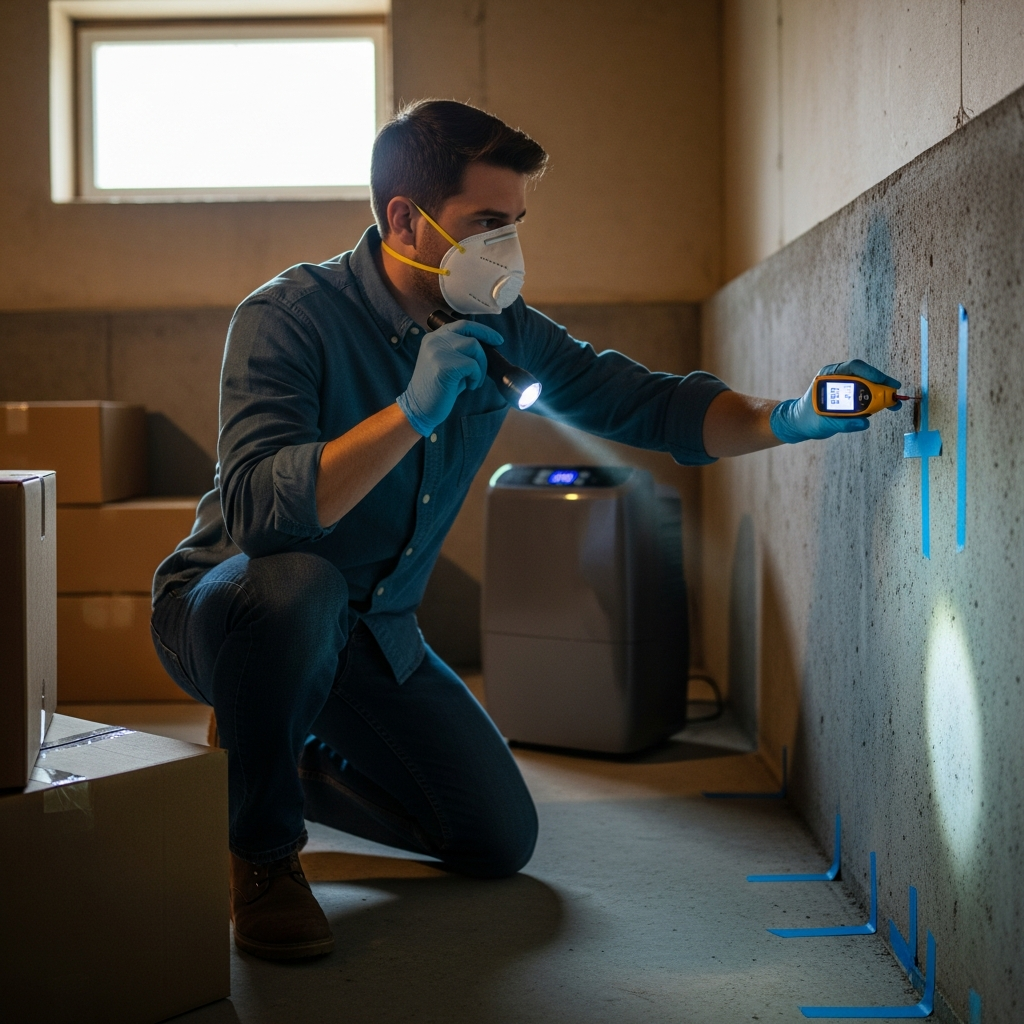
Bloomfield, New Jersey homeowners know that a musty, earthy smell can creep in after rainy weeks, melting snow, or a plumbing hiccup. That odor is more than an annoyance—it is a signal that moisture has lingered somewhere it shouldn’t. To get ahead of potential damage and protect indoor air quality, it helps to use a clear, methodical inspection approach. If you are getting started today, consider referencing a local-minded resource like this mold odor guide as you map out each room and surface. With a plan, a flashlight, and a careful nose, you can quickly narrow down likely sources and decide what to do next.
Odor inspection is part science and part sleuthing. You are tracking how moisture travels through the home, where air becomes stagnant, and which porous materials may have absorbed humidity. In Bloomfield, swings in humidity, older basements, and mixed construction styles mean that hidden pockets can exist behind walls, below floors, and within storage areas. A thorough approach protects your home and helps you act decisively if professional testing or remediation is warranted.
Why Mold Odor Demands Attention in Bloomfield Homes
New Jersey’s seasonal transitions—wet springs, humid summers, and snowy winters—create ideal conditions for mold growth when ventilation is weak or water intrudes. Odors often appear before you ever see visible growth. That is because tiny compounds called MVOCs (microbial volatile organic compounds) escape from damp materials and travel through the air. Detecting and documenting these odors guides your next steps, whether that is drying, cleaning, dehumidifying, or calling for professional help.
Remember: a persistent musty smell is never “normal.” Even if a finished basement looks clean, trapped humidity can still lodge in carpets, padding, and wood framing. The sooner you locate the source, the faster you can clear the air.
Pre-Inspection Setup
- Gather essentials: flashlight, hygrometer, notepad or phone for notes, painter’s tape for marking spots, disposable gloves, and N95 mask.
- Open internal doors and turn off strong fragrances that can mask odors.
- Note recent events: heavy rain, roof leaks, appliance malfunctions, or past flooding.
- Plan your route: move from the lowest level upward, then check exterior-to-interior transitions (garages, entryways, crawlspaces).
Room-by-Room Mold Odor Inspection Checklist
- Basement and Foundation Areas
- Smell test: Pause at the base of stairs, then move along exterior walls. Stronger odors near corners may indicate seepage.
- Look for stains: Efflorescence (white powdery mineral deposits) may reveal recurring moisture through masonry.
- Check mechanicals: Humidifiers, sump pumps, water heaters, and HVAC air handlers can contribute to damp air if they leak or drain poorly.
- Inspect storage: Cardboard boxes, fabric bins, and old rugs absorb odors and conceal dampness.
- Crawlspaces and Utility Voids
- Assess ventilation: Limited airflow traps humidity. Note any torn vapor barriers or exposed soil.
- Probe wood: Musty smells around joists or subflooring indicate prolonged moisture.
- Bathrooms and Laundry
- Run a steam test: After a hot shower, see how long condensation lingers. Slow dissipation suggests inadequate ventilation.
- Check caulk and grout: Darkened or deteriorated lines can harbor odor-producing growth.
- Inspect washer connections, laundry sinks, and dryer vents for leaks or poor exhaust.
- Kitchen and Plumbing Lines
- Open sink bases: Feel for dampness along the cabinet floor and around P-traps.
- Dishwasher edges and fridge drip pans can collect unnoticed moisture.
- Living Areas and Bedrooms
- Carpets and padding: Kneel and sniff close to the surface; compare different spots to find gradients in odor intensity.
- Windows and sills: Condensation history can leave musty frames and drywall edges.
- Closets on exterior walls: Stagnant air and temperature differences often create odor pockets.
- Attics and Roof Interfaces
- Check for roof leaks, inadequate insulation, and blocked soffit vents.
- Look for compressed insulation or darkened sheathing that suggests past moisture.
Moisture Measurement and Clues
Use a hygrometer to measure relative humidity (RH). Indoor RH above 60% increases the risk of odor. Compare rooms to identify hotspots. If you have access to a pinless moisture meter, scan baseboards, lower drywall, and transition areas around bathrooms and basements. Even without specialized tools, temperature differences, discoloration, warping, and bubbling paint point to damp substrates.
As you move, sketch a quick floor plan and mark where the smell is strongest. This visual is valuable if you decide to bring in professional testing later. In your notes, also record where ventilation feels weak—rooms without fans, closed-off closets, or long duct runs. If you need a refresher mid-inspection, you can glance at a concise mold odor checklist to keep your process consistent.
Common Bloomfield Sources Behind Musty Odors
- Foundation seepage after heavy rain or snowmelt
- Condensation on cold-water pipes or poorly insulated ducts
- Leaky wax rings on toilets and slow leaks under sinks
- Old carpet padding that never fully dried after a spill or flood
- Clogged or improperly terminated dryer vents
- Insufficient attic ventilation causing seasonal moisture
- HVAC drain pan blockages or unsealed return ducts pulling damp air
Prioritizing Your Findings
- Active water entry: Address immediately—turn off the source, contain water, and start drying.
- High humidity zones: Improve ventilation and add dehumidification.
- Porous materials with deep odors: Plan cleaning, targeted removal, or professional assessment.
- Recurring patterns: If odors return with weather changes, you may need a long-term building envelope fix.
Practical Next Steps After Inspection
- Increase airflow: Run exhaust fans to the exterior, crack doors, and use box fans to move air through musty rooms.
- Dry thoroughly: Dehumidifiers in basements and bathrooms reduce RH quickly. Empty reservoirs or connect to a drain.
- Triage materials: Washable fabrics can go to high-heat dryer cycles. Severely musty cardboard should be discarded.
- Surface cleaning: Mild detergent on non-porous surfaces can cut odors; avoid spreading moisture over large areas without thorough drying.
- Monitor for change: If smells persist or intensify, plan for targeted opening of walls or professional moisture mapping.
Documentation Tips
- Photograph stained areas, warped trim, or rust on fasteners.
- Record humidity readings by room and time of day.
- Track odor intensity using a simple 1–5 scale so you can compare over a week.
- Keep a weather log for correlation with odors.
When to Seek Professional Help
Call in experienced help if you find active water entry you cannot stop, odors persist despite drying, vulnerable occupants are present (infants, elderly, immune-compromised), or you uncover widespread damage to finishes or framing. Independent testing or a remediation professional can perform thermal imaging, air and surface sampling, and controlled demolition to reveal concealed sources. Your thorough notes will streamline their work and reduce guesswork.
FAQ
Q: Why do I smell mold but not see it? A: Odor compounds can escape from hidden cavities, beneath flooring, or behind baseboards long before discoloration appears on the surface.
Q: Is a dehumidifier enough to eliminate the smell? A: It often helps, but if a leak or saturated material remains, odors may return. Address the source and confirm complete drying.
Q: Should I paint over musty drywall? A: No. Encapsulation without drying and cleaning can trap moisture and worsen odors later.
Q: How long should I run ventilation after a shower or laundry cycle? A: At least 20–30 minutes to fully exhaust humid air outdoors.
Q: Can carpets be saved after musty odors appear? A: Sometimes. If padding or subfloor is damp, removal and targeted drying may be required.
Q: Do air purifiers remove mold odors? A: HEPA units capture particulates but do not fix moisture sources; use them as a supplement to drying and cleaning.
Q: When should I consider professional testing? A: If odors persist after your checklist actions, if you suspect hidden cavities are wet, or if health symptoms coincide with time spent in specific rooms.
Ready to Breathe Easier in Bloomfield? Take the Next Step
If your walkthrough points to stubborn trouble spots, do not wait for odors to worsen. Document what you found, lower humidity today, and plan targeted repairs where needed. For guidance that turns inspection notes into action, start with a focused mold odor plan and keep momentum until your home smells fresh again.