Why Hiring Certified Mold Inspection Services in Bloomfield, New Jersey Makes a Difference
When moisture questions arise in your Bloomfield, New Jersey property, the quality of your inspection determines the quality of every decision that follows. Hiring certified professionals—those trained to connect building science with practical diagnostics—helps ensure accurate findings, clear reports, and recommendations that prevent recurrence. Certifications reflect structured education, adherence to industry standards, and an understanding of how climate, construction, and occupant behavior influence mold risk. By choosing experienced, certified mold inspection services, you set the stage for reliable answers and efficient solutions.
Bloomfield’s mix of historic homes, post-war buildings, and newer construction presents different vulnerabilities: older basements can wick groundwater; tight building envelopes can trap humidity; and renovations can leave exhaust fans misrouted or insulation imbalanced. Certified inspectors recognize these patterns, know where to look, and use instruments and protocols to confirm what they suspect—turning hunches into evidence you can trust.
What “Certified” Really Means
Certification is more than a badge. It signifies training in moisture dynamics, inspection methods, sampling protocols, and reporting standards. Certified inspectors are versed in safety considerations, including when containment is appropriate and how to avoid cross-contamination. They also recognize the limits of sampling and the importance of correlating laboratory data with field observations. This measured approach protects you from both overreaction and complacency, and it produces documentation that stands up to scrutiny in real estate, insurance, or property management contexts.
Beyond coursework, experienced inspectors bring pattern recognition. They have seen how minor roof details cause chronic ceiling stains, how misaligned downspouts saturate basements, and how attics with blocked soffits lead to winter condensation. This practical knowledge speeds diagnosis and focuses recommendations on proven solutions.
How Certified Inspections Are Structured
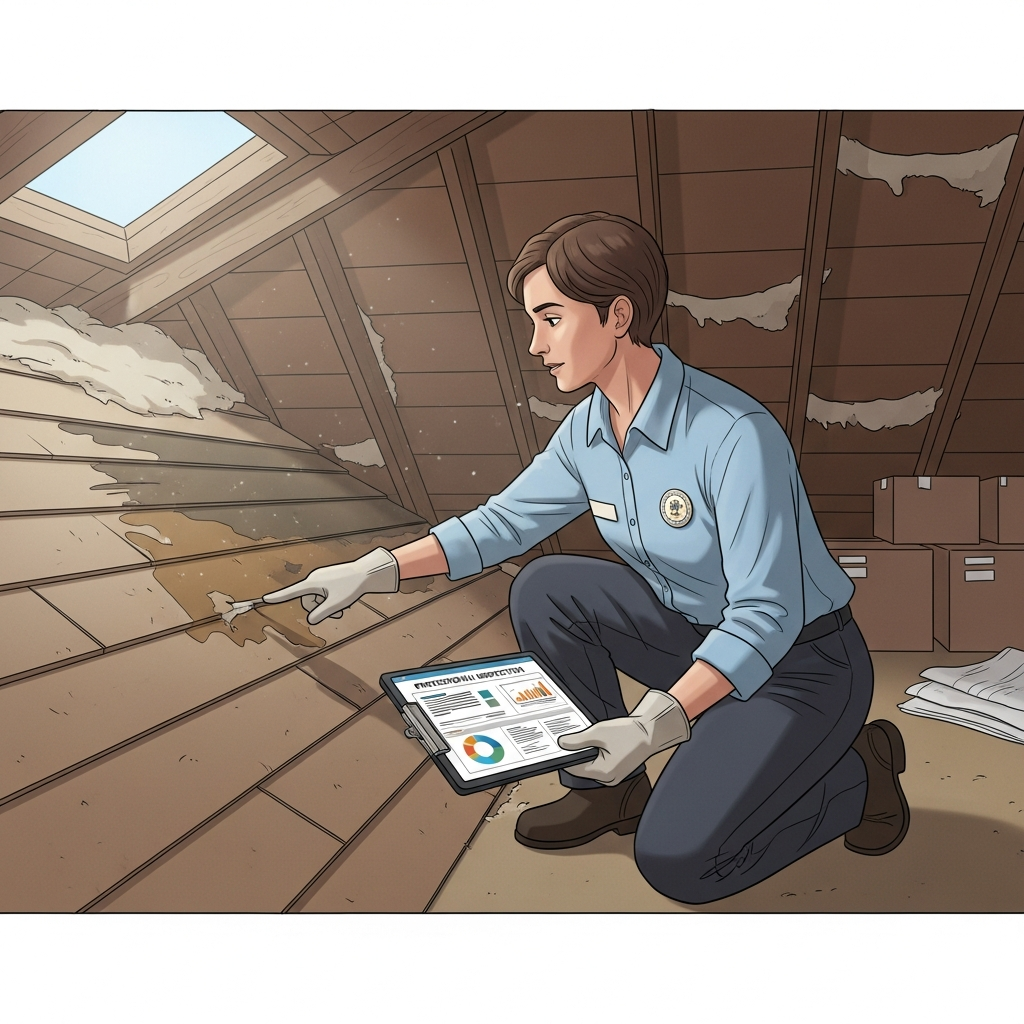
A certified inspection begins with scoping: understanding your concerns, the building’s history, and current symptoms. The exterior review assesses drainage, grading, roof details, siding penetrations, and window/door conditions. Indoors, the inspector prioritizes high-risk zones like basements, crawl spaces, bathrooms, kitchens, and attics, while also scanning the broader interior for musty odors, staining, paint failure, warping, and condensation.
Instrumentation follows. Moisture meters quantify moisture content in building materials; hygrometers log temperature and relative humidity; and thermal imaging highlights anomalies that suggest hidden dampness or insulation issues. If sampling is warranted, certified professionals use standardized methods and calibrated devices, track environmental variables during sampling, and maintain chain-of-custody for lab analysis. Finally, a thorough report ties findings to sources and provides a stepwise plan—from urgent corrections to preventive maintenance.
Why Bloomfield Properties Benefit from Certified Expertise
Local climate and housing styles shape moisture behavior. In Bloomfield, humid summers and cold winters require balanced ventilation and insulation. Many homes feature finished basements and accessible attics, two areas where moisture dynamics are most complex. Certified inspectors consider the whole system: air sealing between living spaces and the attic, bathroom exhaust termination points, sump and dehumidifier performance, and exterior water management. This systems perspective prevents piecemeal fixes that solve one problem while creating another.
For example, adding insulation without ensuring proper ventilation can increase winter condensation risks. Similarly, upgrading windows without addressing indoor humidity may worsen interior condensation. A certified inspector sequences recommendations so improvements complement one another rather than conflict.
Evaluating Inspectors: Questions to Ask
Before hiring, ask about training, experience with Bloomfield housing types, and typical reporting timelines. Request a sample report to evaluate clarity: Are photos labeled? Are readings explained? Do recommendations appear prioritized and actionable? Ask how the inspector decides when to test, which methods they use, and how they interpret results in context. Inquire about safety protocols for inspecting areas with visible mold and how they prevent cross-contamination during the visit.
Communication counts. An inspector who explains assumptions, limitations, and next steps empowers you to make informed decisions. Seek professionals who welcome questions and tailor their approach to your goals—selling, renovating, verifying a repair, or establishing a preventive maintenance plan.
What a High-Quality Report Looks Like
Expect specificity. A strong report identifies location, extent, and likely source for each concern. It documents moisture and humidity measurements, thermal images where relevant, and photos of conditions. Recommendations should be grouped by priority—urgent leak or drainage fixes first, then ventilation and building envelope improvements, followed by monitoring and maintenance steps. This format lets you address immediate risks while planning for medium- and long-term resilience.
Strong reports also separate symptoms from causes. Instead of simply noting “mold present,” they explain the moisture mechanism—such as condensate drain failure, missing air sealing at attic bypasses, or negative grading near the foundation—so remedies target the root issue.
When and Why Certified Inspectors Recommend Testing
Testing is recommended when it answers a practical question: Is this discoloration mold? Are indoor spore types and concentrations typical compared to outdoors? Has a remediation project returned conditions to baseline? Certified inspectors avoid reflexive sampling and instead use testing to confirm or refine the moisture narrative established during inspection. They also document sampling conditions—HVAC status, weather, recent cleaning—so results can be interpreted accurately later.
In Bloomfield’s climate, testing often supplements inspections in basements with persistent odors, attics with visible staining but uncertain activity, and living spaces where occupants report symptoms despite clean visual findings. The aim is to inform action, not to accumulate numbers without context.
Preventive Guidance You Can Use Immediately
While some fixes require contractors, many preventive habits start today. Use bath and kitchen exhaust fans consistently, especially during humid months. Maintain relative humidity near 40–50 percent. After heavy rain or snowmelt, inspect known trouble spots—basement corners, around chimney flashing, and under-sink cabinets—for early signs. Keep storage off basement floors and a few inches from walls to allow airflow and visibility. Periodically check that sump pumps, dehumidifiers, and condensate lines are working as intended.
In attics, confirm that soffit vents are open and that bath fans truly exhaust outdoors. Air sealing between living spaces and the attic helps prevent warm, moist air from reaching cold surfaces where it can condense.
Frequently Asked Questions about Hiring Certified Inspectors
Q: How is a certified inspection different from a general home inspection? A: A certified mold inspection focuses on moisture dynamics, potential mold conditions, targeted testing where appropriate, and actionable remediation and prevention steps. It is more specialized and instrument-driven in this domain.
Q: Do certified inspectors always recommend testing? A: No. Testing is used when it clarifies ambiguous findings, documents baseline conditions, or verifies post-repair success. Many moisture issues can be addressed through inspection findings alone.
Q: Will the report help me coordinate contractors? A: Yes. Clear documentation and prioritized recommendations make it easier to brief roofers, plumbers, HVAC technicians, and general contractors, aligning their work to resolve root moisture causes.
Q: Can I stay in my home during the inspection? A: Typically, yes. Inspectors may request stable conditions for certain measurements or sampling, but homeowners usually remain on-site and can discuss observations in real time.
Q: What if my property has a history of leaks? A: History is useful context. A certified inspector distinguishes between old staining and active problems, helping you focus on what matters now.
From Uncertainty to Confidence in Bloomfield
Certified mold inspections translate complex building dynamics into a roadmap you can follow. You gain clarity on what is happening, why it is happening, and how to stop it from happening again. This insight protects property value, supports comfort, and streamlines collaboration with contractors and stakeholders.
If you are ready to move forward with confidence, schedule certified mold inspection services and turn careful diagnostics into practical action. With expert guidance and a prioritized plan, you can safeguard your Bloomfield home or small business against moisture-driven problems, season after season.