
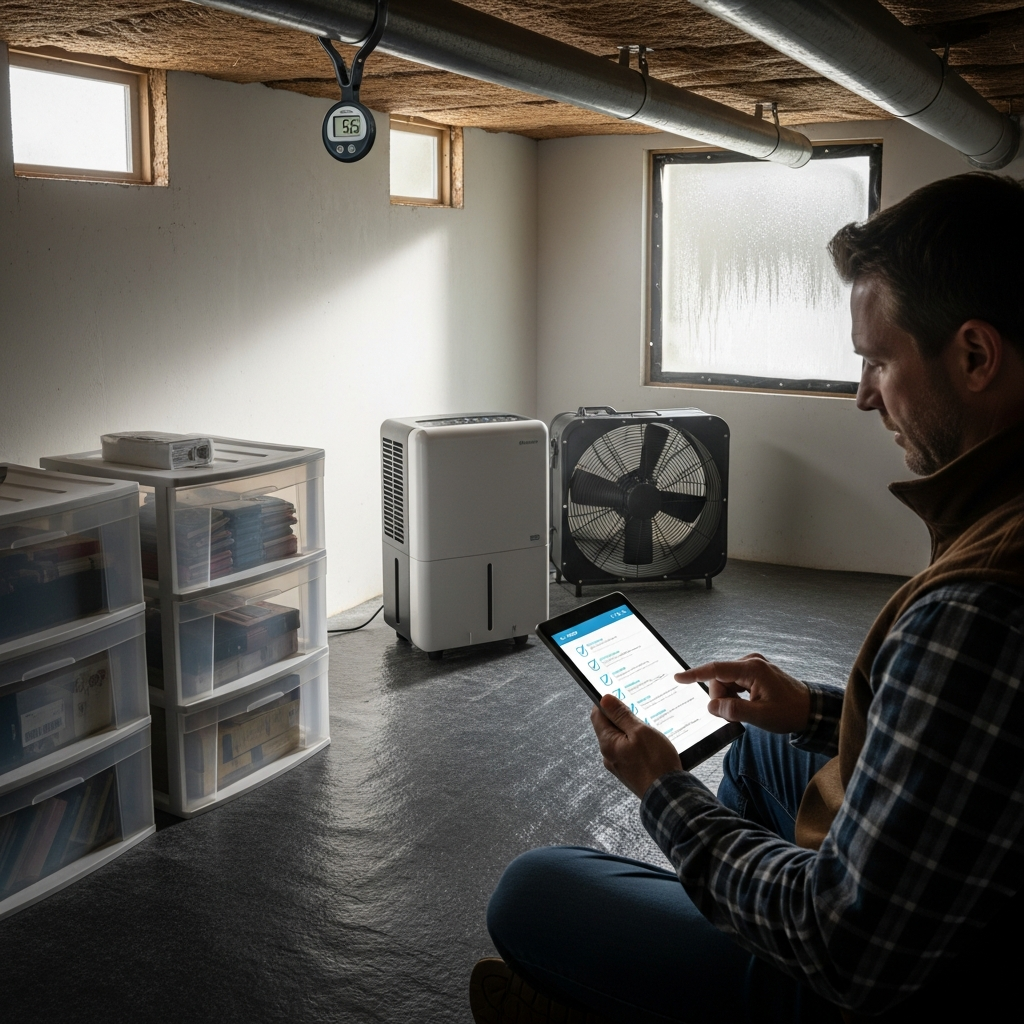
From spring thaws to humid summer stretches, Bloomfield, New Jersey homeowners face a recurring challenge: controlling moisture before it becomes a musty, moldy odor. This comprehensive guide brings together prevention, inspection, troubleshooting, and remediation basics so you can act decisively at every stage. As you read, feel free to mark key steps or save a practical mold odor guide to revisit when questions arise.
Mold odors are the early-warning system for your home. They often appear before visible staining, broadcasting that porous materials or hidden cavities are damp. With a structured approach—measure, inspect, dry, clean, and verify—you can protect air quality, materials, and peace of mind.
Understanding Mold Odor
Musty smells come from microbial volatile organic compounds (MVOCs) released when microorganisms metabolize in damp environments. Even small humidity spikes can amplify these odors, especially in spaces with poor ventilation, heavy textiles, or stored paper goods. Detecting and documenting these odors guides the rest of your work.
Prevention: The Foundation of a Fresh Home
- Moisture Control: Keep indoor RH near 40–50% using HVAC and dehumidifiers.
- Ventilation: Confirm bathroom and kitchen exhausts vent outdoors.
- Storage Strategy: Use plastic bins in basements; elevate belongings off floors.
- Exterior Management: Maintain gutters, downspouts, and grading to direct water away.
- Routine Cleaning: Vacuum carpets, wash textiles, and clear dust that can hold humidity.
Inspection: Finding the Source
- Map odor strength by room and floor.
- Check plumbing under sinks, behind toilets, and around the water heater.
- Look for condensation on windows, pipes, and ducts.
- Probe attics and crawlspaces for ventilation imbalances or leaks.
- Document humidity and visual clues with photos and notes.
Troubleshooting: Narrowing the Causes
- Correlate odors with weather or appliance use.
- Test airflow at registers and exhaust fans.
- Temporarily relocate porous items to see if smells diminish.
- Use a moisture meter if available to locate damp substrates.
Drying: The Turning Point
After you find likely sources, begin aggressive drying. Target RH at 40–50%. Move air through affected rooms, open closets, and run exhausts. If carpets or padding are wet, extract and evaluate. Insulate sweating pipes and address window condensation quickly to avoid recurrent odors.
Cleaning and Material Decisions
- Non-Porous Surfaces
- Use mild detergent and water; wipe and dry immediately.
- Avoid over-wetting large areas without active drying.
- Porous Items
- Launder washable fabrics on hot cycles and dry thoroughly.
- Discard saturated cardboard or compromised ceiling tiles and padding.
- Selective Removal
- If readings suggest wet cavities, open small sections carefully, bag debris, and ventilate the area.
Verification and Long-Term Prevention
- Recheck humidity and sniff-test over 48–72 hours.
- Seal exterior penetrations and extend downspouts.
- Schedule semiannual audits of fans, vents, and storage practices.
Bloomfield-Focused Tips
- Basements: Watch for post-storm seepage lines or efflorescence.
- Attics: Keep soffits clear and balance intake with exhaust.
- Older Homes: Expect hidden voids; patient, methodical checks pay off.
Family Health and Safety
- Use gloves and an N95 when handling musty materials.
- Isolate work areas with closed doors and increased ventilation.
- Avoid masking odors with strong chemicals; fix moisture and materials.
When to Call a Professional
Seek help when you face ongoing leaks, persistent odors despite drying and cleaning, or visible damage to structural components. Professionals offer moisture mapping, thermal imaging, and containment that reduce risk and speed resolution. If you are on the fence, organize your notes and consider a targeted assessment to confirm next steps. While reviewing your options, consult a structured mold odor checklist to make sure you have covered the fundamentals.
FAQ
Q: Can I confirm mold with smell alone? A: Odor is a strong indicator of moisture problems but not a measurement of extent. Use it to guide action, not as a sole diagnostic.
Q: What humidity should I maintain? A: Typically 40–50% RH indoors, adjusted slightly for comfort and season.
Q: Will air purifiers remove odor? A: HEPA units capture particles but do not correct moisture or contaminated materials; use them as a supplement.
Q: Is repainting a solution? A: Only after confirmed dryness and cleaning. Otherwise, odors may return.
Q: Can carpets be salvaged? A: If dried quickly and padding is unaffected, often yes; if saturation or persistent odor remains, consider replacement of padding or more.
Q: How long should I ventilate after showers? A: Run exhaust fans for 20–30 minutes and keep doors slightly open to reduce humidity spikes.
Q: Are crawlspaces a common source? A: Yes. Poor vapor barriers and limited ventilation can feed persistent odors.
Put This Guide to Work Today
Fresh indoor air is the result of decisive habits: measure humidity, ventilate, dry quickly, and verify results. Whether you are addressing a single room or your entire home, take small, consistent steps and document your progress. If you want a straightforward starting point you can implement immediately, lean on a proven mold odor plan and move confidently toward a cleaner, fresher home.