Mold Remediation Near Me in Bloomfield, New Jersey
If you have discovered a musty odor in your basement, noticed discoloration on drywall, or experienced recent leaks after a storm, you may be searching for trustworthy mold remediation near you in Bloomfield, New Jersey. Mold thrives anywhere moisture lingers, and in a township with historic homes, humid summers, and stormy seasons, mold can establish itself quickly. Taking action now protects your family’s health and your property’s value. In this guide, you will learn what “near me” really means in practical terms, how professional services work, how to evaluate immediate next steps, and how to prevent mold from returning. If you are just beginning your research, one of the most helpful starting points is to review what comprehensive mold remediation truly involves so you can recognize quality when you see it.
Local context matters. Bloomfield’s mix of older construction, finished basements, and tree-lined streets means gutters can clog, foundations can wick moisture, and attics can trap humid air. This environment often leads to subtle moisture problems that go unnoticed until a musty smell or staining appears. The sooner you respond, the easier it is to limit damage and reduce disruption to your daily life.
Finding competent help near you should never be guesswork. The right approach includes a thorough inspection, a moisture diagnosis, safe containment methods, HEPA air filtration, careful removal of contaminated materials, targeted cleaning, and a clear plan to prevent future growth. Below you will find everything you need to navigate options in Bloomfield, from warning signs to look for to the step-by-step remediation process and aftercare strategies.
Why Mold Is a Common Concern in Bloomfield
Bloomfield experiences wide seasonal swings. Warm, humid summers elevate indoor relative humidity, while winter temperature differences between indoor heated spaces and cold exterior surfaces cause condensation. Older homes may have limited ventilation, aging windows, and small leaks around roof penetrations. Finished basements, common across northern New Jersey, are particularly vulnerable to seepage from hydrostatic pressure after heavy rain. Even minor moisture that lingers for 24–48 hours can allow mold spores to colonize drywall paper, carpet backing, insulation, or the underside of subflooring.
Compounding the concern, many property owners only discover mold after a hidden leak has persisted for weeks. A slow drip inside a wall, a clogged condensate line on an air conditioner, or improper bath fan venting can all feed mold growth without obvious puddling. By the time discoloration is visible, the affected area might be larger than it appears. That is why a methodical inspection and moisture mapping are indispensable.
Early Signs You May Need Mold Remediation Near You
It is helpful to recognize the early signals that justify a professional evaluation. While not every dark spot is mold, these indicators often point to a moisture problem requiring attention:
- Persistent musty or earthy odor, especially in basements, closets, or crawlspaces
- Staining or darkening on drywall seams, ceiling corners, or around window frames
- Warped baseboards, peeling paint, or bubbling wallpaper
- Allergy-like symptoms that improve when away from the building
- Visible fuzzy or velvety growth on porous materials
- Condensation on cold-water pipes or single-pane windows
- Recent history of water intrusion, such as roof leaks, dishwasher leaks, or sump pump failures
Many homeowners attempt to wipe away what they see, but mold returns if the moisture source remains. Furthermore, scrubbing without containment can aerosolize spores, spreading them to other rooms. For that reason, it is wise to pause DIY cleaning on anything larger than a very small patch and pursue a professional opinion.
What “Near Me” Should Mean in Bloomfield
When you search for help “near me,” you are seeking fast response and genuine neighborhood familiarity. Local teams know the common trouble spots in Bloomfield’s housing stock, including stone foundations, finished basements with paneling, attic knee walls, and older roof flashing. They also understand local weather patterns—like how a nor’easter can saturate masonry or drive rain under shingles—and can tailor containment and drying plans accordingly. Proximity matters not only for speed but also for nuanced decision-making that respects your home’s age, layout, and materials.
True local help is also about communication. Clear scheduling, prompt arrival, and regular updates make a stressful situation more manageable. You want a team that explains the findings in plain language, answers questions, coordinates with other trades if needed, and documents the entire process from start to finish.
The Mold Remediation Process Step by Step
Professional remediation follows a structured, safety-first approach. While details vary by property, the core steps are consistent and designed to correct both contamination and moisture:
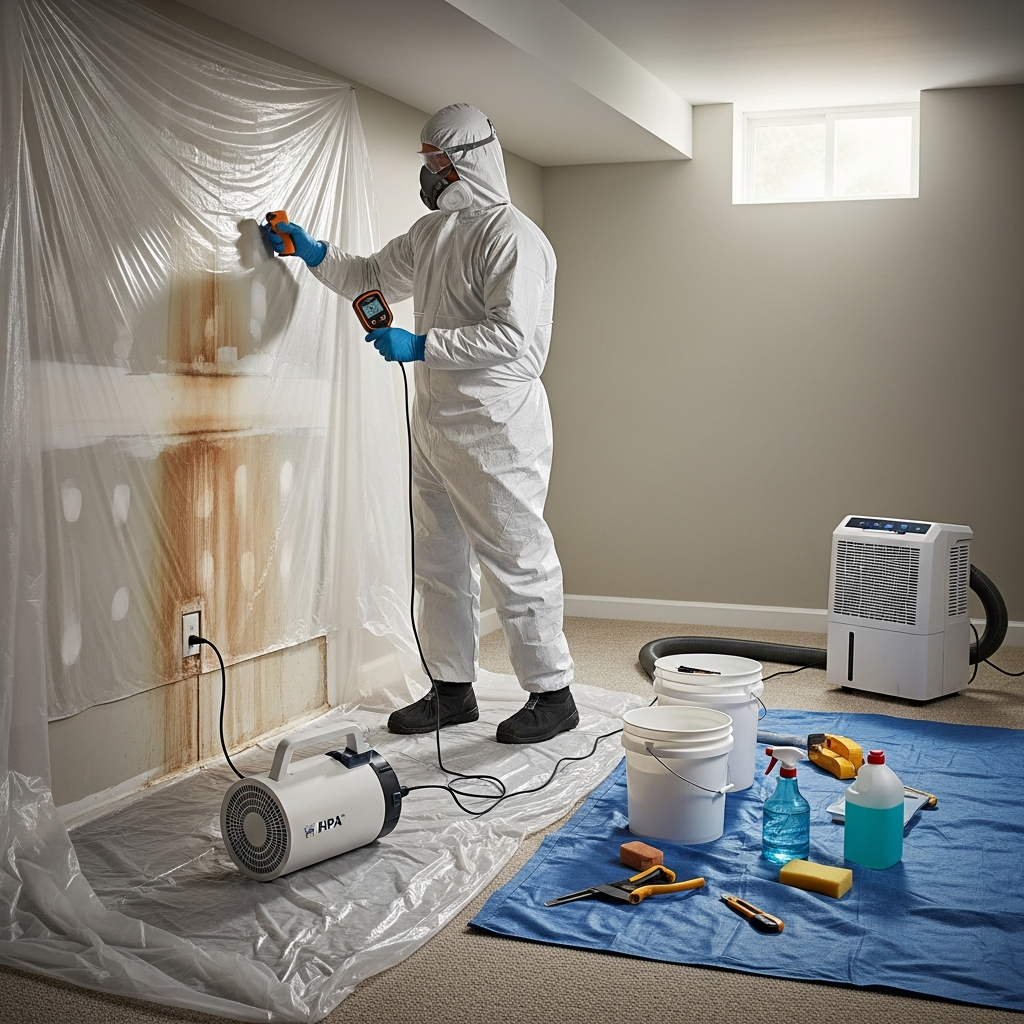
- Assessment and moisture diagnosis: A visual inspection, moisture readings, and sometimes thermal imaging identify the full scope and the source of dampness.
- Containment: Plastic barriers with zipper doors isolate affected rooms. Negative air machines draw air through HEPA filters, preventing cross-contamination.
- Personal protective equipment: Technicians wear appropriate PPE to protect themselves and keep contaminants contained.
- Removal of porous materials: Severely affected drywall, insulation, and carpeting are carefully removed and bagged.
- Mechanical cleaning: Surfaces are HEPA-vacuumed to capture fine particulates and settled spores.
- Detail cleaning: Non-porous materials and framing components are thoroughly cleaned to remove residual mold.
- Drying and dehumidification: Air movers and dehumidifiers control humidity and dry structural components to target moisture levels.
- Source correction: Leaks are repaired, ventilation is adjusted, or drainage is improved to prevent recurrence.
- Verification: The area is checked to ensure it is clean, dry, and ready for restoration work such as repainting or reinstalling finishes.
In many cases, the remediation team collaborates with plumbers, roofers, or HVAC specialists to address root causes. Precision matters as much as speed; cutting corners can lead to a rebound weeks later.
Professional vs. DIY: Making the Right Call
For tiny, isolated spots on non-porous surfaces, cautious DIY cleaning may be reasonable. However, when multiple rooms are involved, when the material is porous, or when you suspect hidden mold behind walls or under flooring, professional protocols are the safer choice. Proper containment and HEPA filtration alone are worth it because they prevent invisible spread into clean areas. If you are vetting options, look for a team that explains not only what they will remove, but how they will keep the rest of your home protected during the work. Midway through your research, it can help to compare local services to the standards described in reliable overviews of mold remediation so you know what comprehensive care looks like in practice.
Another reason to choose professionals is nuanced moisture control. Mold is a symptom; moisture is the cause. From negative pressure settings to choosing the right-sized dehumidifier, skilled technicians consider the building as a system and ensure all pieces work together to keep humidity in check.
Choosing a Local Mold Remediation Provider
When evaluating companies near Bloomfield, prioritize clear communication, documented procedures, and strong references. Ask for a written scope that details containment boundaries, removal plans, cleaning methods, and criteria for completion. Confirm that technicians are trained in current industry standards, use HEPA-rated equipment, and understand how to coordinate repairs that may be necessary to stop moisture at the source.
Good documentation matters as much as the hands-on work. Photo logs, moisture readings, and a post-remediation report help you maintain records for future renovations, tenant communication, or potential real estate transactions. The best local teams happily provide this level of transparency because it reflects their commitment to thoroughness.
Prevention Tips for Bloomfield Homes
Once remediation is complete, long-term prevention keeps your home healthy. These tips are tailored to the realities of Bloomfield’s climate and housing stock:
- Keep indoor relative humidity near 40–50% during warm months with a properly sized dehumidifier.
- Use exhaust fans while cooking and showering; verify bath fans vent outdoors, not into the attic.
- Clean gutters and extend downspouts to discharge away from the foundation.
- Seal foundation cracks and consider a sump system if groundwater pressure is an issue.
- Insulate cold-water pipes to reduce condensation, especially in basements.
- Service HVAC systems regularly and replace filters on schedule.
- Address small leaks immediately; even slow drips can feed hidden growth.
Seasonal habits help as well. In late spring, check attic ventilation before peak heat. After major storms, inspect basements and window wells. In winter, monitor interior humidity as windows remain closed and heaters run more frequently.
What to Expect During and After the Work
Remediation can be disruptive, but a well-run project minimizes stress. Expect clear start and stop times, daily progress updates, and a clean work area outside containment. If you need to remain in the home, technicians will explain airflow controls and keep paths clear. When the work is complete, the area should look orderly and dust-free, with moisture readings confirming that materials are dry to target levels. If finish work is required, such as replacing drywall or repainting, you will receive guidance on timing and best practices.
A crucial part of aftercare is monitoring humidity and re-checking known risk areas. Keep a simple home maintenance checklist and set reminders to verify that downspouts are attached, window caulk is intact, and condensation is not forming on cold surfaces. The habits you develop post-remediation protect the investment you made and keep your indoor environment healthy.
Frequently Asked Questions
Q: How do I know if I need professional remediation instead of just cleaning a spot myself? A: Consider size, material, and odor. If growth covers more than a small area, involves porous materials, or is accompanied by a persistent musty smell, get a professional evaluation.
Q: Will opening windows help clear mold? A: Ventilation can reduce humidity temporarily, but it does not remove established growth and may introduce outdoor moisture during humid weather. Source correction and proper drying are still necessary.
Q: Can mold grow even if I do not see visible spots? A: Yes. Hidden growth behind drywall or under flooring is common after slow leaks. Musty odor and elevated moisture readings often reveal problems before they become visible.
Q: What is the difference between mold remediation and mold removal? A: “Removal” focuses on taking away visible growth, while “remediation” addresses the root cause, containment, thorough cleaning, drying, and prevention of recurrence.
Q: How long does remediation take? A: Timelines vary by scope, but many projects span several days from containment through dry-down and cleaning, with additional time for any necessary repairs.
Q: Do I need to leave my home during remediation? A: Often you can remain in the home because containment and negative air protect unaffected areas. Severe cases or sensitive individuals may benefit from temporary relocation.
Q: Will remediation solve my moisture problem permanently? A: It resolves current contamination, but durability depends on addressing the source—such as repairing leaks, improving drainage, or adjusting ventilation.
Q: Is mold inevitable in older homes? A: No. Older homes can stay mold-free with proactive moisture management, regular maintenance, and quick response to leaks or seepage.
Ready to Restore a Healthy Home Environment?
If you suspect mold in your Bloomfield home, acting quickly makes all the difference. Start with a thorough assessment, insist on proper containment and HEPA filtration, and ensure the root moisture source is corrected. You do not have to tackle this alone; turn to experienced local professionals who understand the unique needs of Essex County homes and who document every step so you can move forward with confidence. For a clear picture of the standards and methods you should expect, explore trusted information about mold remediation, then reach out for prompt help and a tailored plan for your property.