
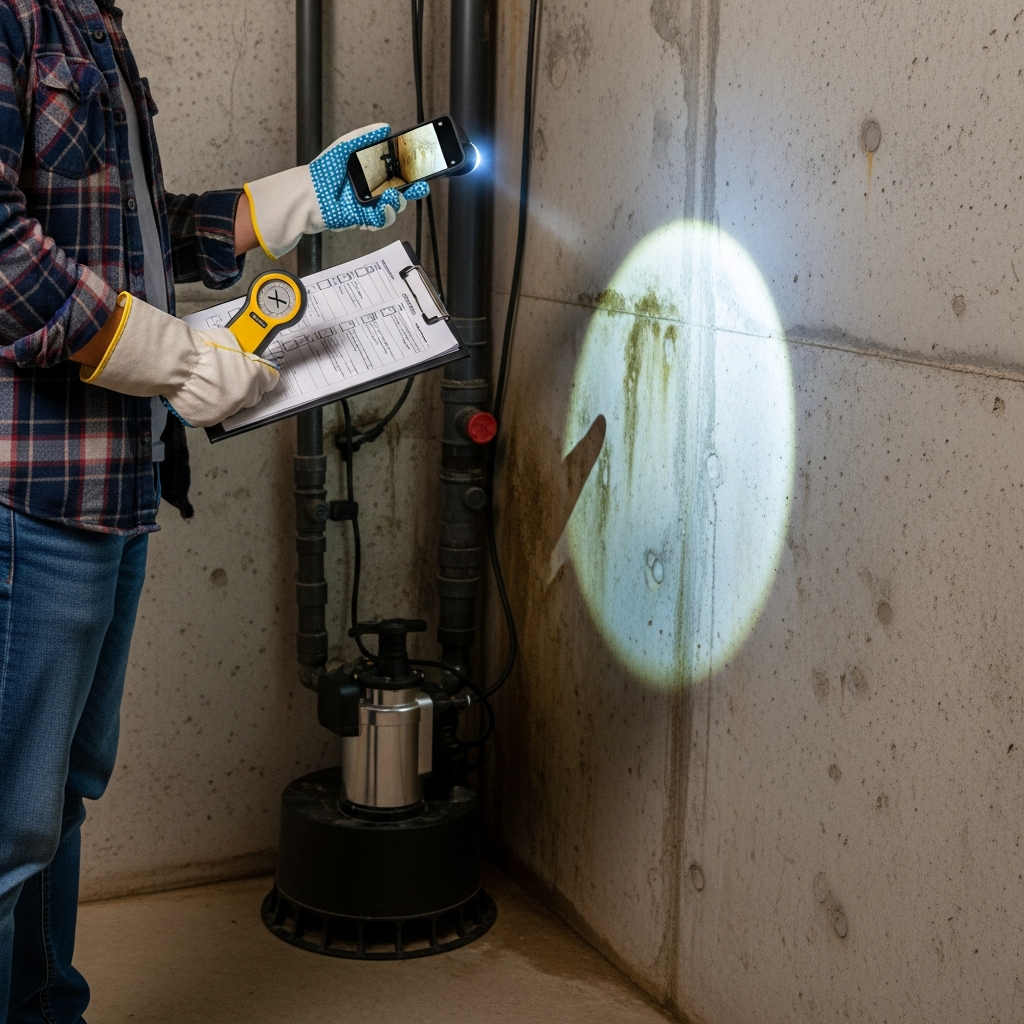
Introduction: Why a Mold Inspection Checklist Matters in Bloomfield, New Jersey
Bloomfield homeowners know that seasonal humidity, snowmelt, and Nor’easter rains can all challenge a home’s ability to stay dry. A well-organized checklist helps you prepare for a professional visit, document issues thoroughly, and maintain your home after the inspection. Whether you live in a classic colonial, a brick multifamily building, or a recently built townhouse, a methodical approach to moisture control and assessment will save time and reduce stress. If you are beginning this process, scheduling a professional mold inspection gives you a clear starting point and a structured plan to follow.
This homeowner-focused checklist is tailored to Bloomfield, New Jersey. Use it to get ready for an on-site visit and to maintain a healthy indoor environment long after the report is delivered.
Pre-Inspection Preparation
- Collect building history: Note past roof leaks, plumbing incidents, basement seepage, or window condensation. Include approximate dates and any repairs made.
- Identify odor locations: Write down rooms or closets where you notice musty smells, especially after rain, showers, or laundry days.
- Clear access: Move stored items away from basement walls, under sinks, and around HVAC units to allow safe, efficient inspection.
- Replace air filters: A fresh HVAC filter provides a clean baseline and avoids drawing dust through the system during the visit.
- Check humidity: If possible, use a hygrometer to record readings in suspect rooms; note the time and weather conditions.
- Document with photos: Snap clear pictures of stains, bubbling paint, warped trim, or recurring condensation so nothing is overlooked.
- List sensitive areas: If infants, elderly occupants, or immunocompromised individuals live in the home, note this for the inspector’s planning.
Exterior Checklist
- Roof and flashing: Look for missing shingles, cracked flashing, or ponding at dormers and valleys.
- Gutters and downspouts: Ensure they are clean and discharge water at least several feet from the foundation with proper extensions.
- Grading: Soil should slope away from the house. Identify low spots or negative grade that allow water to pool near the foundation.
- Siding and trim: Check for gaps at joints, deteriorated caulk, or wood rot that could admit wind-driven rain.
- Windows and doors: Look for failing seals, soft sills, or stains beneath the corners that indicate leakage.
- Foundation: Note any cracks, efflorescence, or damp patches visible from the exterior.
Interior Checklist: Room-by-Room
- Basement: Inspect perimeter walls for stains or white crystalline deposits, check for standing water after storms, verify sump pump function, and look for rust on appliances indicating high humidity.
- Crawlspace: If present, note signs of condensation on ductwork, wet insulation, or a missing vapor barrier. Standing water or soil that feels wet to the touch warrants immediate attention.
- Attic: Check for darkened sheathing, frost in winter, insufficient ventilation, bathroom fan terminations, and displaced insulation around soffits.
- Bathrooms: Examine tile grout, tub caulking, and the base of toilets. Run the exhaust fan and confirm it vents outdoors rather than into the attic.
- Kitchen: Look under sinks for drips, along dishwasher edges for staining, and behind the refrigerator for ice-maker leaks.
- Laundry: Inspect hoses for bulges or cracks, ensure the dryer vent exhausts outdoors, and look for lint buildup at the exterior termination.
- Living spaces and bedrooms: Look for window condensation, stains beneath sills, and musty closet odors. Note any furniture placed flush against exterior walls that may trap humid air.
Mechanical Systems
- HVAC: Replace or confirm clean filters; look for rust in the air handler, condensate drain clogs, and insulation gaps on refrigerant lines.
- Dehumidifiers: Verify proper sizing for the space and check that condensate drains correctly or is emptied regularly.
- Exhaust systems: Confirm kitchen and bath fans vent outside and run long enough after use to remove moisture.
Moisture and Mold Red Flags
- Persistent musty odor: Often strongest in basements, closets, or after periods of rain.
- Condensation: Recurring window sweat, chilled supply ducts dripping in summer, or damp cold corners in winter.
- Surface staining: Yellow or brown tide lines on drywall, peeling paint, or fuzzy growth on baseboards.
- Warped or cupped flooring: Especially near kitchens, bathrooms, or exterior doors.
What to Expect During the Professional Visit
A qualified inspector will interview you about building history and symptoms, perform a visual assessment inside and out, and use moisture meters or thermal imaging to locate damp materials. Sampling—air, surface, or wall-cavity—may be used when it helps answer specific questions. You should expect a clear, photo-rich report with prioritized recommendations. Many Bloomfield residents appreciate when inspectors explain findings on-site, helping them plan improvements immediately rather than waiting to act.
As you weigh options for your home, remember that local knowledge matters. Providers familiar with Bloomfield’s basements, stacked bathrooms in multifamily buildings, and attic ventilation details will anticipate common problem areas and tailor their strategy accordingly. When scheduling, be ready with your notes and photos. Some homeowners streamline their search by contacting teams that focus on comprehensive mold inspection and thorough documentation so decisions can be made quickly.
Homeowner Action Plan After the Inspection
- Review the report: Read through each recommendation and flag any urgent moisture corrections, such as leaks or drainage issues.
- Set moisture targets: Maintain indoor relative humidity within a healthy range throughout the year; adjust ventilation and dehumidification as needed.
- Fix water sources first: Address roof, plumbing, or grading issues before cleaning surfaces affected by mold. Moisture control is the foundation.
- Plan cleanup steps: Follow the report’s guidance for containment, removal of damaged materials, and cleaning approaches suited to the extent of growth.
- Consider verification: If major work is performed, a follow-up visit can confirm that the environment has returned to typical conditions.
- Adopt maintenance habits: Keep gutters clear, extend downspouts, and run bath fans long enough after showers to remove humidity fully.
Seasonal Checklist for Bloomfield Homes
- Spring: Inspect for winter roof damage, confirm downspouts are reattached and extended, check basements after heavy rain, and set dehumidifiers to maintain healthy indoor humidity.
- Summer: Monitor indoor humidity, insulate sweating ducts, and keep an eye on attics where ridge and soffit venting must balance incoming and outgoing air.
- Fall: Clean gutters, test sump pumps before late-fall rains, and seal exterior penetrations. Replace weatherstripping at doors and windows to reduce condensation risk.
- Winter: Watch for window condensation, keep closet air circulating, and verify bathroom fans are used long enough to clear moisture after hot showers.
Room-by-Room Deep Dive Tips
- Basement storage: Elevate boxes on shelves and avoid pressing furniture onto exterior walls so air can circulate.
- Bathrooms: Dry shower walls after use, renew caulk when it pulls away, and choose bath mats that dry quickly.
- Kitchen: Use range hoods when boiling water or running the dishwasher; check beneath sinks monthly for signs of drips or dampness.
- Attic: Keep soffit vents unobstructed by insulation baffles; verify bath and kitchen fans do not terminate in the attic.
Frequently Asked Questions
Q: Should I take air samples myself before a professional visit? A: DIY kits rarely provide the context needed to interpret results. A professional pairs sampling with moisture readings and visual evidence so you get actionable recommendations.
Q: How should I prepare on the day of the appointment? A: Clear access to utility rooms, attics, and under-sink areas. Secure pets and share your building history and photos with the inspector.
Q: Are older Bloomfield homes more vulnerable? A: Age alone is not destiny, but original windows, minimal insulation, and historic materials can create condensation pathways. Targeted maintenance keeps conditions in check.
Q: What if the report recommends opening walls? A: Strategic, limited access can be necessary when moisture mapping and odors point to hidden issues. The goal is to minimize disruption while confirming conditions and guiding repairs.
Q: Do I need a follow-up? A: If substantial cleanup or repairs occur, a verification visit checks that moisture levels and cleanliness standards meet goals and that indoor conditions are back to typical.
Take Control of Indoor Health in Bloomfield
A checklist keeps you focused, organized, and confident as you protect your home. Start by documenting what you see and smell, prepare for the on-site visit, and follow through on moisture control and cleanup recommendations. For trusted support from pros who understand local homes and building science, schedule a comprehensive mold inspection and move forward with clarity.