Introduction: Urgent Mold Situations Require Fast, Smart Action
When water intrudes unexpectedly—burst pipes, storm runoff, or a failed sump pump—mold can begin to take hold within 24 to 48 hours. For Bloomfield, New Jersey residents, quick decisions and a clear response plan limit damage, protect health, and accelerate recovery. Emergency mold remediation is about stabilizing the scene, stopping moisture, and preventing spores from spreading. If you face a sudden problem, reach out for guidance and organized mold remediation that addresses both removal and the underlying cause.
Emergencies are stressful, but a structured approach keeps you in control. This guide outlines immediate actions, professional response steps, safety considerations, and ways to prevent secondary damage that can dramatically expand the scope of repairs.
First 24 Hours: Immediate Steps to Contain the Situation
- Protect Safety: If electrical hazards are possible, shut off power to the affected area before entering.
- Stop the Water Source: Close valves, repair leaks, or call a plumber to halt active intrusion.
- Promote Airflow: If safe, open windows briefly to ventilate. Use fans only after verifying that they will not spread contamination from a heavily affected area.
- Remove Standing Water: Mop or extract pooled water to prevent further material saturation.
- Isolate the Area: Keep doors closed and limit foot traffic to avoid spreading spores to clean rooms.
Professional Emergency Response in Bloomfield
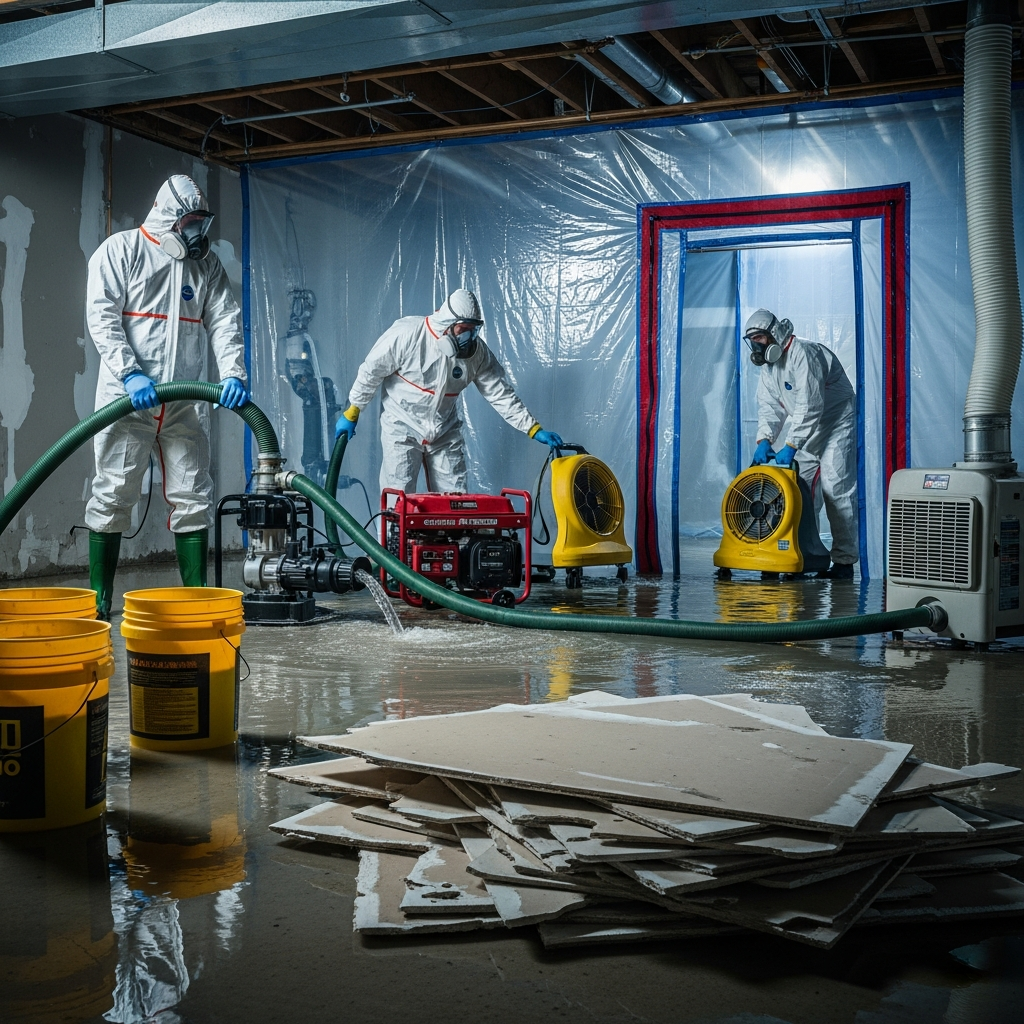
Emergency remediation teams deploy quickly with tools for water extraction, containment, and drying. They assess visible growth, measure moisture within walls and flooring, and identify high-risk materials that need immediate attention. Establishing containment early is essential to limit cross-contamination—especially important in multi-level homes where stairwells can act like chimneys for airborne particulate.
Containment and Air Filtration
Poly barriers and zipper doors isolate the affected zone. Negative air machines with HEPA filters maintain inward airflow and capture airborne spores. Supply and return vents in the work area are sealed to prevent the HVAC system from distributing contaminants elsewhere. Maintaining proper pressure differentials helps safeguard living areas during the urgent phase.
Water Extraction and Stabilization
Removing standing water is priority one. Teams use pumps and extractors to pull water from carpets, pads, and flooring. Strategic placement of air movers and dehumidifiers begins the drying process, reducing the risk of secondary mold growth in adjacent rooms. Early stabilization determines how much of your structure and belongings can be saved.
Selective Demolition in Emergencies
In heavy water events, porous materials—like saturated drywall and insulation—often require prompt removal. Cutting flood lines and removing damaged sections allows cavities to dry and prevents hidden growth. Non-porous materials are cleaned and disinfected. Swift decisions during this phase reduce long-term costs and shorten overall project duration.
Cleaning, HEPA Vacuuming, and Disinfection
After bulk water removal and demolition, emergency crews perform HEPA vacuuming to capture residual spores, followed by cleaning protocols appropriate for surface types. Corners, seams, and framing joints receive careful attention. Early cleaning sets the stage for effective drying and a smoother transition to full remediation and restoration.
Moisture Control and Ongoing Drying
Even after visible water is gone, materials can remain damp. Dehumidifiers and air movers stay in place until moisture readings meet targets. Continuous monitoring—especially in basements, crawlspaces, and lower-level rooms—prevents rebound growth and stabilizes conditions for successful rebuilds.
Documentation During Emergencies
Photos, moisture readings, and notes taken during the first 24–72 hours provide a roadmap for the rest of the project. They capture the extent of the damage and support every decision about removal, cleaning, and restoration. Documentation also helps coordinate with other professionals who may be needed for plumbing, electrical work, or structural repairs.
Coordination With Other Trades
Emergency mold remediation frequently overlaps with plumbing, roofing, and electrical work. Coordinating schedules ensures the water source is fixed before rebuilding and that walls are open when tradespeople need access. Efficient sequencing prevents rework and speeds up the return to normal living conditions.
Bloomfield Considerations: Basements, Weather, and Infrastructure
Bloomfield homes often feature finished basements, which are highly vulnerable to storm runoff and sump pump failures. Seasonal humidity compounds the risk by keeping materials damp. Aging infrastructure can introduce plumbing leaks and window seepage. A strong emergency plan acknowledges these realities and prioritizes drainage, grading, and ventilation improvements as part of the long-term solution.
Mid-Project Checkpoints
Once the emergency phase subsides, check containment, confirm that negative air and filtration are functioning, and verify moisture readings are trending downward. Reassess which materials can be saved versus replaced. If you have not already done so, consult experienced professionals to coordinate comprehensive mold remediation that moves from stabilization to complete removal and restoration.
Protecting Belongings During an Emergency
Move unaffected items out of the work zone, and isolate questionable items for later evaluation. Porous belongings with visible mold may not be salvageable, whereas non-porous items can often be cleaned. Label and photograph everything moved to streamline the post-emergency phase.
What to Expect After the Emergency Phase
Following initial stabilization, teams proceed with detailed removal, cleaning, and drying. Post-remediation verification ensures the space is clean and ready for restoration. At that point, reconstruction begins—drywall replacement, painting, and reinstalling finishes. Throughout, moisture control remains a priority to prevent future growth.
Prevention Strategies for the Future
- Install and maintain sump pumps with battery backups
- Keep gutters and downspouts clear and extended away from the foundation
- Seal foundation cracks and improve grading
- Ventilate bathrooms and kitchens to the outdoors
- Monitor indoor humidity and use dehumidifiers as needed
FAQs
How fast does mold start growing after water exposure? Mold can begin within 24 to 48 hours. Immediate action reduces the extent of contamination and preserves more building materials.
Can I use fans right away? Fans are helpful after containment is in place and only if they do not spread spores from a contaminated zone. Air movers should be part of a controlled drying plan.
Do I need to replace all wet drywall? Not necessarily, but saturated or visibly contaminated sections typically require removal to allow cavities to dry and to prevent hidden growth.
Is testing required during emergencies? Not always. Many emergency projects move straight into remediation based on visible damage and moisture readings. Post-remediation verification may be used to confirm cleanliness.
Will insurance cover emergency work? Coverage varies. Documentation is essential for any claim discussions.
Act Quickly to Protect Your Bloomfield Home
If water intrusion or sudden odors have you concerned, move fast to stabilize the situation and prevent cross-contamination. Engage a team that can extract water, establish containment, and carry the project through complete mold remediation so your Bloomfield home returns to a safe, comfortable environment.