
Introduction: A Homeowner’s Guide to Managing Mold in Bloomfield
For many Bloomfield, New Jersey homeowners, mold appears after a roof leak, a damp basement season, or a plumbing mishap. While small patches can seem manageable, the true challenge is addressing hidden moisture and ensuring removal is complete. This guide provides practical insights tailored to Bloomfield’s housing types and climate so you can protect your home, understand the process, and know when to bring in professional mold remediation to resolve contamination safely and thoroughly.
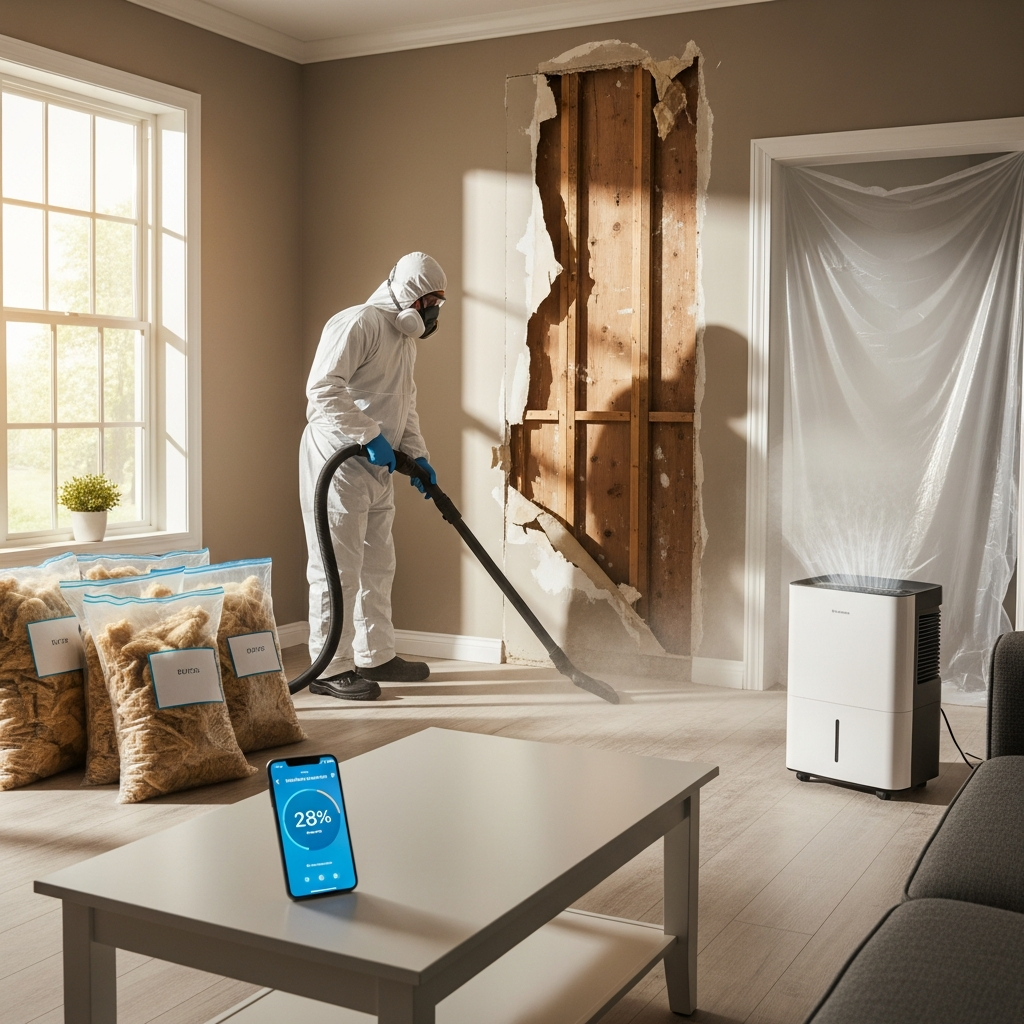
Mold remediation is not a single cleaning task. It is a sequence of coordinated steps—assessment, containment, removal, cleaning, drying, verification, and restoration—grounded in moisture control. By following a proven approach, homeowners minimize disruption and ensure the results last.
Why Mold Grows: The Bloomfield Context
Mold needs moisture, a food source, and the right temperature. Bloomfield’s humid summers and freeze-thaw winters create recurring opportunities for moisture to enter through foundations, windows, or roofs. Finished basements are common, and insulation or paneling can conceal damp conditions. Bathrooms and kitchens generate steam that, without proper ventilation, condenses on cooler surfaces and supports growth.
Recognizing Early Warning Signs
- Musty odors that linger after rain or in closed rooms
- Discoloration on walls, ceilings, and around window frames
- Peeling paint, bubbling finishes, or warped baseboards
- Condensation on basement windows or masonry walls
- Worsening allergies or respiratory irritation indoors
Early detection is critical. Investigate odors promptly and look beyond surface stains. Moisture meters and thermal imaging can help identify damp materials hidden behind walls and floors.
The Remediation Sequence Explained
- Assessment: Inspect for visible growth, musty odors, and water-damaged materials. Map moisture with instruments to define the true scope.
- Planning and Safety: Establish containment areas, select protective equipment, and outline removal and cleaning methods for each material type.
- Containment: Install poly barriers, zipper doors, and negative air machines with HEPA filtration to prevent cross-contamination.
- Source Control: Fix the leak, improve drainage, and stabilize humidity so the environment no longer favors growth.
- Removal: Carefully take out saturated drywall, insulation, and other porous materials that cannot be cleaned effectively.
- HEPA Vacuuming and Cleaning: Capture fine particulate and clean remaining surfaces thoroughly, paying attention to corners and joints.
- Drying: Use dehumidifiers and air movers until moisture readings are within target ranges.
- Verification: Confirm visual cleanliness and, when appropriate, perform post-remediation checks to validate the result.
- Restoration: Rebuild walls, paint, and reinstall finishes with moisture control measures in mind.
Material Decisions: What Stays and What Goes
Porous materials—drywall, insulation, ceiling tiles, carpet padding—often require removal if they have been wet or are visibly contaminated. Semi-porous wood framing may be saved with thorough cleaning if structurally sound. Non-porous items like glass and metal can usually be cleaned and disinfected. Each decision balances feasibility, safety, and long-term durability.
HVAC and Airflow Considerations
During remediation, vents in the affected area are sealed, and the HVAC system may be isolated to avoid distributing spores. After cleanup, filters are replaced and ducts may be serviced in the work zone. Managing airflow and filtration is essential to prevent recontamination elsewhere in the home.
Moisture Control for Lasting Results
Without moisture control, even impeccable cleaning will not hold. In Bloomfield, focus on drainage around the foundation, gutter maintenance, window and door sealing, and proper ventilation for bathrooms and kitchens. In basements, sustained dehumidification during humid months is often necessary to keep relative humidity within target ranges.
Working With Professionals: What to Expect
Expect a clear scope of work, defined containment zones, documented moisture readings, and regular progress updates. Pros adapt techniques to Bloomfield’s housing styles, from plaster-and-lath to modern drywall, and ensure that safety, cleanliness, and restoration are coordinated efficiently.
Mid-Project Decisions and Surprises
Demolition sometimes reveals unexpected damage—decayed framing, hidden leaks, or larger areas of growth. The project scope may expand to address these findings. Transparent communication, updated estimates, and revised timelines help you make informed choices as conditions unfold. If complexities arise, do not hesitate to consult a team experienced in full-scope mold remediation to manage containment, removal, and reconstruction seamlessly.
Aftercare: Keeping Your Home Healthy
Post-remediation, keep humidity between 30 and 50 percent, run exhaust fans during and after showers and cooking, and fix leaks at the first sign of trouble. Move storage slightly away from basement walls to allow airflow, and perform seasonal inspections after major weather events. Consistent maintenance is the best insurance against a recurring problem.
Children, Seniors, and Sensitive Individuals
Households with young children, seniors, or allergy-prone members should be extra vigilant. Communicate with your remediation team about occupant sensitivities so containment and cleaning strategies reflect those needs. In some cases, temporary relocation during heavy demolition may be the most comfortable option.
Common Misconceptions
- Bleach solves everything: It does not penetrate porous materials where growth takes root.
- If I cannot see mold, there is no problem: Hidden cavities may still harbor contamination if moisture is present.
- Dehumidifiers alone will fix it: They help prevent recurrence but do not remove existing colonies.
- Painting over stains is enough: Stains can bleed back through, and trapped moisture can worsen the problem.
Budgeting Time and Expectations
While every project is unique, plan for assessment, containment, removal, cleaning, drying, verification, and restoration phases. Small, isolated problems move quickly, while multi-room or basement-wide issues take longer due to demolition and extended drying. Clear communication around milestones keeps the process predictable.
Documentation and Peace of Mind
Request photos, moisture readings, and a written summary. Good documentation confirms that sources were resolved and that affected areas were properly cleaned and dried. It also helps with future maintenance planning and, when applicable, real estate transactions.
FAQs
How do I know if professional help is necessary? If the affected area is larger than a small patch, odors are strong, or wall cavities and insulation are involved, professional remediation is recommended to ensure effective containment and removal.
Will I need to leave my home? Not always. Many projects allow you to stay, though access to certain rooms may be limited. Your team will advise based on the scope and safety considerations.
Is testing required? Visible growth and moisture readings typically justify remediation. Testing may be used for baseline data or post-remediation verification when documentation is desired.
How can I keep mold from returning? Control moisture, ventilate bathrooms and kitchens, maintain gutters and grading, and fix leaks promptly. Monitor humidity and use dehumidifiers during humid periods.
What about my belongings? Non-porous items can often be cleaned, while porous items with visible contamination may need to be discarded. Discuss salvage strategies early in the process.
Protect Your Bloomfield Home With Confidence
If you are ready to move from worry to resolution, schedule an evaluation and plan thorough mold remediation. With the right steps and a focus on moisture control, you can restore clean, healthy conditions and keep your Bloomfield home safe and comfortable for the long term.