
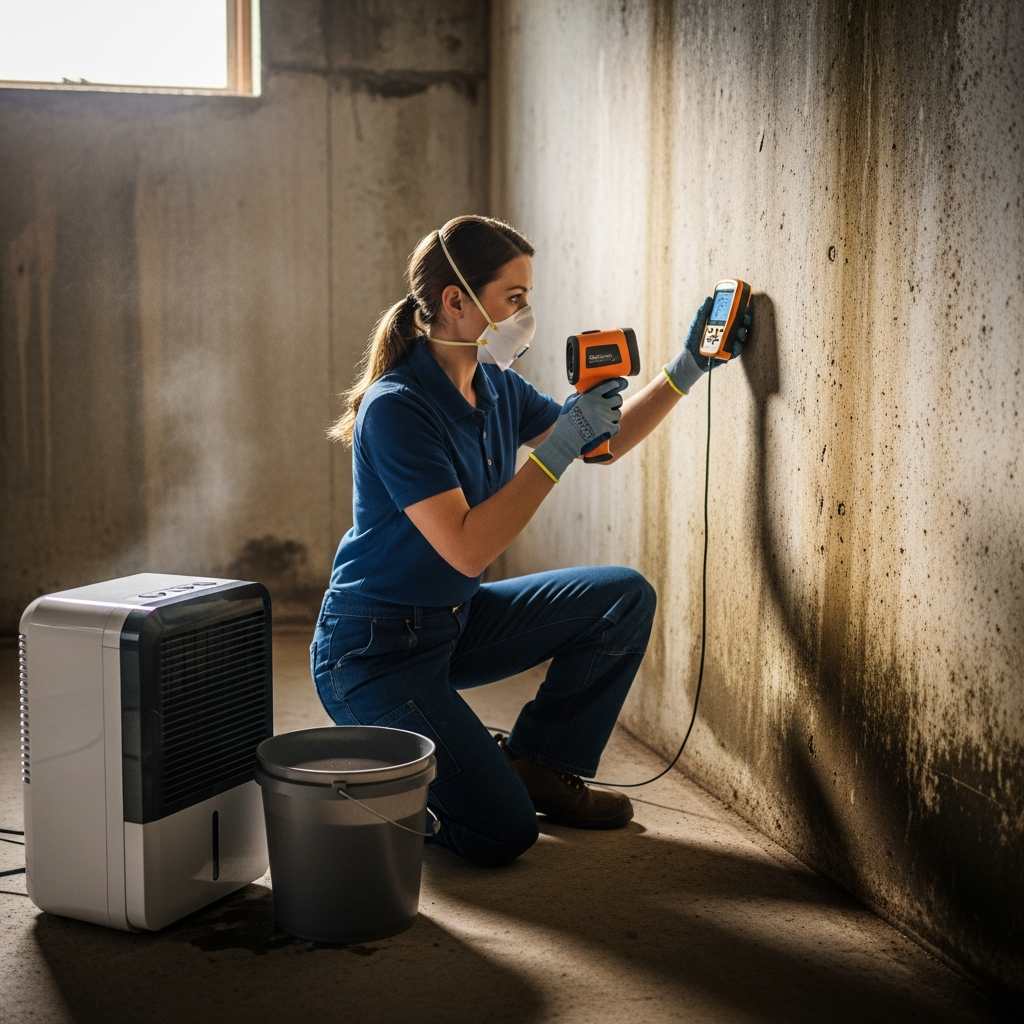
Residential Mold Inspections in Bloomfield, New Jersey: Why Booking Matters
Booking a residential mold inspection is one of the most effective ways to protect your health, your investment, and the long-term value of your home in Bloomfield, New Jersey. Local conditions—older housing stock, finished basements, changing seasons with humid summers and snowy winters—can create a perfect mix for hidden moisture and mold growth. When you schedule professional mold inspection services, you gain a structured, evidence-based assessment that helps you identify issues early, verify suspected problems, and plan reliable next steps without guesswork. Whether you are preparing to sell, recently noticed musty odors, or simply want peace of mind, a thorough inspection gives you clarity and control.
Many Bloomfield homes have features like basement laundry rooms, older plumbing, and combined heating and cooling systems that can conceal small leaks and recurring condensation. A trained inspector knows how to trace moisture pathways, evaluate ventilation patterns, and differentiate between harmless staining and conditions that support active mold growth. Instead of responding only after you see visible colonies on drywall or ceiling tiles, a timely booking helps you get ahead of the problem—often preventing a minor moisture concern from turning into a costly disruption.
What a Professional Residential Mold Inspection Includes
A professional inspection is much more than a quick look at walls. It typically begins with a structured interview to learn about your home’s history: recent renovations, appliance upgrades, roof work, storm events, or plumbing changes. Inspectors then perform a visual review inside and outside the home, noting drainage, grading, gutter conditions, and how water is directed away from your foundation. Indoors, they evaluate basements and crawl areas, kitchens, bathrooms, attics, and living spaces for signs of moisture, staining, peeling paint, humidity imbalances, and musty odors.
Tools enhance what the eye can see. Moisture meters check materials like drywall, baseboards, and subfloors to detect elevated moisture content. Hygrometers monitor relative humidity, an important factor since levels above 60 percent often correlate with condensation and surface mold. Thermal imaging can reveal temperature variations behind walls that suggest hidden moisture or insulation gaps. If indicated, inspectors may recommend sampling—such as surface swabs in suspect areas or air samples in rooms where odors persist without visible growth—to help confirm the presence and type of mold.
Finally, you receive clear documentation. A written report should explain the inspector’s observations, measurement readings, areas of concern, and practical recommendations for correction and prevention. The best reports avoid vague language. Instead, they connect findings to likely sources—roof flashing near a chimney, a shower exhaust venting into an attic, or a basement dehumidifier that is undersized for the space—so you can act confidently.
Bloomfield’s Housing Patterns and Moisture Risks
Bloomfield’s neighborhoods include a blend of historic homes, post-war properties, and newer construction. Each era presents unique vulnerabilities. Older masonry foundations can wick groundwater if exterior grading and downspouts are not properly configured. Post-war homes with finished basements may have paneling or carpeting that traps humidity near cold foundation walls. Even newer properties can experience condensation when airtight construction limits natural ventilation and bathroom or kitchen exhaust fans are underused or improperly ducted.
Seasonal shifts also matter. Spring thaws can drive moisture into porous materials; summer’s humidity can linger in basements and crawlspaces; fall leaf buildup clogs gutters; and winter snowmelt tests roof integrity and attic ventilation. A residential inspection factors all of this into a coherent moisture profile, illuminating not only current mold risk but also the conditions that will likely recur year after year unless addressed.
Early Warning Signs That Tell You to Book Now
Subtle signs often appear long before widespread mold growth. Watch for recurring condensation on window interiors, musty odors in closets or basement corners, staining that reappears after repainting, or small areas of bubbling or peeling paint. Tiles that lift in a bathroom, warped baseboards near a kitchen sink, or an HVAC filter that darkens unusually fast can also flag a humidity or moisture problem. In Bloomfield, where many homes rely on combined heating and cooling systems, uneven temperatures and unusually dusty return vents sometimes indicate restricted airflow and localized moisture pockets.
If you suspect a problem, do not rely on fragrance sprays or quick paint touch-ups. These disguise symptoms without addressing root causes. Instead, schedule a consultation and ask the inspector to focus on the areas where you observed changes. Sharing photos, timelines, or notes about recent storms or leaks helps the professional tailor the approach and decide whether targeted sampling is appropriate.
How to Prepare Your Home for a Smooth Inspection
Simple preparation can improve the inspection’s accuracy and efficiency. Clear items away from basement walls to allow easy meter and visual access. Ensure the attic hatch is reachable and safe. If possible, run bathroom and kitchen exhaust fans during normal use for a few days before the inspection, so the professional can observe typical humidity behavior. Replace extremely dirty HVAC filters; while filters are not the cause of mold, a clean filter prevents airflow obstruction that could mask underlying issues during testing.
Collect information ahead of time: warranty details for recent roof work, names of contractors who serviced your plumbing or HVAC, and any insurance claim records from water incidents. If you have a dehumidifier, note its settings and how often you empty it. These details allow the inspector to connect performance data with real-world conditions and provide targeted recommendations.
What Happens If Sampling Is Recommended
Sampling is not always necessary, but it can be valuable when odors persist, discoloration is ambiguous, or you need baseline data before and after repairs. Surface samples can confirm whether visible spots are mold or another type of staining. Air samples can indicate whether spore concentrations in indoor spaces differ significantly from outdoor levels. Interpreting results should be done in context; numbers alone do not define a problem. Your report should correlate sample findings with moisture sources, ventilation patterns, and observed building conditions.
In some cases, sampling supports prioritization. For example, if two areas show elevated moisture but only one yields problematic mold types or concentrations, you may focus repairs strategically to control risk while you plan broader improvements. The key is to connect laboratory results with practical steps you can implement in your Bloomfield home, rather than treating numbers as stand-alone answers.
Mid-Project Check-Ins and Why Timing Matters
Homeowners sometimes book an inspection after a leak is fixed, thinking the risk is gone. While that instinct is understandable, it can miss hidden moisture that lingers in porous materials like framing, subfloors, and insulation. Scheduling an inspection promptly—ideally while materials are still accessible—helps verify drying progress and prevents mold from taking hold behind newly repaired finishes. If you are planning renovations, a pre-renovation inspection can provide a moisture baseline and highlight ventilation upgrades worth integrating from the start.
When you are mapping out next steps, you can also use a mid-project consultation to align expectations, verify whether previous recommendations were implemented correctly, and determine if adjustments are needed. If you are unsure where to start, consult reputable mold inspection services for guidance on sequencing repairs, improving airflow, or selecting dehumidification strategies tailored to Bloomfield’s seasonal climate.
Understanding Your Report: From Findings to Action
A strong inspection report translates technical observations into homeowner-friendly guidance. Expect clear descriptions of each area reviewed, moisture and humidity readings where applicable, photos that document conditions, and a ranked list of recommendations. High-priority items typically address active leaks, drainage defects, or persistent humidity sources. Medium-priority actions might include optimizing exhaust ventilation, adding weatherstripping to reduce condensation on cold surfaces, or resizing a dehumidifier. Low-priority actions often focus on monitoring and maintenance routines.
The report should also address safety considerations. For example, extensive visible mold growth calls for containment and proper protective measures during any removal to avoid dispersing spores throughout the home. Likewise, if an attic shows both inadequate ventilation and roof sheathing staining, the plan should consider balanced intake and exhaust, air sealing between living spaces and the attic, and insulation improvements—all designed to reduce condensation during winter.
Prevention Strategies for Long-Term Peace of Mind
Prevention is a set of habits rather than a single fix. Use exhaust fans during and after showering. Keep relative humidity between 40 and 50 percent whenever possible. Probe recurring trouble spots after heavy rain to catch small leaks before they spread. Seal gaps around plumbing penetrations and improve weatherstripping on drafty windows and doors to reduce dew point interactions that lead to condensation. In basements, elevate stored items on shelves so you can see and feel walls and floors easily, and clean dehumidifier filters regularly.
Consider periodic checkups after large weather events, roof work, or plumbing upgrades. Even if you do not see symptoms, a quick professional review can confirm that materials have dried appropriately and that preventive measures are working. Homeownership in Bloomfield rewards vigilance, especially in spaces like basements and attics that do not get daily attention.
Common Mistakes Homeowners Can Avoid
Painting over stained drywall without addressing moisture delays real solutions and may make later repairs more extensive. Relying on bleach for porous materials like drywall or wood is also ineffective; bleach can lighten stains but is not a remediation strategy for materials that are damp or contaminated. Overlooking ventilation—such as a bathroom fan that vents into the attic instead of outdoors—can create chronic condensation cycles. Finally, ignoring small exterior issues, like a disconnected downspout or slightly negative grading near a foundation, can translate into steady moisture intrusion over time.
Another frequent mistake is postponing inspection until after visible mold becomes widespread. By booking earlier, you limit disruption and create a manageable plan. Remember that controlling moisture is the foundation of any lasting solution; cleaning alone, without moisture management, rarely prevents recurrence.
Working with Neighbors, Contractors, and Property Managers
In neighborhoods with closely spaced homes, gutter overflows, seasonal leaf buildup, and snowmelt patterns can affect how water moves around your property. If you share walls or drainage pathways, a coordinated approach with neighbors or a property manager can make improvements more effective. When contractors are involved—roofers, plumbers, HVAC technicians—share your inspection report so each trade understands the moisture priorities and can align their work accordingly.
Good communication also helps if you plan to sell your home in the near future. Showing prospective buyers that you proactively inspected, addressed issues, and maintained preventive routines can strengthen confidence and reduce uncertainty during negotiations.
Special Considerations for Basements and Attics
Basements and attics deserve special attention in Bloomfield. Basements often run cooler than upper floors, which can foster condensation when warm, humid air enters. Simple behavioral changes—like keeping basement windows closed during hot, humid days—can reduce moisture loads. Attics, on the other hand, must balance air sealing, insulation, and ventilation. If warm indoor air leaks into a cold attic during winter, condensation can collect on roof sheathing. An inspection will check for bath fan terminations, blocked soffits, inadequate ridge or gable vents, and insulation abnormalities that lead to temperature swings.
Where finished basements are present, inspectors will consider the interface between organic materials (like wood studs and paper-faced drywall) and concrete walls or slabs. Capillary action and vapor drive can bring moisture into contact with these materials if barriers are missing or incomplete. Understanding that dynamic is essential to preventing stubborn, recurring mold issues.
Health and Comfort: Why Mold Control Feels Better
While only a healthcare professional can advise on medical questions, many households report feeling more comfortable once moisture and mold are controlled: fewer musty smells, less stuffiness, and more consistent indoor comfort. Good moisture management helps HVAC systems perform efficiently, supports cleaner filters, and can reduce dust accumulation. For families with sensitive individuals, addressing the environment may contribute to an overall sense of wellbeing at home.
Frequently Asked Questions about Residential Mold Inspections
Q: How long does a typical residential mold inspection take? A: Most single-family homes in Bloomfield require a few hours for a thorough review, depending on size, access, and whether sampling is indicated. Larger or more complex homes may take longer, especially if multiple attics, crawlspaces, or finished basements are involved.
Q: Do I need to leave the home during the inspection? A: Generally no. Inspectors may ask for quiet during air sampling or request that HVAC settings remain stable, but you can usually remain at home and even accompany the inspector to discuss observations.
Q: Is sampling always part of the inspection? A: Not necessarily. Many issues can be identified and resolved based on visual evidence and moisture measurements alone. Sampling is often recommended when discoloration is ambiguous, odors are present without visible growth, or documentation is needed before and after repairs.
Q: If mold is found, does that always mean major repairs? A: The scope depends on the source and extent. Sometimes targeted fixes—like redirecting downspouts, improving ventilation, or repairing a localized leak—address the problem effectively. Large or long-standing issues may require more comprehensive work, but an inspection helps you plan methodically.
Q: Can I clean up small spots myself? A: For small, non-porous surfaces and minor, localized spots, gentle cleaning and drying can help, provided you also resolve the moisture source. Avoid disturbing broader areas without guidance, and never sand or aggressively scrub moldy materials without containment and protective measures.
Q: Will a dehumidifier alone solve basement mold? A: Dehumidifiers help control humidity but do not fix liquid water intrusion or structural issues. They work best as part of a broader plan that includes drainage, air sealing, and ventilation improvements.
Q: What if my home inspection during a real estate transaction flagged moisture concerns? A: A dedicated mold inspection adds depth, focusing on moisture dynamics, risk areas, and, if needed, sampling. It offers clarity and helps both parties make informed decisions about timing and scope of repairs.
Book Your Bloomfield Residential Inspection Today
If you have noticed musty odors, recurring stains, or past leaks, do not wait for problems to escalate. A residential mold inspection offers a clear path from uncertainty to action, tailored to the realities of Bloomfield’s housing and climate. By identifying moisture sources, verifying conditions with instruments, and providing prioritized recommendations, you can protect your home’s value and your family’s comfort.
Take the next step and schedule trusted mold inspection services today. With the right plan in place, you can address current concerns, prevent recurrence, and enjoy a healthier, more resilient home season after season.