Emergency Mold Mitigation Services Near Bloomfield, New Jersey
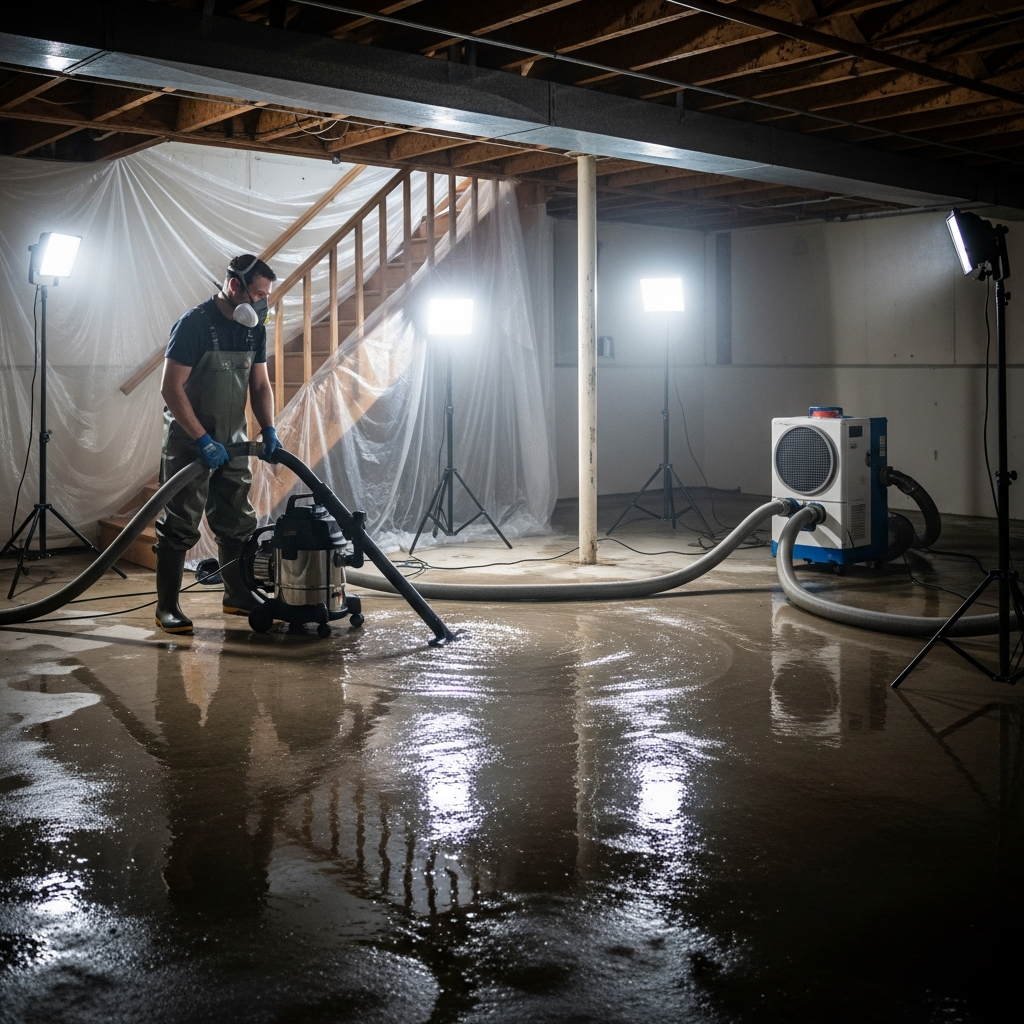
When water intrudes, time matters. Within a short window, spores can settle on damp materials and begin to colonize. In Bloomfield, emergency mitigation is about decisive action that stops spread, reduces exposure, and preserves as much of the structure and contents as possible. Whether the trigger is a burst pipe, roof failure, or flooded basement, a rapid, organized response keeps a bad situation from getting worse. Many residents call for immediate mold mitigation services to establish containment, begin drying, and protect unaffected rooms while plans for full remediation are developed.
Emergency work prioritizes stabilization and safety. It also emphasizes clear communication, because fast projects still need to be coordinated with occupants, neighbors, and building managers. This guide outlines the critical steps to take in the first hours and days, what to expect from a qualified emergency team, and how to protect your property until remediation finishes the job.
The First 24–48 Hours: Actions with the Highest Impact
- Stop the water source. Shut off valves, cap lines, and patch roof openings where safe to do so.
- Protect electrical safety. Avoid standing water near outlets or panels and wait for professionals if hazards exist.
- Isolate the affected area. Close doors and keep foot traffic to a minimum to prevent tracking contaminants.
- Begin ventilation and dehumidification as appropriate. Manage humidity without blowing air directly on visible growth.
- Document damage. Take photos and note times and conditions for future reference.
These actions support the emergency team’s efforts and reduce the chance of mold spreading to clean rooms.
What Emergency Mitigation Includes
- Containment and negative pressure to keep particulates from migrating
- HEPA air filtration to lower airborne spores
- Targeted demolition of unsalvageable, heavily contaminated materials
- Dehumidification and drying focused on wet building assemblies
- Protection of HVAC systems to prevent cross-contamination
- Initial cleaning to reduce surface contamination and odor
The aim is to stabilize and secure the building so remediation can proceed safely and efficiently.
Safety for Occupants and Responders
Emergency conditions can introduce hazards beyond mold—slips, electrical risks, structural instability, and compromised indoor air. Professionals wear appropriate protective equipment, use grounded cords and GFCI protection, and confirm structural safety before demolition. Occupants should stay clear of work zones and follow guidance about temporary relocations, especially for sensitive individuals.
Bloomfield-Specific Triggers
Local storms, clogged gutters, and older plumbing all contribute to emergency calls in Bloomfield. Basements can flood during sudden downpours, and wind-driven rain finds weak points in flashing and siding. In cold seasons, frozen pipes can rupture and soak walls and floors. A prepared response plan—knowing shutoff locations, contractor contacts, and pet arrangements—saves precious minutes when every minute counts.
Coordination in Multifamily and Commercial Spaces
In multifamily buildings and commercial properties, mitigation teams coordinate with property management to secure access routes, protect common areas, and communicate with neighbors. Vertical chases and shared mechanical systems can spread moisture and particulates between units if not addressed. Prompt containment and isolation of affected risers or shafts are crucial to protecting the broader building.
Mid-Response Reassessment
As drying progresses and contaminated materials are removed, reassessment ensures no hidden pockets remain. Crews use moisture meters and infrared cameras to scan adjacent rooms and structural elements. At this midpoint, many owners appreciate the role of expert mold mitigation services in preventing secondary damage, a key reason outcomes are better when professionals respond quickly.
Contents Triage
Emergency mitigation includes decisions about contents. Nonporous items typically clean up well with HEPA vacuuming and damp wiping. Porous items with heavy contamination may require specialized cleaning or disposal. Fast triage avoids cross-contamination and preserves salvageable belongings. Clear bagging and labeling keep the process orderly and support documentation.
Protecting HVAC Systems
Air handlers can spread particulates through the entire property if left unprotected. During emergency work, registers and returns in affected zones are covered or isolated, filters are changed frequently, and equipment is inspected for moisture intrusion. After stabilization, ducts may be evaluated for cleaning if contamination is suspected.
Common Missteps to Avoid
- Delaying action until stains appear visibly on surfaces
- Using household fans to blow directly on colonies, which can aerosolize spores
- Painting or sealing over visible growth without removal and drying
- Performing demolition without containment, spreading particulates to clean rooms
- Assuming odor alone is a reliable guide; hidden cavities can be worse than what is visible
A measured, professional approach curbs these risks and concentrates effort where it makes the most difference.
Documentation for Clarity and Confidence
Even in emergencies, documentation matters. Photos, moisture readings, and equipment logs explain what happened, what was done, and what remains. This record helps with planning full remediation, communicating with stakeholders, and guiding future maintenance to prevent recurrence.
After Stabilization: Transitioning to Remediation
When emergency mitigation has controlled the situation, remediation takes over to remove contamination and address root causes. This may involve selective demolition, mechanical cleaning, drying to target moisture content, and verification that normal conditions have returned. The transition is smoother when the same team or a coordinated partner maintains continuity of documentation and containment.
Everyday Prevention Following an Emergency
- Install or upgrade exhaust fans that vent outdoors, and use timers to keep them running after showers and cooking.
- Maintain gutters and downspouts; keep water flowing away from the foundation.
- Place leak detectors under sinks, behind appliances, and near water heaters.
- Keep indoor humidity in a comfortable range with dehumidifiers where needed.
- Inspect attics and basements seasonally, especially after major weather events.
These actions reduce the chance that a new emergency will occur and make your property more resilient.
Frequently Asked Questions
Q: How fast do I need to act after a water incident? A: As soon as it is safe. Early containment, drying, and filtration make the biggest difference in preventing widespread growth.
Q: Can I stay in my home during emergency mitigation? A: Often, yes, if containment and safety protocols are in place. Sensitive individuals may prefer to avoid active work zones until stabilization is complete.
Q: Do I need testing before starting? A: In an emergency, stabilization usually begins right away. Testing can be considered later if it will inform remediation decisions or verification.
Q: What if the source is unclear? A: Professionals use moisture mapping and infrared imaging to trace water pathways and identify likely entry points for targeted repairs.
Q: Are basements the main concern? A: Basements are common, but bathrooms, kitchens, attics, and utility rooms also require attention, especially where ventilation is limited or plumbing is concealed.
Q: How will I know when it is safe to begin repairs? A: Once mitigation has stabilized conditions and remediation has removed contamination and achieved drying targets, your team will outline steps for rebuilding.
Be Ready Before the Next Storm
Emergency mold situations demand speed and precision. If you are facing water intrusion or suspect fast-growing contamination, reach out to a local team that can respond right away. With proven mold mitigation services, you can secure your Bloomfield property, protect indoor air, and chart a clear path from crisis to restoration. Acting now preserves more of what matters and speeds your return to normal routines.