
Mold Mitigation Services and Inspection in Bloomfield, New Jersey
A successful mold strategy starts with the right assessment and continues with decisive action. In Bloomfield, where weather swings, architectural variety, and active households intersect, the combination of accurate inspection and prompt mitigation is essential. Inspection tells you what is happening and why; mitigation stabilizes conditions to protect occupants and materials while long-term solutions are designed. Many property owners begin with a call to experienced mold mitigation services so the most pressing risks are controlled while the inspection dives deeper into sources and extent.
Because mold thrives wherever moisture, organic material, and time converge, the most effective approach is both investigative and proactive. That means looking behind surfaces, mapping moisture, and understanding airflow, then deploying containment, filtration, and drying to reduce exposure. This guide explains how professional inspections work, what mitigation includes, how the two coordinate, and what steps help keep your Bloomfield property healthy over the long term.
What a Professional Mold Inspection Includes
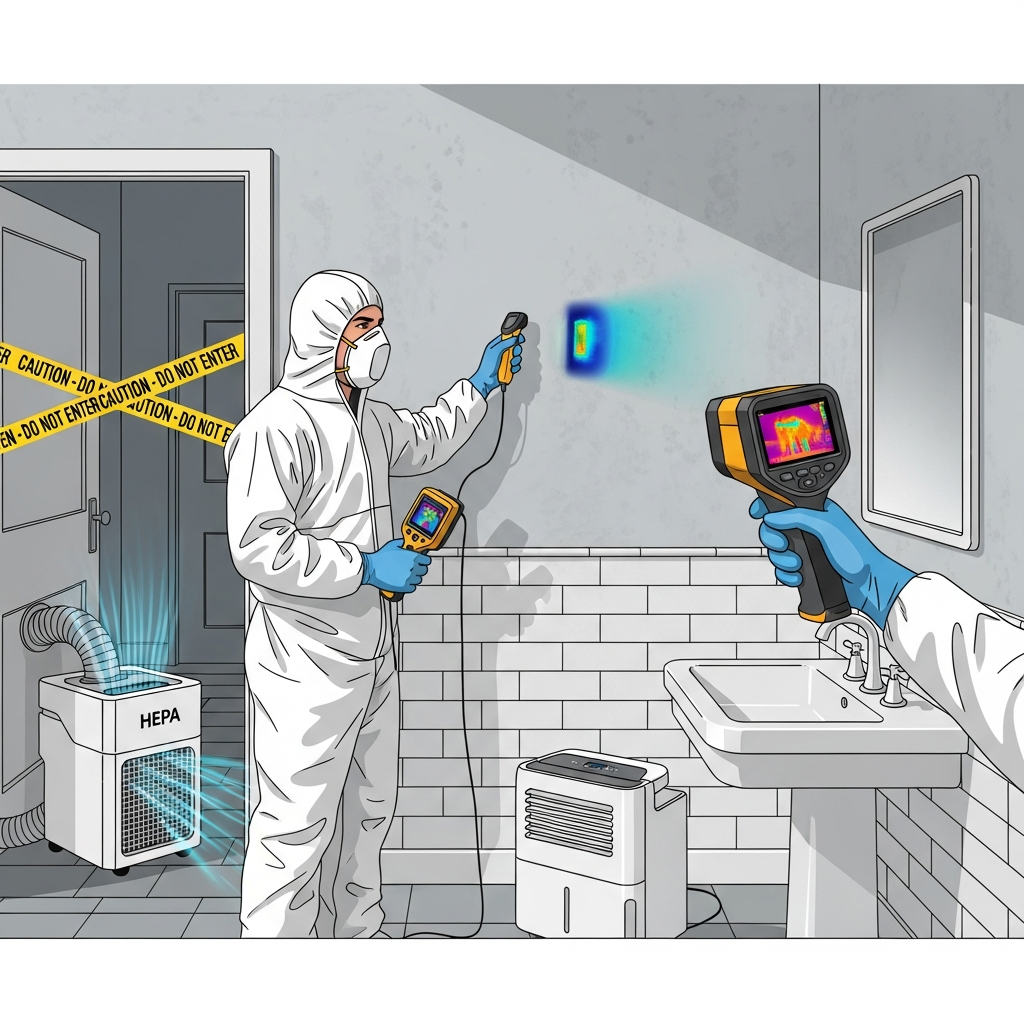
A thorough inspection goes beyond a quick glance at visible discoloration. Inspectors interview occupants about recent leaks, odors, or symptoms; review maintenance records; and evaluate how the building was constructed and remodeled. They use tools such as moisture meters and infrared cameras to detect wet materials and temperature differences that hint at condensation. They check attics for ventilation, basements for seepage lines, bathrooms for exhaust performance, and kitchens for slow plumbing leaks. They also look for dust reservoirs and airflow pathways that can move spores between rooms.
When warranted, the inspection may include sampling to support decision-making—surface samples to identify growth on materials or air samples to characterize particulate levels in contrasted areas. Sampling is most useful when results will change the scope of work or help confirm that remediation has achieved targets. Regardless of sampling, documentation with photos and notes builds a clear picture for the mitigation and remediation teams.
How Mitigation Connects with Inspection
Inspection and mitigation are interdependent. Inspection uncovers how water entered, where it traveled, and which materials are impacted. Mitigation reduces immediate risk with containment, HEPA filtration, and moisture control while options are evaluated. For example, an inspection might reveal that a bathroom exhaust fan terminates in the attic; mitigation would seal the attic access during work, run air scrubbers, and start drying wet sheathing while a plan is made to reroute the duct to the exterior.
Bloomfield Building Realities
In Bloomfield, older plaster walls, brick foundations, and dormered roofs each introduce specific moisture dynamics. Plaster over wood lath can trap moisture behind paint films; brick can wick groundwater if grading is poor; and dormers can concentrate roof leaks at flashing transitions. A good inspection accounts for these patterns and helps tailor mitigation so it is effective on day one and sets a clear course for remediation.
Key Components of Mitigation
- Containment: Plastic barriers and zipper doors isolate work zones and protect adjacent rooms.
- Negative air and HEPA filtration: Air scrubbers capture spores and particulates, lowering airborne levels.
- Source control: Leaks are stopped or isolated; HVAC registers are protected to prevent spread.
- Moisture stabilization: Dehumidifiers and targeted air movement dry wet materials strategically.
- Initial cleaning: Surfaces are HEPA vacuumed and damp wiped to reduce surface spore loads.
These measures do not claim the problem is gone; they ensure it is not growing worse while detailed remediation is designed and scheduled.
Room-by-Room Inspection Priorities
- Basements: Look for efflorescence, damp corners, and musty odors that indicate chronic seepage.
- Bathrooms: Check caulk, grout, and ventilation effectiveness; inspect vanity cabinets for hidden drips.
- Kitchens: Examine supply lines, dishwasher connections, and refrigerator water hookups.
- Attics: Verify that exhaust fans vent outdoors, soffits are open, and insulation is not blocking airflow.
- Living areas: Evaluate exterior walls for condensation behind furniture and near windows.
Each room tells part of the story. Together, they reveal patterns that guide both mitigation and remediation choices.
Communication and Safety During Inspection
Inspectors and mitigation teams should communicate clearly with occupants about entry points, temporary restrictions, and expected equipment noise. Sensitive individuals may be advised to avoid active work areas. Pets should be relocated from zones under containment. Good communication reduces stress and keeps projects on schedule.
Evaluating Moisture: The Heart of the Matter
Moisture drives mold. An inspection that accurately maps wet materials and identifies vapor traps is invaluable. Technicians measure drywall, base plates, subfloors, and framing, comparing readings to known dry standards. They assess whether condensation, capillary action, liquid leaks, or humid air are the primary drivers. This precision helps mitigation set the right mix of drying and dehumidification and helps remediation identify which materials to remove or restore.
Mid-Project Adjustments
As drying progresses and containment isolates the problem, new information can appear—hidden cavities, secondary wet areas, or dust reservoirs not evident initially. Mid-project reviews ensure the plan adapts. At this stage, understanding the role of professional mold mitigation services highlights why early stabilization matters: it buys time to make good decisions without letting conditions worsen.
What Not to Do Before Inspection and Mitigation
- Do not tear out materials impulsively; this can aerosolize spores and expand the affected area.
- Do not apply paint or sealants over visible growth; they can trap moisture and delay proper treatment.
- Do not run central HVAC across contaminated zones without protection; it can spread particulates.
- Do not rely on odor-masking products; they can hide clues inspectors need to trace sources.
Resist the urge to rush demolition. A measured approach delivers better outcomes and protects clean areas.
Documentation That Matters
A solid inspection report includes a narrative of findings, annotated photos, moisture readings, and a preliminary scope for mitigation. It may also include maintenance recommendations, such as improving grading, cleaning gutters, or upgrading bathroom exhaust timers. Keeping these records supports transparency with buyers, tenants, and insurers, and it helps ensure the building’s unique challenges are remembered long after the work is complete.
Long-Term Prevention Strategies
- Control humidity with dehumidifiers and ventilation; keep readings in a comfortable range.
- Vent bathrooms and kitchens outdoors and use timers to run fans long enough after use.
- Maintain gutters, downspouts, and grading so water flows away from the foundation.
- Inspect attics and basements seasonally for early signs of moisture or staining.
- Install smart leak detectors near appliances and plumbing fixtures for early alerts.
Prevention is ongoing. Small actions—like leaving space behind furniture for airflow or changing HVAC filters on schedule—help maintain a healthy indoor environment.
Frequently Asked Questions
Q: Do I need testing to confirm mold? A: Not always. Visible growth and moisture evidence often justify action. Testing can be useful when it informs scope, supports clearance decisions, or helps identify hidden sources.
Q: Can I stay in the home during mitigation? A: Often yes, with containment and HEPA filtration in place. Sensitive occupants may choose to limit time in affected areas until work is finished.
Q: How quickly should mitigation start? A: As soon as practical after discovery of water or visible growth. Prompt action reduces spread and simplifies later remediation.
Q: Will mitigation alone fix the problem? A: Mitigation stabilizes conditions but does not replace full remediation. It buys time, protects health, and prevents worsening.
Q: What about my personal belongings? A: Many nonporous items can be cleaned effectively. Porous items with deep colonization may be candidates for disposal. Discuss contents handling early in the process.
Q: What signals a hidden moisture source? A: Recurring musty odors, peeling paint, warped baseboards, and localized condensation may point to concealed leaks or vapor issues that inspection can uncover.
Q: Is attic mold always from a roof leak? A: Not always. Inadequate ventilation and bathroom fans venting into the attic can cause condensation that feeds growth on sheathing even without an active roof leak.
From Discovery to Resolution
The best outcomes follow a clear sequence: inspect thoroughly, mitigate promptly, remediate completely, and maintain proactively. When inspection findings guide mitigation, and mitigation protects the building while plans are made, you gain control over the situation and confidence in the path forward.
Get Expert Help in Bloomfield Now
If you have noticed staining, musty odors, or a recent leak, take action. Begin with a focused inspection and immediate stabilization from trusted mold mitigation services. A responsive local team can isolate impacted areas, lower airborne particulates, and map a step-by-step plan that restores healthy conditions in your Bloomfield home or business.