Understanding Mold Mitigation Versus Remediation in Bloomfield, New Jersey
Homeowners and property managers in Bloomfield often hear two terms when dealing with an indoor mold problem: mitigation and remediation. While they sound similar, they serve different purposes and are performed at different stages of a comprehensive mold strategy. Knowing which one you need—and when—can protect your health, preserve your property, and prevent recurring growth. Early in the process, many residents look for dependable mold mitigation services to stabilize conditions, reduce exposure, and keep the situation from getting worse while long-term solutions are planned.
Mitigation and remediation work best when they are used together in a logical sequence. In Bloomfield’s humid summers, rainy shoulder seasons, and older housing stock, timing is critical. The right approach does more than remove spots on drywall; it addresses the conditions that let spores colonize. This guide explains both disciplines, how they differ, and how they overlap, so you can make confident, timely decisions for homes, condos, multifamily buildings, and commercial spaces across Essex County.
What Is Mold Mitigation?
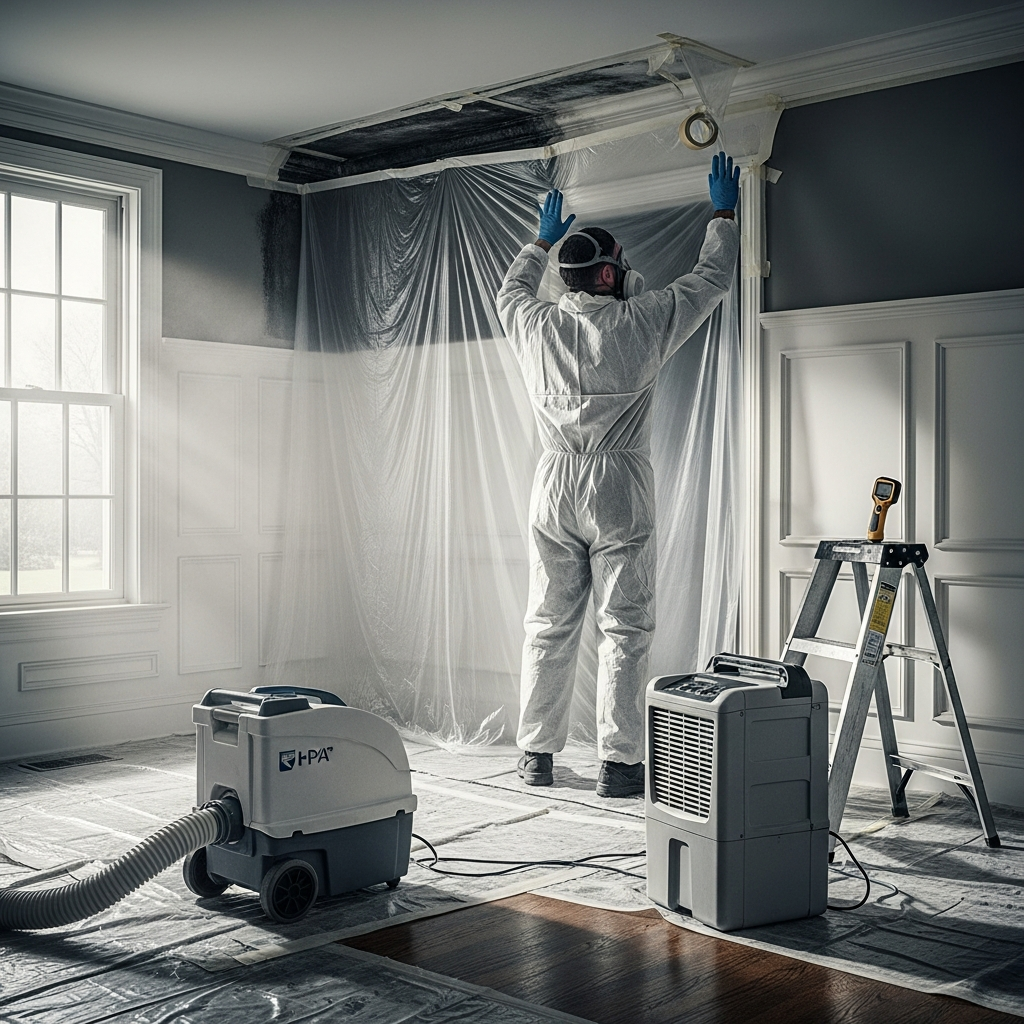
Mold mitigation focuses on immediate risk reduction. Think of it as a rapid response to stop spread, control moisture, reduce airborne spore levels, and make the indoor environment safer while planning the next steps. Typical mitigation actions include establishing containment with plastic sheeting and negative air, adjusting indoor humidity, setting up HEPA air filtration, isolating HVAC zones, removing non-salvageable items that are heavily contaminated, and stabilizing building materials that are wet. The goal is not to declare the property mold-free; the goal is to halt deterioration and limit exposure.
Because mold growth can accelerate within 24–48 hours after water intrusion, mitigation is often urgent. In Bloomfield, triggers might include a roof leak after a nor’easter, a basement seepage issue during spring thaw, or a supply line break in a multifamily unit. Trained technicians use meters to map moisture, prioritize affected areas, and decide where to place equipment and barriers. By acting quickly, they give you breathing room to plan remediation with less disruption.
What Is Mold Remediation?
Remediation is the structured process of removing mold growth, cleaning or discarding contaminated materials, eliminating moisture sources, and returning the built environment to a normal fungal ecology. It is deliberate, thorough, and documented. Steps can include source identification, containment setup, negative pressure, controlled demolition of unsalvageable materials, HEPA vacuuming, damp wiping, wire brushing or soda blasting on structural lumber, drying, and post-remediation verification by visual inspection and, when appropriate, third-party assessment.
Where mitigation is about immediate stabilization, remediation is about long-term resolution. It typically follows a detailed scope of work and may reference industry standards and best practices for safe, effective cleanup. In homes, remediation could cover an unfinished basement wall system, bathroom walls and ceilings, attic sheathing, or any area with confirmed growth. In commercial spaces, it may include ceiling plenums, mechanical rooms, or tenant build-outs affected by unaddressed moisture.
How the Two Work Together
Mitigation and remediation are complementary. Mitigation curbs ongoing damage and reduces occupant exposure so remediation can proceed safely and efficiently. Remediation, in turn, eliminates the colonies, addresses moisture, and verifies that conditions have returned to normal. When you combine them in the right order, you stop the immediate problem and prevent it from returning. In many projects, mitigation begins the same day the problem is discovered, followed by a design for remediation that considers building materials, occupancy, and timelines.
Why the Difference Matters in Bloomfield
Bloomfield’s housing mix includes pre-war homes, mid-century multifamily buildings, and newer construction. Each presents different moisture pathways—from chimney flashings and plaster cracks to modern tight building envelopes that trap humidity. Choosing mitigation first helps contain risk while you figure out where water is entering and which assemblies are affected. Choosing remediation next ensures you achieve durable, verifiable results. For property managers, this sequencing also supports documentation for tenant communication and compliance with health-oriented building policies.
Health and Indoor Air Quality Considerations
Mold can affect occupants differently, but the shared priority is reducing exposure. Mitigation deploys HEPA air scrubbers and containment to lower airborne particulate levels and isolate work areas. This is especially important in households with children, older adults, or anyone with respiratory conditions. Remediation follows with detailed cleaning, drying, and re-assembly so that air quality can return to typical indoor baselines. Occupant coordination—deciding who can remain on-site, which zones are restricted, and what personal items need attention—is part of a proper plan.
Signs You Need Immediate Mitigation
- Recent water intrusion from plumbing, storm events, or foundation seepage
- Persistent musty odor even after routine cleaning
- Condensation on windows, ducts, or cold wall surfaces
- Visible mold colonies on drywall, baseboards, framing, or furnishings
- High indoor humidity measured by a hygrometer or smart thermostat
- Complaints of worsened indoor allergy symptoms
When these signs appear, mitigation provides a buffer between discovery and complete remediation. The faster you act, the smaller the impacted area tends to be, and the simpler the remediation scope later.
Step-by-Step: A Typical Mitigation Flow
- Assessment and moisture mapping to identify the wettest areas.
- Critical containment using plastic sheeting and zipper doors.
- Negative pressure with HEPA filtration to capture airborne spores.
- Source control by stopping active leaks and isolating HVAC returns.
- Removal of grossly contaminated porous items that cannot be cleaned.
- Dehumidification and targeted drying to stabilize materials.
- Initial cleaning of surfaces to reduce surface spore load.
This sequence lowers risk and sets up remediation for success. It also helps determine what materials can be saved versus what must be replaced during the next phase.
Step-by-Step: A Typical Remediation Flow
- Detailed scope of work and safety plan based on assessment.
- Containment and negative air setup refined for demolition as needed.
- Selective removal of unsalvageable drywall, insulation, or carpeting.
- Mechanical cleaning of structural elements with HEPA vacuuming and wiping.
- Drying to acceptable moisture content using meters to verify progress.
- Cleaning of dust reservoirs in adjacent areas to minimize recontamination.
- Final inspection and, where appropriate, third-party verification of cleanliness and dryness.
Remediation concludes with recommendations for repairs, ventilation upgrades, and moisture management strategies to keep mold from returning.
Common Misconceptions
- “Bleach alone solves mold.” Surface discoloration may fade, but hidden colonies and moisture problems remain.
- “Once it is dry, the job is done.” Without removing contamination and cleaning dust reservoirs, spores can redistribute and re-colonize.
- “Painting over it seals the problem.” Encapsulation without removal traps contamination and can fail if moisture returns.
- “Mitigation is the same as remediation.” Mitigation stabilizes; remediation resolves.
Mid-Project Coordination and Communication
As work progresses from mitigation to remediation, communication with occupants, building management, and any third-party assessors is essential. Project teams should explain what containment means for daily routines, which entrances to use, where pets should be kept, and how air scrubbers will sound and operate. For anyone comparing options, learning about professional mold mitigation services clarifies how early stabilization prevents costlier damage to finishes and furnishings later in the process.
Bloomfield-Specific Moisture Sources
Local weather patterns and building styles influence where mold thrives. In Bloomfield, common culprits include flashing failures around dormers, clogged gutters that send water behind siding, below-grade hydrostatic pressure pushing moisture through foundation walls, and bathroom exhaust fans venting into attics instead of outdoors. Older steam radiators can also create localized humidity if valves leak. Understanding these sources allows you to prioritize mitigation steps and build a remediation plan that addresses root causes, not just symptoms.
Selecting the Right Professional
Look for a provider that explains the difference between mitigation and remediation and can outline both paths. Ask about containment methods, HEPA filtration, documentation practices, and how they coordinate with third-party inspectors when needed. A transparent process that includes photos, moisture readings, and clear communication helps you make informed decisions. In multifamily settings, a qualified team will coordinate with property management to protect neighboring units from cross-contamination.
What You Can Do Right Now
- Control humidity by using a dehumidifier in basements and closed spaces.
- Promote airflow with fans while avoiding direct blowing on suspect areas.
- Shut off water to leaking fixtures and mop up standing water promptly.
- Do not disturb visible colonies, as agitation can aerosolize spores.
- Document areas of concern with date-stamped photos for your records.
These actions do not replace mitigation, but they reduce risk while you arrange professional help. Avoid sanding, scraping, or applying paint until the area has been properly contained and assessed.
Post-Remediation Prevention
After remediation, prevention keeps your property on track. Routine maintenance—clean gutters, proper grading, sealed penetrations, and exhaust fans vented to the exterior—reduces moisture. Monitor indoor relative humidity and keep it in a comfortable range. Consider smart leak detectors in areas like under sinks, behind washing machines, and near water heaters. If you renovate, select materials and assemblies that handle incidental moisture better, and maintain ventilation systems so that stale, humid air is exhausted effectively.
Documentation and Peace of Mind
Well-documented mitigation and remediation provide confidence for homeowners, tenants, and buyers. Keep copies of the mitigation report showing containment, equipment logs, and moisture readings. Retain the remediation scope, photos, and final verification notes. These records are valuable for real estate transactions and for demonstrating due diligence in addressing an indoor environmental concern.
Frequently Asked Questions
Q: How do I know if I need mitigation, remediation, or both? A: If there is current moisture, spreading mold, or a musty odor, begin with mitigation to stabilize and reduce exposure. Once controlled, proceed with remediation to remove contamination and address sources.
Q: Can I remain in my home during work? A: Often, yes, with proper containment and communication. Sensitive occupants may choose to relocate temporarily. Each property is unique, and the plan should prioritize health and safety.
Q: Do I need testing before remediation? A: Testing can be helpful in certain scenarios, but not every project requires lab analysis. Visual assessment, moisture mapping, and professional judgment guide many scopes of work. If testing is used, it should support decisions, not delay urgent mitigation.
Q: Will painting over stains solve the issue? A: Paint may hide discoloration but does not remove mold or fix moisture. Proper cleaning, removal of damaged materials, and drying are essential before any finishing coats are applied.
Q: What about contents like furniture and clothing? A: Contents can be cleaned, encapsulated, or discarded depending on material and contamination. Porous items with deep colonization are tougher to salvage, while nonporous items usually respond well to HEPA vacuuming and wiping.
Q: How long does the process take? A: Timelines vary with the size of the affected area, material types, and how quickly moisture is controlled. Mitigation may start immediately; remediation follows according to the defined scope.
Q: Are basements the only problem areas? A: No. Bathrooms, kitchens, attics, and closets can foster growth if ventilation is inadequate or leaks occur. Any area that traps humidity can become a concern.
Q: What maintenance helps prevent recurrence? A: Keep humidity in check, ensure exhaust fans vent outdoors, maintain gutters and downspouts, and repair leaks promptly. Periodic inspections of attics and basements help catch early signs.
Putting It All Together
When you understand how mitigation and remediation fit together, decisions become simpler. Stabilize first, fix the source, remove contamination, and verify results. This sequence protects health, preserves property, and supports long-term indoor air quality. Whether you are dealing with a single bathroom wall or an entire lower level, clarity about roles and timing leads to better outcomes.
Talk to a Local Specialist Today
If you have discovered new growth, a persistent musty odor, or a recent water event in your Bloomfield property, take action now. Begin with a conversation about proven mold mitigation services, learn what the first 24–48 hours should look like, and map a remediation plan that restores safety and confidence. Reach out to an experienced local team to assess your situation, establish containment, and move forward with a clear, step-by-step strategy that fits your building and your schedule.