
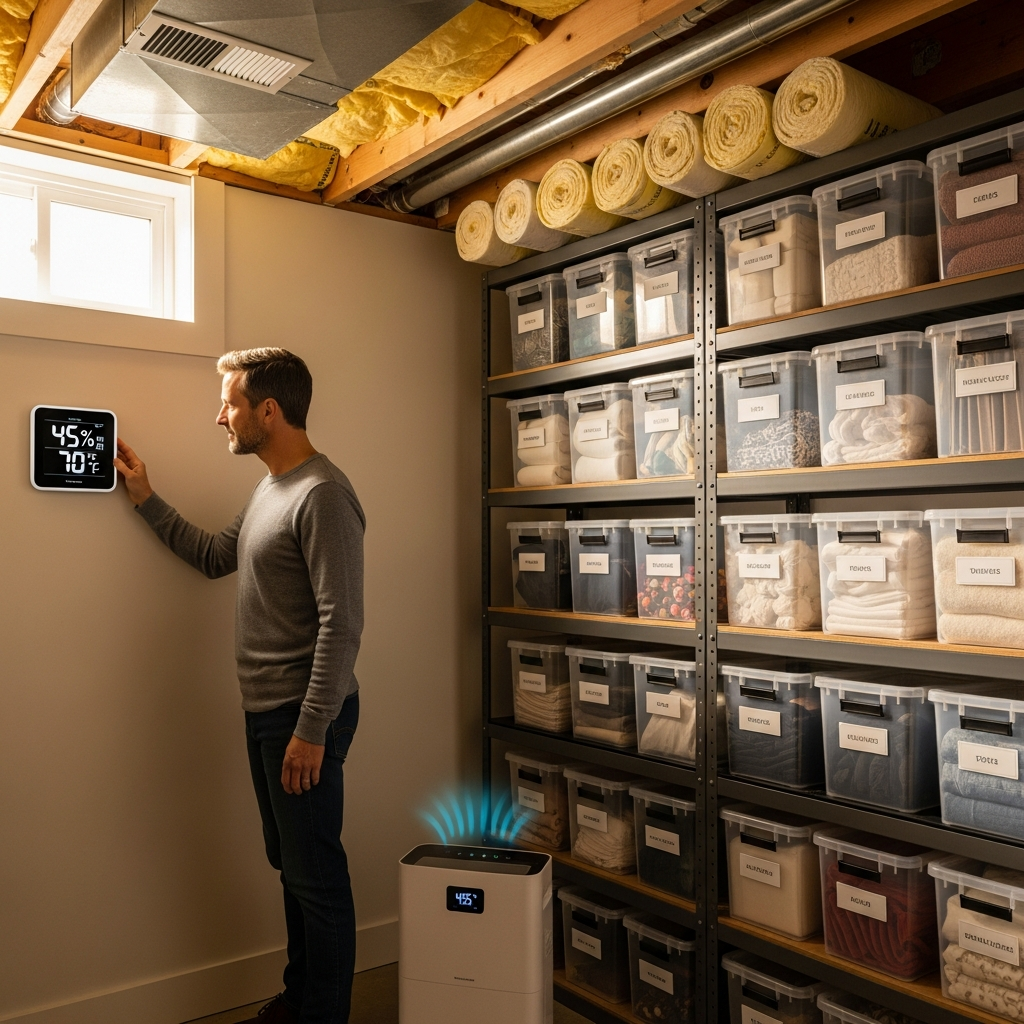
Keeping mold odors at bay in Bloomfield, New Jersey is less about one-time fixes and more about steady, seasonal habits. Moisture rides in with weather shifts, daily routines, and even how we store belongings. A structured maintenance process helps you stay ahead of humidity, protect porous materials, and keep air moving. As you set up your routine, it may help to bookmark a reliable mold odor reference so you can quickly review best practices throughout the year.
The best maintenance plans combine prevention, monitoring, and rapid response. By measuring humidity, managing ventilation, and addressing small problems immediately, you minimize the odds that musty odors return or intensify. Think of this as a homeowner playbook you revisit as seasons change.
Seasonal Maintenance Framework
- Spring Reset
- Inspect basements and crawlspaces following snowmelt and early rains.
- Service sump pumps and clear exterior drains and gutters.
- Test bathroom exhausts and verify exterior discharge.
- Summer Humidity Control
- Run dehumidifiers to target 45–50% RH indoors.
- Keep interior doors open for airflow and use ceiling or box fans strategically.
- Check for condensation on cold water pipes; insulate as needed.
- Fall Weatherization
- Seal exterior penetrations and ensure downspouts extend away from the foundation.
- Clean dryer vents and confirm tight connections.
- Evaluate attic insulation and ventilation balance.
- Winter Vigilance
- Watch for window condensation and wipe sills regularly.
- Limit indoor line-drying or add ventilation if necessary.
- Run exhaust fans after showers and cooking to control humidity spikes.
Weekly and Monthly Tasks
- Measure RH in at least three rooms and log the results.
- Open closets and rotate stored items to prevent stagnant air pockets.
- Vacuum carpets and rugs thoroughly; clean entryway mats and replace when saturated.
- Inspect under-sink cabinets and around appliances for drips.
- Empty and clean dehumidifier buckets or maintain drain lines.
Airflow and Ventilation Strategy
Sustained airflow is your ally. Ensure supply vents and returns are not blocked by furniture or drapes. Use exhaust fans for 20–30 minutes after showers or cooking. In finished basements, consider adding a balanced ventilation solution if humidity remains elevated even with dehumidification. If you rely on window AC units, clean filters frequently to prevent musty recirculation.
Porous Material Management
- Choose plastic bins over cardboard for basement storage.
- Elevate items off concrete floors using shelving.
- Replace heavily affected rugs or carpet padding if odors persist after cleaning.
- Launder shower curtains and washable bathroom textiles regularly.
Early-Warning Indicators
- Odor spikes after rainstorms or laundry days
- Repeated condensation on windows or pipes
- Discoloration on baseboards or bubbling paint
- Slow dryer times indicating vent restrictions
Midyear Self-Audit
Twice each year, run a full walkthrough: sniff-test basements, closets, and bathrooms; measure humidity; check fans; inspect plumbing; and review your storage. If you discover recurring trouble in a room, tighten your process there: add a dedicated dehumidifier, upgrade exhaust ducting, or reorganize storage to enhance airflow. During this audit, it can be useful to revisit a concise mold odor checklist to ensure no steps are skipped.
Response Plan for Minor Incidents
- Stop moisture at the source.
- Dry within 24–48 hours using fans and dehumidifiers.
- Clean non-porous surfaces with mild detergent; avoid oversaturating.
- Discard unsalvageable porous items that hold odors.
- Reevaluate ventilation and RH after cleanup.
When Maintenance Meets Its Limits
Even excellent routines cannot overcome structural water entry, failed drainage, or significant concealed contamination. If musty odors persist despite diligent maintenance, consider a professional assessment. Moisture mapping, thermal imaging, and targeted opening of walls can reveal hidden sources that routine care cannot reach.
FAQ
Q: What RH is best year-round? A: Aim for 40–50% indoors, letting it drift slightly with comfort and outdoor conditions.
Q: How long should I run a bathroom fan after a shower? A: Around 20–30 minutes, and confirm the fan exhausts outdoors.
Q: Are indoor plants a problem? A: Overwatering and saturated drip trays can contribute to humidity; manage carefully.
Q: Do scented products remove musty odors? A: They mask smells but do not address the underlying moisture or materials.
Q: How often should I clean a dehumidifier? A: Rinse filters monthly and sanitize reservoirs to prevent biofilm odors.
Q: Can I keep cardboard boxes in the basement? A: Use plastic bins with lids instead; cardboard readily absorbs moisture and odors.
Q: When should I call a professional? A: When odors persist after 48–72 hours of drying and ventilation, or when you suspect hidden leaks or structural moisture.
Make Fresh Air a Habit in Bloomfield
Consistency is the secret. Keep humidity in range, move air, and respond quickly to spills or leaks. Over time, these habits create a resilient home that resists musty smells. If you want a simple nudge to stay on track, build your calendar around a practical mold odor routine and enjoy a cleaner, fresher living space.