
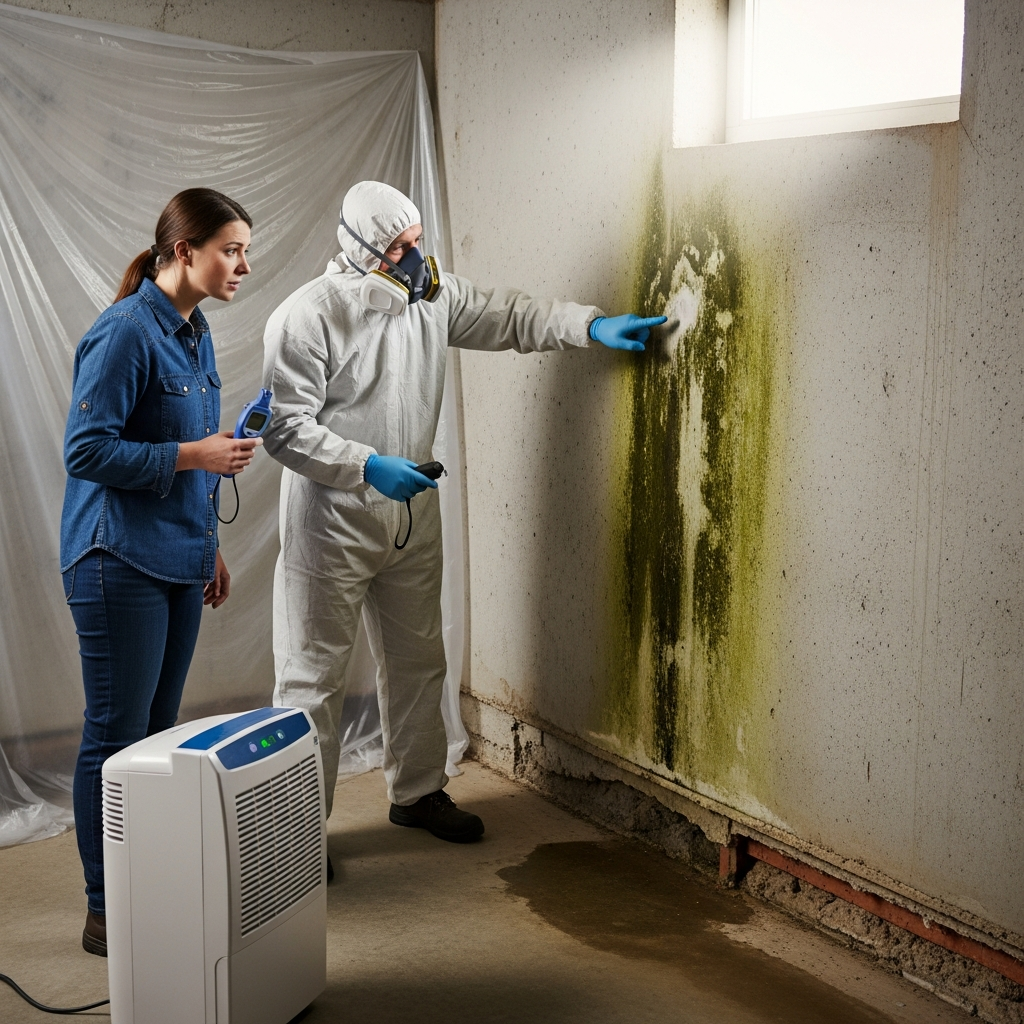
Deciding when to hire professional mold removal in Bloomfield, New Jersey often comes down to scope, safety, and certainty. Mold is a symptom of moisture, and Bloomfield’s mix of basement humidity, aging plumbing, and storm-driven leaks can make a small issue expand quickly. Some minor, hard-surface spots can be handled by careful homeowners, but other scenarios clearly call for professional intervention. This guide explains the warning signs, the advantages of bringing in experts, and what to expect from a competent remediation process. If you already suspect a larger issue, many residents start by consulting reliable mold removal services for a clear plan of action.
Signs You Should Call the Pros
- Widespread Growth: Visible mold across multiple rooms or covering large wall sections suggests extensive moisture and potential hidden damage.
- Recurring Odors: A musty smell that returns after cleaning hints at concealed moisture in wall cavities, subfloors, or HVAC systems.
- Recent Water Events: Flooded basements, roof leaks, or burst pipes that were not dried quickly increase the risk of hidden growth.
- Porous Materials Affected: Carpeting, drywall, insulation, and ceiling tiles absorb moisture and are difficult to clean thoroughly.
- Sensitive Occupants: Infants, older adults, or individuals with respiratory sensitivities warrant a more cautious approach with professional containment and filtration.
What Professionals Bring to the Table
- Comprehensive Assessment: Moisture mapping and thermal imaging to find the full scope of the issue.
- Disciplined Containment: Barriers and negative air pressure to prevent cross-contamination.
- Proper Removal and Cleaning: Differentiating what to remove versus what to clean, with HEPA vacuuming and repeat cleaning as needed.
- Controlled Drying: Dehumidifiers and air movers to reach dry standards, verified with meters.
- Documentation: Photos, readings, and a clear record of actions taken for your files.
Common Bloomfield Scenarios
- Basement Humidity: Summer dew points and ground moisture make basements a prime area for growth if not dehumidified.
- Attic Condensation: Inadequate ventilation and air leaks can lead to dark staining on roof sheathing in winter.
- Bathroom Venting: Fans that exhaust into attics or crawlspaces trap moisture where mold can thrive.
- Window Condensation: Repeated winter condensation can support mold on sashes and surrounding trim.
DIY vs. Professional: Making the Call
If the affected area is limited, on non-porous surfaces, and you can isolate the work zone, DIY may be reasonable. However, if you cannot identify the source, if the problem returns, or if demolition is required to access cavities, professional help is warranted. Timely intervention prevents a recurring cycle of surface cleaning without solving the moisture problem.
What a Typical Remediation Looks Like
- Inspection and Scope: Identify the source and define the affected areas.
- Containment: Set up barriers and negative air pressure to protect the rest of the home.
- Removal and Cleaning: Remove damaged porous materials and clean remaining surfaces with HEPA vacuuming and appropriate methods.
- Drying: Use controlled drying to achieve target moisture levels.
- Verification: Confirm dryness and cleanliness before removing containment.
Good communication is a sign of a quality provider. They should explain each step, give you options when feasible, and adjust if new information surfaces mid-project. In the middle of your decision-making process, it can be helpful to review trusted information about professional mold removal so you know what to expect and how to evaluate proposals.
Preventing Future Mold After Remediation
- Keep indoor humidity between 30 and 50 percent.
- Vent bathrooms and kitchens outdoors and run fans long enough to remove moisture.
- Maintain gutters and downspouts, and ensure grading slopes away from the foundation.
- Address attic ventilation and air sealing to minimize winter condensation.
- Respond quickly to leaks and spills to limit moisture absorption.
Frequently Asked Questions
Will insurance cover professional mold removal? Policies vary. Coverage often depends on the cause and timing of the water event. Keep detailed records and speak with your insurer.
Do I need to leave my home during remediation? It depends on scope and location. With proper containment, many homeowners remain on-site, though some prefer temporary relocation for comfort.
How long does the process take? Smaller projects may take a couple of days; larger or more complex situations can require more time to achieve dry standards.
Is testing necessary? Not always. Many cases proceed based on inspection and moisture findings. Testing may be helpful for documentation or to guide decisions in complex situations.
How do I know the job is done right? Look for clear documentation, dry readings, clean surfaces, and, when applicable, third-party verification.
Take Confident Action Today
If signs point to a larger issue, do not wait for seasonal humidity to make conditions worse. Hire a team that prioritizes containment, moisture control, and thorough verification. For prompt guidance and dependable results, connect with experienced mold removal professionals and protect your Bloomfield home with confidence.