
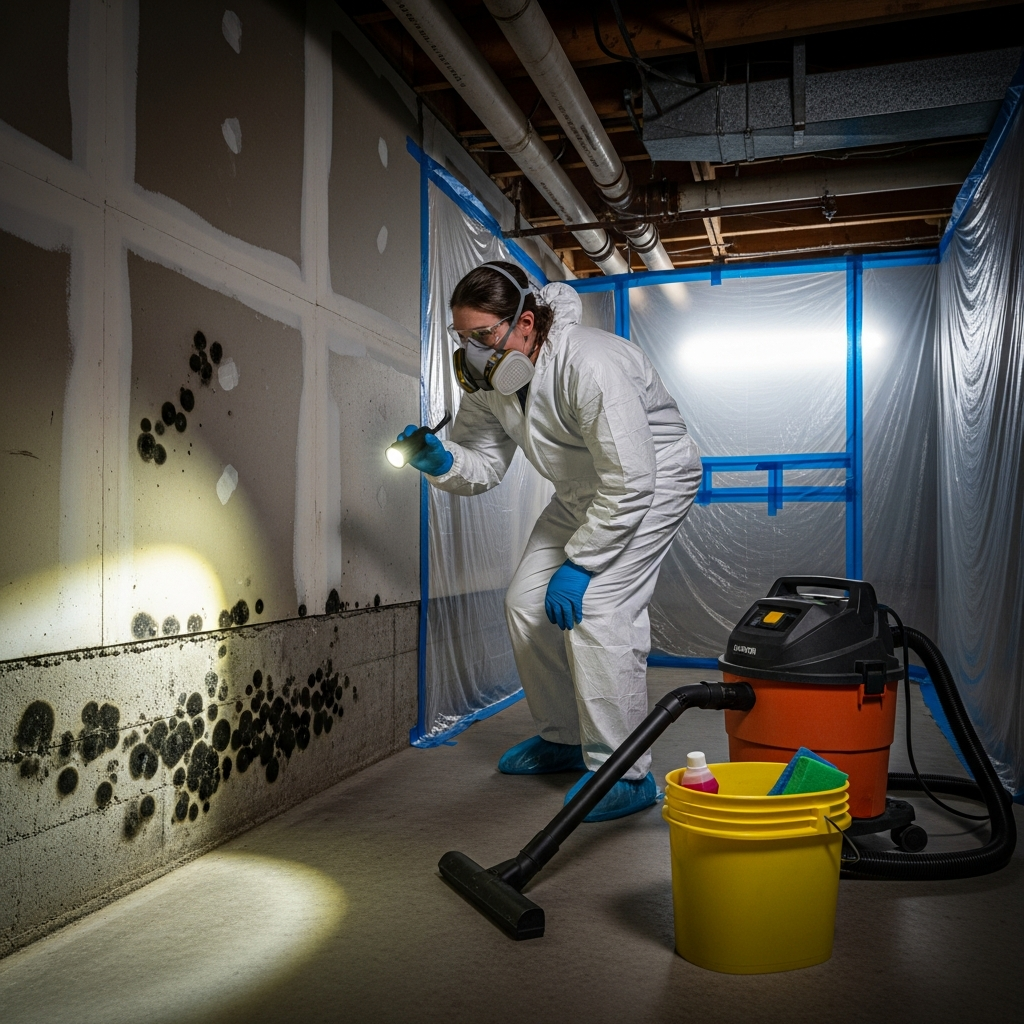
Conversations about “black mold” can spark understandable concern for Bloomfield, New Jersey homeowners. The term often refers to certain dark-colored species, including those associated in popular media with strong, musty odors and water-damaged materials. While color alone does not determine toxicity, visible dark growth is a clear sign that moisture has persisted long enough to allow colonies to take hold. The right response blends calm, evidence-based steps with appropriate protection and moisture control. Whether the staining appears in a damp basement corner, under a leaky bathroom, or along attic sheathing, the core principles remain the same: fix the water problem, remove contamination safely, and verify dryness before rebuilding. For situations that exceed light surface cleaning, many residents begin with a consultation for professional mold removal so the cleanup plan matches the building’s actual conditions.
In Bloomfield, older housing stock, four-season weather, and dense neighborhoods create a variety of moisture pathways. Foundation seepage after storms, condensation on cold surfaces, and plumbing leaks behind walls can all fuel growth. Understanding the cause will tell you whether your response involves ventilation improvements, insulation changes, leak repair, or humidity control. Panic is never productive; a methodical approach restores safe, normal conditions without unnecessary disruption.
Health Considerations: What We Know
Sensitivity to mold varies widely. Many people experience irritation—sneezing, cough, itchy eyes—when exposed to spores and fragments. Individuals with asthma or allergies can find symptoms worsen in contaminated spaces. Musty odors can signal volatile compounds associated with damp environments, which are unpleasant and sometimes irritating. While it is important to protect yourself and your household, keep in mind that health effects typically diminish quickly once the source is removed and the environment is dried and cleaned. For specific medical concerns, speak with a healthcare professional; at the home level, focus on eliminating moisture and contamination to reduce exposure.
Identifying Black Mold vs. Other Growth
Because different species can look similar, visual inspection alone rarely identifies the organism with certainty. What matters most for cleanup is the presence of moisture and organic material supporting growth. Whether the stain is dark green, gray, or jet black, treat it as a sign of dampness and address it with appropriate caution and thoroughness. Laboratory testing can answer identification questions in special cases, but most residential projects focus on source control and removal of impacted materials.
Personal Protection and Containment
When cleaning, protect yourself with an appropriate respirator, gloves, and eye protection. Limit airflow that could spread particles by turning off central air circulation in the work zone and closing supply and return vents. For larger jobs, consider establishing simple containment to keep dust confined, and plan a single entry and exit path. Bag and seal debris before moving it through living areas. Keep children, pets, and sensitive individuals away from the work area until it has been cleaned and dried.
Step-by-Step Cleanup Process
Start with the source. Repair leaks, correct grading and gutter issues, or reduce indoor humidity as needed. Next, evaluate materials. Non-porous items—glass, metal, sealed tile—are usually cleanable. Semi-porous framing and subflooring can often be saved after careful cleaning and drying. Porous items like drywall, carpet pad, and certain ceiling tiles are commonly removed once they are visibly contaminated. HEPA vacuum surfaces to collect loose particulate, then scrub with a detergent solution, paying attention to corners and crevices. Rinse or wipe residues and allow thorough drying with dehumidification and airflow. Return to the area with a bright light to confirm cleanliness before rebuilding or replacing finishes.
Where Black Mold Commonly Appears in Bloomfield Homes
Basements with seepage often show dark staining along base plates, on the lower edges of drywall, and around foundation cracks. Bathrooms can hide contamination under vanities, behind tile backer where a tub or shower has leaked, and on the ceiling if fans are underused. Kitchens sometimes reveal hidden growth under sinks or behind dishwashers. Attics may show dark patches on sheathing near eaves when ventilation is blocked. Each location points to a distinct moisture pathway, so let the location guide your prevention plan.
Moisture Control: The Lasting Fix
Without moisture control, cleanup is temporary. In basements, extend downspouts, maintain gutters, and consider dehumidification as part of routine operation. Seal plumbing leaks quickly and insulate cold water lines to limit condensation. In bathrooms, run exhaust fans long enough to clear humidity and verify ducts discharge outdoors. In attics, balance intake and exhaust ventilation and air-seal the attic floor to stop warm, moist air from escaping. These actions not only protect against regrowth but also support better indoor comfort and energy performance.
When to Bring in Professionals
If growth is extensive, materials are saturated, or the source is unclear, experienced pros can accelerate recovery. They provide moisture mapping, calibrated drying, and safe removal techniques with appropriate containment. Multi-room or whole-basement projects, contamination in HVAC ducts, or structural repairs are all strong candidates for outside help. Homeowners who prefer a single point of accountability often find value in a team that can integrate source repair, cleanup, and verification under one plan.
While many small projects are manageable, some properties benefit from a coordinated approach that includes documentation and third-party verification. If you are balancing work, family needs, and a complex cleanup, coordinating with a local provider who specializes in black mold removal can simplify decisions, maintain safety, and ensure that underlying moisture issues are corrected before the area is closed up.
After Cleanup: Verification and Rebuild
Verification starts with your senses and tools. The area should smell neutral, not musty. Moisture readings should return to normal for the material type and season. Visually, surfaces should be free of residue when illuminated from multiple angles. Only then should you rebuild. Consider materials that resist moisture where appropriate, and maintain ventilation and dehumidification to protect the improvements you just made.
Special Considerations for Families and Sensitive Occupants
Plan work timing to minimize disruption. If a nursery or bedroom shares a wall with a remediation zone, create extra separation, use enhanced containment, and schedule noisy tasks at convenient times. Communicate daily progress and maintain a clean path for any necessary access. Short-lived inconvenience is worth the long-term security of a dry, clean home.
Common Misconceptions
First, darkness of color does not automatically equal a specific species; many molds appear black under certain conditions. Second, strong chemicals are not a substitute for removal and drying. Third, painting over stains is not a fix; it can trap moisture and conceal a growing issue. Lastly, small problems do not stay small when moisture persists—swift, measured action is your best ally.
Frequently Asked Questions
Do air purifiers solve the problem? Portable HEPA units can reduce airborne particles temporarily, but they do not remove growth from surfaces or fix moisture sources. Use them as a supplement, not a substitute for cleanup.
Should I test before I clean? Testing can be helpful in specific cases, but most residential projects prioritize source control and removal. If you do test, use results to inform—not replace—practical remediation steps.
Is it safe to stay in the house during remediation? For small, contained projects, many homeowners remain at home. Larger jobs may warrant temporary relocation from affected rooms. Safety depends on the scope, containment, and sensitivity of occupants.
How long does cleanup take? Timelines vary based on extent and drying conditions. Many localized projects resolve in days, while larger efforts involving demolition and drying can take longer. Verification ensures the space is ready for rebuild.
Will it come back? Not if moisture is controlled. Combine leak repair, ventilation, and humidity management with thorough removal, and recurrence becomes unlikely.
Do I need to replace all porous materials? Only those that are wet, stained, or contaminated beyond surface levels. Non-porous and some semi-porous materials are often salvageable with diligent cleaning and drying.
Protecting Your Bloomfield Home Long-Term
Make moisture awareness part of routine home care. Check caulking, inspect under sinks, clean gutters, and walk your basement and attic with a bright light seasonally. Keep a simple humidity monitor in the most vulnerable areas, and react quickly to any spikes. Document what you see and fix small problems before they grow.
Take the Next Step Toward a Healthier Home
Black staining is a signal to act, not a reason to panic. With a clear plan—identify moisture, remove contamination safely, dry thoroughly, and verify—you can restore healthy conditions and peace of mind. If you prefer expert guidance from start to finish, connect with a local team that understands Bloomfield’s building styles and seasons. Reclaim your space and breathe easier by scheduling trusted support today; request proven mold removal help and move forward with confidence.