
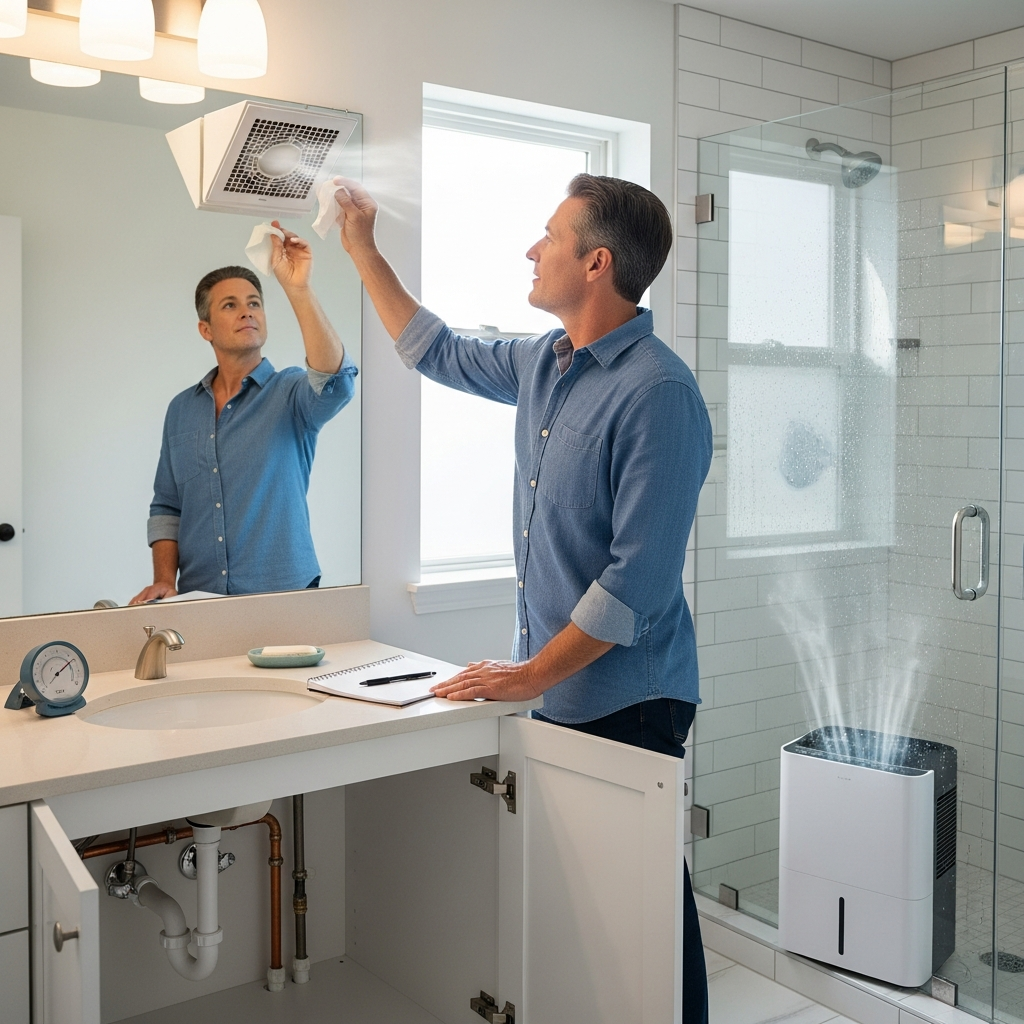
When a musty smell lingers in your Bloomfield, New Jersey home, the goal is to troubleshoot swiftly and systematically. Odors flourish where moisture hides and air stands still. By tracing how water enters, how air circulates, and how materials react, you can pinpoint the cause and take effective action. If you want a quick reference while you work, keep a concise mold odor resource handy as a guide for decisions along the way.
Troubleshooting is different from general cleaning. You are testing hypotheses: Is the smell stronger near foundation walls? Does humidity spike on rainy days? Are bathrooms or laundry areas poorly ventilated? Asking the right questions helps you isolate the true source instead of masking it with air fresheners.
Start With Pattern Recognition
- Timing: Note whether odors intensify after storms, showers, or appliance use.
- Location: Map where the smell is strongest and weakest to narrow the search zone.
- Ventilation: Identify rooms with closed doors, blocked returns, or non-functioning exhausts.
- Materials: Focus on porous items—carpets, cardboard, fabrics—that absorb moisture and odors.
Quick Diagnostic Checks
- Humidity Snapshot
- Measure RH in different rooms; anything consistently above 60% merits attention.
- Compare basement, bathrooms, and bedrooms. Differences point to hidden moisture or weak airflow.
- Water Source Audit
- Inspect plumbing under sinks, behind toilets, and around the water heater.
- Check exterior grading, gutters, and downspouts for signs of infiltration.
- Airflow Test
- Hold a tissue near supply registers and exhaust fans. Weak draw may indicate duct clogs or blocked vents.
- Confirm bathroom and kitchen fans exhaust outdoors, not into the attic or crawlspace.
Common Bloomfield Trouble Spots
- Basement corners where hydrostatic pressure forces moisture through masonry
- Attics with blocked soffits or undersized ridge vents
- Dryer vents that disconnect or terminate indoors
- Shower surrounds with failed caulk or grout
- Under-sink cabinets with slow drips from P-traps or supply lines
- HVAC systems drawing unconditioned, humid air from leaks in return ducts
Step-by-Step Troubleshooting Flow
- Eliminate Active Leaks First
- Shut off water to leaking fixtures and dry the area completely.
- Replace worn supply lines and tighten fittings. Confirm no further drips.
- Stabilize Humidity
- Deploy a dehumidifier in the worst room; target 40–50% RH if possible.
- Promote circulation by opening interior doors and moving air across corners.
- Target Porous Materials
- Remove soggy cardboard and evaluate carpets and rugs for deep odors.
- Launder musty fabrics on hot cycles and dry thoroughly.
- Address Ventilation Deficits
- Repair bathroom exhausts and verify exterior termination.
- Clear lint from dryer ducts and ensure a tight, direct path outside.
- Reassess and Iterate
- After 48–72 hours of drying, re-smell each zone. Persistent odors signal hidden moisture or contaminated materials.
Interpreting What You Find
If odors fade quickly after drying and ventilation, the issue may have been transient—high humidity, a recent spill, or short-term condensation. If smells remain, focus on materials that may be holding contamination: carpet padding, baseboards, drywall behind vanities, or wood subfloors near bathrooms. Before opening walls, consider non-invasive tools like moisture meters and thermal imaging. In the meantime, review a structured mold odor game plan to decide whether you need professional testing.
Safety While Troubleshooting
- Wear gloves and an N95 when handling musty materials.
- Avoid aggressive scrubbing that can aerosolize contaminants.
- Ventilate work areas and isolate them from the rest of the home when possible.
When DIY Isn’t Enough
Call a professional when you detect active water entry you cannot stop, odors persist despite 72 hours of drying and ventilation, vulnerable occupants are affected, or structural materials are clearly damaged. An experienced pro can conduct moisture mapping, targeted demolition, and remediation tailored to Bloomfield’s building types.
FAQ
Q: Can I rely on odor alone to confirm mold? A: Odor is a strong indicator of dampness and microbial activity, but it does not quantify contamination. Use it to guide inspections and decisions.
Q: Do ozone generators fix musty smells? A: They may mask odors temporarily and can pose risks; address moisture and material contamination instead.
Q: What RH should I aim for? A: Generally 40–50% indoors, adjusting slightly for comfort and season.
Q: Will repainting a musty room remove the smell? A: Not unless the underlying moisture and affected materials are addressed first.
Q: How do I know if carpet padding must be replaced? A: If the padding stayed wet, smells persist after drying, or moisture readings remain elevated, replacement is often warranted.
Q: Are attic odors related to indoor smells? A: They can be if duct leaks or poor air barriers allow attic air to mix with living spaces.
Take Control of Odors Today
You can troubleshoot effectively by following a clear sequence: stop water, dry thoroughly, ventilate, and reassess. If the trail leads to hidden cavities or persistent smells, do not hesitate to escalate. For a simple next step, anchor your plan with a proven mold odor approach and regain a fresh, comfortable home.