Musty odors signal moisture problems that need clear, careful action. For Bloomfield, New Jersey residents, the path to a fresh home runs through four phases: identify, dry, clean, and verify. Each step reduces the chance of recurring smells and protects the materials you value. If you want a quick reference as you work, keep a practical mold odor guide nearby to maintain momentum.
Odor removal is about more than fragrance; it is a building science process. You will manage humidity, track airflow, evaluate materials, and decide when to escalate to professional help. The steps below help you move from smell to solution efficiently and safely.
Phase 1: Identify the Source
- Map the Odor Gradient
- Start where the smell is strongest and move outward to define the zone of concern.
- Compare levels by floors: basement, first floor, then attic or upper floors.
- Check Moisture Pathways
- Review recent weather, plumbing use, and spills.
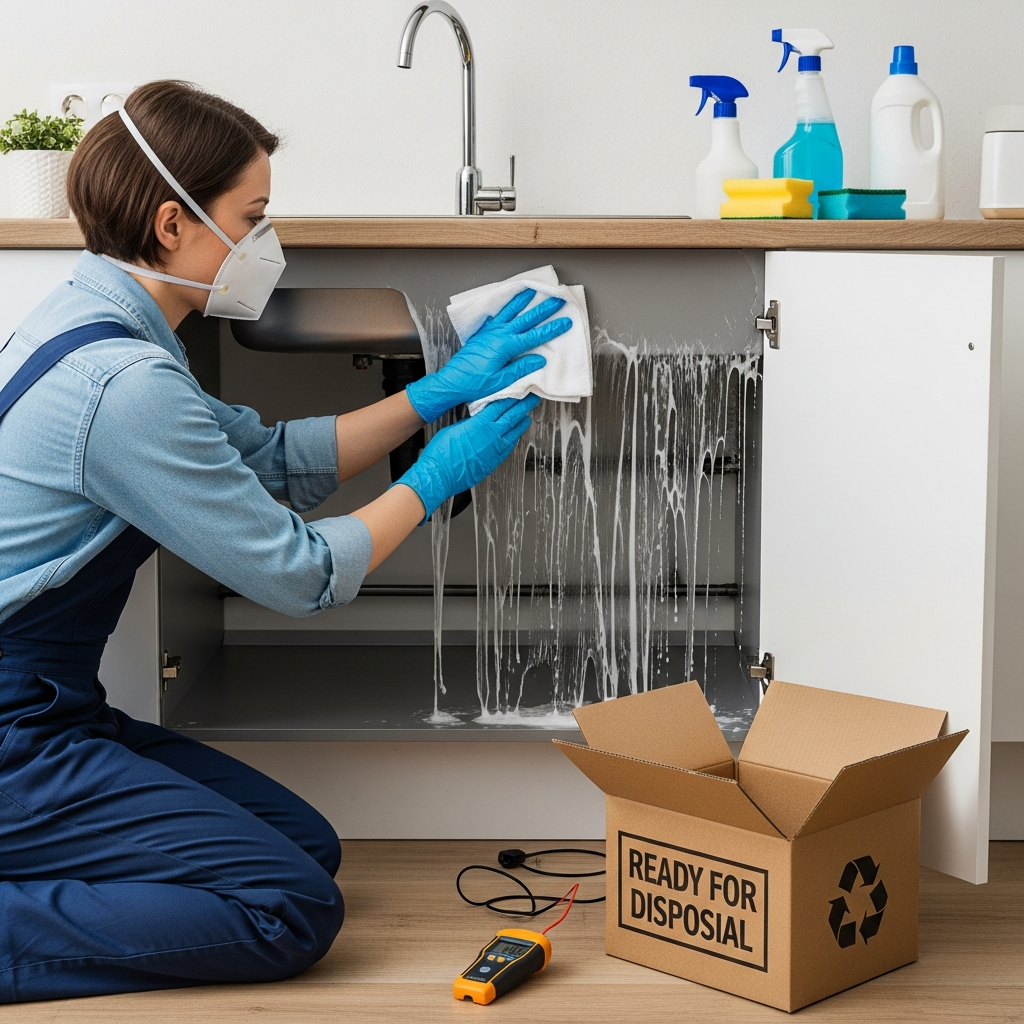
- Inspect foundation walls, under-sink cabinets, around toilets, and laundry areas.
- Test Ventilation
- Confirm that bath and kitchen fans exhaust outdoors.
- Look for blocked returns or closed interior doors restricting airflow.
Phase 2: Dry Thoroughly
- Lower indoor RH to 40–50% using dehumidifiers and HVAC.
- Promote cross-ventilation with fans and open interior doors.
- Extract water from carpets if necessary and evaluate padding for replacement.
- Insulate sweating pipes and address window condensation.
Phase 3: Clean and Remove Affected Materials
- Non-Porous Surfaces
- Use mild detergent and water; wipe and dry promptly.
- Avoid saturating large areas without active drying.
- Semi-Porous and Porous Materials
- Launder washable fabrics on hot cycles; dry completely.
- Discard musty cardboard and compromised padding or ceiling tiles.
- Targeted Demolition (If Needed)
- Open small sections of wall where readings suggest moisture.
- Remove and bag debris carefully; ventilate and contain the work area.
Phase 4: Verify and Prevent Return
- Recheck RH and confirm odor reduction over 48–72 hours.
- Seal exterior penetrations and extend downspouts.
- Set reminders to clean dryer vents and validate bathroom exhaust performance.
Bloomfield-Specific Considerations
- Basements: Hydrostatic pressure can push moisture through masonry. Consider interior drainage improvements if odors recur after storms.
- Attics: Balance intake (soffits) and exhaust (ridge/roof vents) to prevent seasonal moisture buildup.
- Older Homes: Mixed materials and hidden voids can trap humidity. Patience and careful probing help locate stubborn sources.
Safety and Good Practices
- Wear gloves and an N95 when handling musty items or demolition.
- Isolate work zones with closed doors and increased ventilation.
- Avoid harsh chemicals that might mask odors without fixing moisture.
Decision Points for Professional Help
Seek help if leaks persist, odors remain after thorough drying, or structural components appear compromised. Professionals can deploy thermal imaging, moisture meters, and containment strategies to remove contamination while protecting the rest of your home.
FAQ
Q: How long does odor removal take? A: Many homes show improvement within 48–72 hours of decisive drying and cleaning, though structural repairs may take longer.
Q: Do air fresheners help? A: They only mask smells. Target moisture and affected materials for lasting results.
Q: Can I save carpet? A: Sometimes. If padding or subfloor is saturated or smells persist, replacement may be necessary.
Q: What humidity is ideal? A: Aim for 40–50% RH indoors, adjusting with the seasons.
Q: Are attic odors related to indoor air? A: Poor air barriers or duct leaks can allow attic air to influence indoor smells. Fix both moisture and air sealing.
Q: Should I paint after odor removal? A: Only after confirming dryness and cleanliness. Use primer appropriate for the substrate once moisture is controlled.
Restore Freshness with Confidence
Clear steps drive clear results: identify, dry, clean, and verify. If your progress stalls, document what you have tried and consider a targeted assessment. For a straightforward roadmap you can act on today, lean on a focused mold odor plan and reclaim a fresh, comfortable home.