Top-Rated Mold Inspection Near Me in Bloomfield, New Jersey: What to Know Before You Book
Searching for a top-rated mold inspection near me in Bloomfield, New Jersey means you are ready to protect your home, health, and investment with clear answers and science-backed guidance. Whether you live near Brookdale Park, along the Third River, or in one of Bloomfield’s many historic neighborhoods, understanding how mold behaves in our climate and how a truly professional inspection works can save months of frustration. This comprehensive guide explains what top-rated really means, the exact steps an inspector should take, and the standards that separate pros from pretenders. If you are beginning your research and want a reliable starting point, consider scheduling a professional mold inspection so you can compare methods, deliverables, and timing against what you read here.
Bloomfield’s housing stock ranges from 19th-century colonials and multifamily buildings to updated capes and newer townhomes. Older basements, porous masonry, aging roofs, steam radiators, and the region’s freeze–thaw cycles create ideal moisture pathways. Add humid summers, heavy spring rains, and snowmelt, and it is easy to see why even meticulous homeowners notice musty odors or spotting on drywall, window sashes, and attic sheathing. The right inspector will not only find visible growth but also identify where water is entering, how humidity is trapped, and what building materials are driving the problem.
What Top-Rated Really Means in Mold Inspection
Top-rated is not just about online stars; it is about verifiable process, credentials, and clear reporting. In Bloomfield and across Essex County, a top-tier mold inspection service should combine building science with sampling only when it adds diagnostic value. You are seeking more than a yes/no answer—you want to know why mold is present, how to fix moisture sources, and what it will take to prevent recurrence.
- Independent, unbiased findings: The best inspectors are not trying to sell remediation; they document the problem and provide objective recommendations.
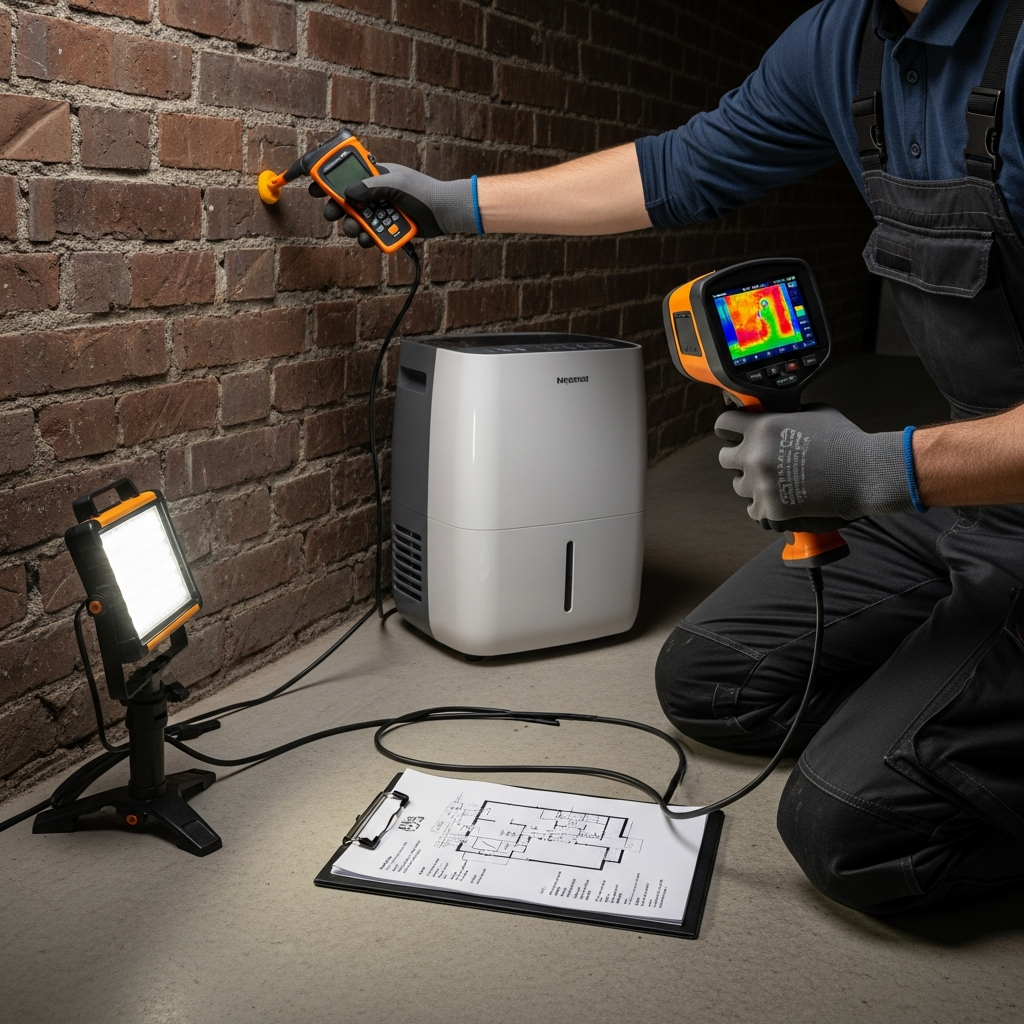
- In-depth moisture diagnostics: Infrared thermography, hygrometers, and moisture meters should be used throughout the property.
- Clear, plain-English reporting: Expect annotated photos, moisture maps, and prioritized action items.
- Standards-based approach: Methods aligned to widely recognized industry guidance and indoor environmental best practices.
- Local experience: Familiarity with Bloomfield basements, slab-on-grade additions, crawlspaces, and attic ventilation issues.
Common Mold Triggers in Bloomfield Homes
Top-rated inspectors focus on conditions, not just stains. In Bloomfield, the following patterns repeatedly show up during thorough assessments:
- Basement seepage and hydrostatic pressure along foundation walls after heavy storms
- Clogged or undersized gutters and downspouts draining too close to the foundation
- Attic condensation from inadequate ventilation and bath fan exhausts terminating in the attic
- Steam radiator or baseboard leaks leading to hidden moisture under floors
- Window condensation in winter creating chronic sill damage and wall cavity moisture
- Unvented dryers or disconnected ductwork elevating indoor humidity
- Past roof leaks that were cosmetically “fixed” without drying the assembly
When you hire a top-rated inspector, they should actively look for these issues and test suspicious areas with the right tools. They should also speak knowledgeably about Bloomfield’s older masonry, plaster and lath walls, and the differences between brick veneer and solid brick construction, all of which influence moisture behavior.
What a Top-Rated Mold Inspection Includes
While every home is unique, a comprehensive inspection in Bloomfield should cover the following:
- Client interview and history: Onset of symptoms or odors, water events, renovation history, and impacted rooms.
- Exterior survey: Grading, downspouts, leaders, driveway slope to garage or foundation, siding, window flashings, and rooflines.
- Interior walkthrough: Room-by-room review of visible staining, past repairs, and humidity contributors such as aquariums or humidifiers.
- Moisture mapping: Targeted meter readings on walls, ceilings, floors, sill plates, and around plumbing fixtures.
- Thermal imaging: Scanning for temperature differentials indicating wet insulation, leaks, or air infiltration.
- HVAC evaluation: Coil cleanliness, condensate management, duct leakage, and filter condition.
- Attic and crawlspace assessment: Ventilation, baffles, soffit conditions, bath fan terminations, vapor barriers, and insulation moisture.
- Sampling when needed: Air or surface samples to support a hypothesis, not to replace building science.
- Actionable report: Photos, moisture data, likely sources, remediation scope, and prevention plan.
Air and Surface Sampling: When They Help
Sampling is not always required. A top-rated inspector uses sampling to confirm or clarify, not to guess. For instance, air sampling may help when visible growth is absent but occupants report musty odors or symptoms. Surface sampling can differentiate staining types or document species in containment projects. In both cases, the value lies in pairing results with on-site findings. Raw counts are less important than trend interpretation, comparison to outdoor controls, and alignment with the building’s moisture story.
Insist that the report explains why samples were collected, where they were taken, and how to interpret the results. If an inspector leans on a laboratory printout without connecting it to conditions such as basement seepage or attic ventilation, you are not getting top-rated service—you are getting data without diagnosis.
Choosing the Best Inspector Near You
How do you separate true professionals from generalists when you search for top-rated mold inspections near Bloomfield? Look for visible proof of method and accountability, not just marketing language. The right company will ask you questions before the visit, prepare a plan for your specific home type, and explain how long each step will take. They should also provide a sample report upon request so you can see the level of detail you will receive.
- Ask about local experience: “How do you address Bloomfield’s older basements and plaster walls?”
- Request sample documentation: Reports with annotated photos and moisture readings.
- Confirm instrumentation: Thermal camera, pin/pinless moisture meters, hygrometers, and manometers when appropriate.
- Discuss sampling strategy: Clear reasons for each sample rather than a one-size-fits-all package.
- Verify insurance: General liability and professional/E&O.
As you evaluate options, compare their process to an independent, third-party mold inspection standard of care. The closer an inspector hews to transparent diagnostics and clear reporting, the more confident you can be in your decisions.
What the Report Should Deliver
Your final deliverable is more than a letter; it is a roadmap. A top-rated report makes it easy to act:
- Findings prioritized by severity and risk
- Moisture source identification with photos
- Room-by-room recommendations
- Ventilation and dehumidification targets
- Remediation scope with containment, removal, and cleaning details
- Post-remediation verification plan
In Bloomfield, where many homes have finished basements or attic conversions, the report should outline how to open up assemblies safely, where to focus removal, and how to ensure the area dries completely before rebuilding.
Seasonal Considerations in Bloomfield
Our region’s weather places unique stress on buildings. Spring rains overwhelm foundation drains, summer humidity drives condensation behind cool basement walls, and winter air creates window and attic moisture imbalances. Top-rated inspectors time certain tests and advise on seasonal strategies:
- Spring: Monitor sump performance, inspect for wall seeping, and confirm downspout extensions.
- Summer: Target dehumidification in basements and first floors; check AC condensate lines and coils.
- Fall: Seal attic bypasses, confirm bath fans vent outdoors, and inspect roof flashing before snow.
- Winter: Address window condensation, humidifier settings, and air sealing to prevent attic frost.
Health and Comfort: Why This Matters
Although only a medical professional can diagnose health concerns, indoor dampness is strongly associated with musty odors, aggravated allergies, and general discomfort. Top-rated inspectors stick to building forensics while acknowledging occupant concerns. They provide clear, non-alarming explanations, and they translate findings into manageable steps so you can restore comfort quickly and safely.
Working with Condos, Co-ops, and Multifamily Properties
Bloomfield’s multifamily buildings and condos add complexity around shared walls, roof systems, and association rules. A top-rated inspector understands how stack effects move moisture and odors between units, how central HVAC impacts airflow, and how to coordinate with property managers. The report should separate unit-specific issues from building-wide conditions, helping owners and boards resolve problems efficiently.
Prevention Strategies that Actually Work
Inspection is only the beginning. Prevention saves time, money, and stress. Focus on moisture control first, then materials and maintenance routines that keep indoor humidity stable:
- Grade soil away from the foundation by at least six inches over ten feet where feasible
- Extend downspouts four to six feet from the house
- Run bath fans for 20–30 minutes after showers; ensure they vent outdoors
- Maintain basement RH between 40–55% with a properly sized dehumidifier
- Seal attic air leaks around lights, chases, and pull-down stairs; maintain adequate soffit and ridge ventilation
- Fix plumbing leaks promptly and dry materials within 24–48 hours
- Use hard-surface flooring in basements and avoid padding that traps moisture
Red Flags During Your Search
Be cautious of services that promise “free inspections,” push testing packages before hearing your concerns, or guarantee lab results will “pass.” Top-rated inspectors do not guarantee health outcomes or make universal promises. They deliver clarity, not sales pressure.
Frequently Asked Questions
Q: Do Bloomfield homes with finished basements always have mold? A: Not at all. Many finished basements perform well when drainage, vapor barriers, and dehumidification are addressed. Inspection verifies conditions and guides prevention.
Q: Will an air test alone tell me everything? A: No. Air testing is a snapshot. It is most valuable when paired with moisture diagnostics and a thorough visual inspection.
Q: Can I paint over mold? A: Painting over growth without removal and moisture control only hides the symptom. Proper remediation involves source control, removal, and cleaning.
Q: How long does a quality inspection take? A: Most single-family Bloomfield homes require two to three hours on site, plus off-site analysis and reporting.
Q: What if I am buying or selling a home? A: A pre-listing or pre-purchase inspection helps avoid surprises, supports negotiations, and outlines clear next steps.
Q: Do I need to leave the house during inspection? A: Typically, no. Inspectors use non-invasive tools and work around daily routines.
Q: Will the inspector also do the remediation? A: Many top-rated inspectors focus on assessment only to maintain objectivity, then recommend qualified remediation firms as needed.
How to Prepare for Your Appointment
- Make key areas accessible: attic hatch, mechanical room, sinks, and the basement perimeter
- List recent leaks, storms, or renovations with approximate dates
- Note rooms with odors, comfort issues, or window condensation
- Gather any prior inspection or repair records
Preparation ensures a smooth visit and a more accurate, useful report.
From Inspection to Action
A top-rated inspection closes the loop between cause and cure. It explains why problems developed, what to fix first, and how to verify success. In Bloomfield’s varied housing stock, that clarity is essential. With focused, stepwise changes—improving drainage, sealing attic bypasses, tuning ventilation, and addressing wet materials—you can move confidently from uncertainty to resolution.
Ready to Protect Your Bloomfield Home?
If you are noticing musty odors, basement dampness, attic frost, or recent leaks, do not wait for the next rainstorm to make the decision for you. Schedule a professional assessment, compare the scope and reporting quality, and move forward with confidence. For an objective, methodical evaluation that turns data into a plan, consider booking a trusted mold inspection today so your Bloomfield property stays healthy, dry, and comfortable.