
If a musty smell greets you when you walk into your home in Bloomfield, New Jersey, you are not alone. High humidity, frequent rain, and older housing stock can team up to create stubborn, earthy odors that signal hidden moisture and microbial growth. This guide lays out a clear, practical plan for step-by-step mold odor removal tailored to Bloomfield’s climate and homes. From safety and moisture control to material cleaning and long-term prevention, you will learn how to eliminate the smell at its source. If you need a quick reference or expert support at any point, explore trusted mold odor removal resources to reinforce the process described below.
Why Mold Odor Demands Immediate Action
Mold odor is not just unpleasant; it is a signal. Microorganisms release gases known as microbial volatile organic compounds (mVOCs), and our noses often pick them up before we ever see visible growth. In Bloomfield, where basement seepage, wet crawlspaces, and seasonal humidity spikes are common, odors can linger even when the initial water event is long past. Addressing smell without addressing moisture and contamination simply drives the problem underground, allowing it to rebound. The right approach tackles both the odor and the conditions that enable it.
Safety First: Protect People and Pets
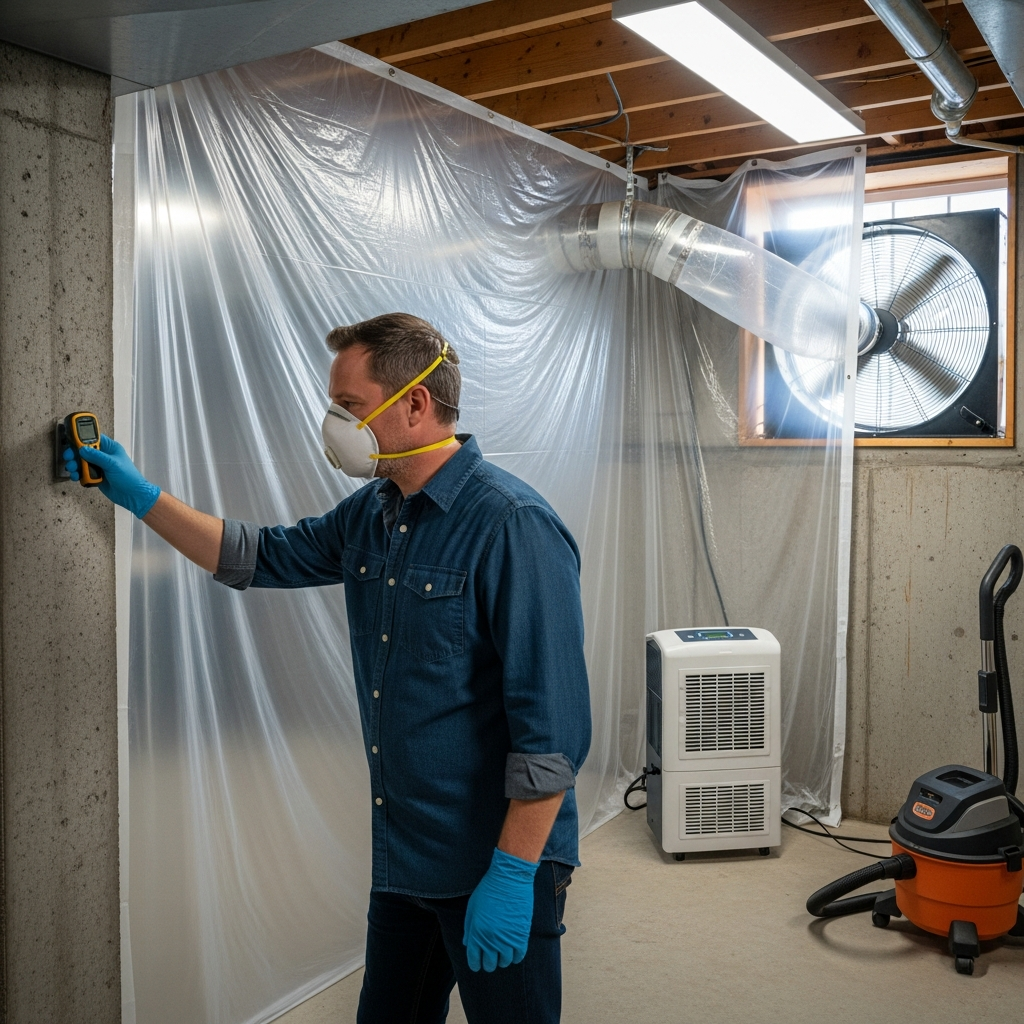
Before any cleanup, think safety. Wear gloves and a properly fitted mask or respirator rated for particulates; this reduces exposure when disturbing settled dust and spores. Keep vulnerable individuals, like those with asthma or compromised immunity, away from the work area. If the odor is overwhelming, if you see extensive visible growth, or if there was a significant flood or sewage exposure, pause and consider professional help. Your first priority is always to limit exposure while you identify and correct the source.
Step 1: Find the Moisture and the Source of Odor
Odor almost always traces back to moisture. Start with a methodical walk-through. Focus on basements, below-grade walls, bathrooms, laundry rooms, under-sink cabinets, around windows, and near exterior doors. Use your nose to “triangulate” the strongest zone, then look for clues: water staining, efflorescence on masonry, bubbled paint, rust on tack strips near carpets, or swollen baseboards. If you have a moisture meter, take readings along baseboards and at suspect corners. In Bloomfield’s older homes, pay special attention to foundation cracks, leaky hose bibs, and poorly pitched landscaping that can direct rainwater toward the structure.
Step 2: Stop Water and Stabilize the Environment
Eliminate active leaks and manage humidity. Seal plumbing drips, insulate sweating pipes, and check wax rings on toilets. In warm seasons, use dehumidifiers to keep indoor relative humidity ideally between 40% and 50%. In basements, combine dehumidification with increased air circulation, but avoid blowing across obviously moldy surfaces until they are cleaned. After storms, run fans to dry wet areas quickly. In winter, ensure bath and kitchen exhaust fans vent outdoors and run them during and after moisture-generating activities.
Step 3: Isolate the Work Zone
Containment reduces the spread of dust and odor. Shut doors or hang temporary plastic at entries to affected rooms. Turn off central HVAC to the zone you are working in, or close the supply and return registers, to avoid drawing musty air into ducts. Place a box fan in a nearby window exhausting outward, so negative pressure helps pull air from the room to the outdoors while you work. This simple step can dramatically lower the intensity of odor in the rest of the home during cleanup.
Step 4: Remove Porous Materials That Cannot Be Salvaged
Some materials hold odor even after surface cleaning. If carpet backing, padding, or fiber smells musty after drying, plan to remove and replace them. Water-damaged ceiling tiles, cardboard, and fiberboard are frequent culprits. For drywall, cut at least 12 inches beyond the last sign of staining or softness, then bag the debris carefully. When in doubt, follow your nose: if it still smells after drying and basic cleaning, it is probably still contaminated or moisture-laden.
Step 5: Clean and Deodorize the Remaining Surfaces
Vacuum thoroughly using a HEPA-capable machine to capture fine particles from floors, window sills, and baseboards. Next, wet clean hard, non-porous surfaces with a detergent solution that lifts soils. Rinse with clean water and allow to dry. On semi-porous materials such as unfinished wood framing, a careful scrub, rinse, and thorough drying can work well. Odor-targeted products are most effective when the source is removed first; think of them as a finishing step, not a substitute for remediation. Avoid heavy fragrances that merely mask musty air; fragrance can fade while the odor returns.
Step 6: Dry Thoroughly and Verify Progress
Drying is the hinge between cleanup and lasting success. Keep dehumidifiers and fans running until materials return to normal moisture content for the season. In Bloomfield’s humid months, this may take longer than expected, so be patient and measure where possible. Reassess by smell after each drying cycle. If odor persists, revisit upstream steps—there may be hidden wet insulation, a slow leak, or overlooked porous materials acting like a sponge for odor.
Step 7: Address Ducts and Airflow
Even when surfaces are clean, stale air can linger in ductwork. Replace return filters and clean grilles. If the odor was widespread or tied to a dusty event, consider a professional duct inspection. Balance airflow by keeping interior doors undercut and using bath and kitchen exhaust fans to flush humid air. This is especially relevant in Bloomfield’s shoulder seasons when AC may be off but humidity is still elevated.
Common Mistakes to Avoid
Do not rely on paint or primer to trap smell without first drying and cleaning. Do not overuse ozone generators; they can irritate lungs and damage materials when misapplied. Do not assume bleach is a cure-all on porous building materials; it may lighten stains but leave behind odor reservoirs. Do not skip containment or HEPA vacuuming; both steps are critical to preventing re-settling of odor-laden dust.
When to Bring in a Professional
Call for help if the smell is intense and widespread, if multiple rooms are implicated, if occupants have health sensitivities, or if you suspect hidden growth in wall cavities. A specialist can deploy moisture mapping, borescope cameras, and air management equipment to shorten the path to resolution. In the middle of a complex cleanup, well-timed professional mold odor services can prevent repeated trial-and-error and help you verify that moisture is under control before rebuilding.
Bloomfield-Specific Prevention Tips
Grade soil away from foundations and keep gutters clear so downspouts discharge at least several feet from the house. Seal masonry cracks and consider perimeter drainage upgrades if your basement repeatedly smells musty after storms. Use bath fans for at least 20 minutes post-shower, and run kitchen exhaust during cooking. In summer, set dehumidifiers to maintain stable humidity, and in winter, watch for condensation on windows and cold corners that signal localized moisture.
FAQs
Q: Can mold odor go away on its own? A: It can fade temporarily if humidity drops, but it typically returns unless the underlying moisture and materials are addressed. Real resolution requires source control.
Q: Is bleach recommended for eliminating mold odor? A: Bleach can lighten staining on non-porous surfaces but is not ideal for porous materials and does not address moisture. A detergent clean, rinse, and thorough drying are more reliable steps.
Q: How long should drying take? A: It depends on materials and conditions. With active dehumidification in Bloomfield’s humid months, plan for at least 48–72 hours for many assemblies, then verify by smell and moisture readings.
Q: Do I need to remove drywall if there is a musty smell but no visible mold? A: Not always. Start with moisture investigation. If cavities are wet or odor intensifies near a specific wall, targeted removal may be warranted to inspect and dry within.
Q: Will new paint seal in odors? A: Odor-sealing primers can help only after source removal and drying. Using them before remediation risks trapping moisture and driving future problems.
Breathe Cleaner Air in Bloomfield Today
If you follow this step-by-step plan—find and stop moisture, remove odor-holding materials, clean thoroughly, dry completely, and verify results—you can restore a fresh, healthy indoor environment. When you want expert guidance, advanced diagnostics, or faster results, connect with seasoned mold odor experts in Bloomfield who can help you finish the job right and keep your home smelling clean for the long term.