When a home in Bloomfield, New Jersey smells musty, the right “mold odor eliminator” is not just one bottle on a shelf—it is a strategy that matches the source, the material, and the local climate. The best solutions combine moisture control, source removal, and carefully chosen deodorizers that finish the job without masking or causing new problems. This guide compares leading approaches and shows how to choose and use them effectively in Bloomfield’s seasonal humidity. If you are building your plan and want a reliable reference for the end-to-end process, consult comprehensive mold odor removal resources while you evaluate the options below.
First Principle: Eliminate the Source Before Deodorizing
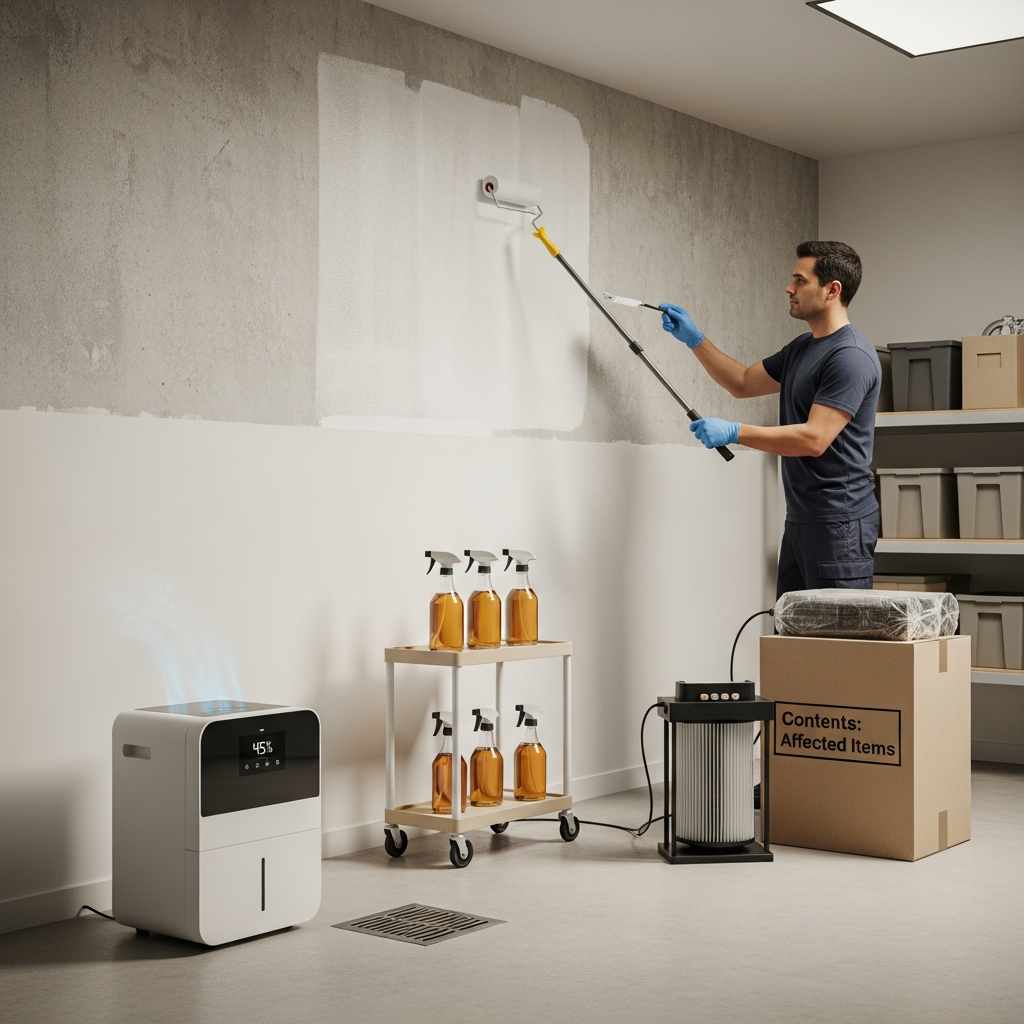
No deodorizer works on damp, contaminated materials. The first and best “eliminator” is moisture control plus removal of odor reservoirs like wet padding, musty cardboard, or damaged drywall. Once sources are gone and surfaces are dry, deodorizers can neutralize lingering compounds in the air and on cleaned surfaces.
Categories of Mold Odor Eliminators
Detergent Cleaners: These lift and suspend soils so they can be rinsed away. On hard surfaces, a detergent wash followed by clean water rinsing reduces the organic load microbes feed on, which reduces odor.
Oxidizing Agents: Carefully used, oxidizers can break down odor molecules on non-porous surfaces. They are most effective as a finishing step after cleaning and drying, not as a shortcut. Overuse can damage sensitive materials.
Enzymatic Formulas: These target organic residues and can be effective on certain biological odors. Their performance depends on proper dwell time and compatible temperature and pH. Think of them as tools for specific residues, not a cure-all.
Adsorbents and Filtration: Activated carbon and high-efficiency filters reduce airborne odor by trapping compounds as air circulates. Portable units can help during and after cleanup while deeper issues are resolved.
Sealants and Primers: After remediation, odor-blocking primers can lock in residual smells from stained but dry, cleaned surfaces. Use them only after moisture control and cleaning, and follow manufacturer guidance.
How Bloomfield’s Climate Shapes Your Choice
In warm, humid months, prioritize dehumidification to 40–50% relative humidity so eliminators can work as intended. In basements, combine air movement with ongoing moisture control. In winter, watch for cold corners that condense moisture; deodorizing without addressing condensation will yield short-lived results.
Best Practices for Using Odor Eliminators
Test small areas first to confirm compatibility and effectiveness. Apply to clean, dry surfaces whenever possible. Give products the dwell time they need, then ventilate well. Avoid heavy fragrances that simply compete with musty air. Always pair deodorizing with dust removal—HEPA vacuuming of floors, trims, and window sills reduces re-emission of odor compounds.
Room-by-Room Strategies
Basements: Control seepage and run dehumidifiers continuously in humid months. Use adsorbent filtration to scrub the air while surfaces are cleaned and dried. Apply odor-blocking primers only after verified dryness.
Bathrooms: Improve ventilation, clean grout and caulk lines, and dry damp textiles promptly. Light oxidizing products can help on tile and other non-porous surfaces after cleaning.
Bedrooms and Living Areas: Target textiles and dust. Vacuum thoroughly, launder washable fabrics, and consider a short-term portable filter to reduce airborne odor as materials dry and settle.
What Not to Use as an “Eliminator”
Strong masking fragrances that overwhelm rather than resolve odor can create indoor air quality complaints and do not address sources. Aggressive ozone treatments, when misapplied, can damage materials and irritate lungs. Bleach on porous materials may lighten stains but rarely eliminates odor, and it can leave residues that continue to off-gas.
Layering: The Real “Best” Approach
The most reliable path pairs steps: stabilize humidity, remove contaminated materials, deep clean, dry, then deodorize and filter air. This layered method outperforms any single product because it accounts for the building, the materials, and the air together. Midway through a project, if odor plateaus or you are unsure which step is missing, seek targeted mold odor solution support to align products and sequence for your specific home.
Choosing Products Wisely
Pick low-residue, low-fragrance cleaners for general use and reserve stronger chemistry for specific, compatible surfaces. Favor HEPA-capable vacuums and carbon filtration during and after remediation. When painting, choose high-quality primers designed for odor-blocking, but only after verified dryness. The “best” product is the one that fits your material and moisture status, used at the right time.
Signs Your Eliminator Strategy Is Working
Odor diminishes after drying and cleaning, not just immediately after applying a product. The smell does not rebound with humidity swings. Household members notice fresher air in the morning and after the HVAC cycles. Materials pass the sniff test up close, and dust levels drop with regular HEPA vacuuming and filtration.
FAQs
Q: Is there a single best mold odor eliminator I can buy off the shelf? A: No single product solves every situation. The best results come from moisture control, source removal, cleaning, drying, and then targeted deodorizing and filtration.
Q: Can I paint over a musty area to seal the smell? A: Only after cleanup and thorough drying. Odor-blocking primers help lock in residual odors on dry, cleaned surfaces, but they will fail if moisture remains.
Q: Do essential oils or home remedies work? A: They can add fragrance but seldom address sources. Some are compatible as a finishing touch, but they should never replace moisture and material remediation.
Q: How long should I run a portable filter? A: During remediation and for days to weeks afterward, depending on severity and dust load. Replace carbon and HEPA media per guidance to maintain performance.
Q: Will oxidizers damage my finishes? A: Misuse can. Always test first, follow labels, and prioritize gentle chemistry when possible.
Make Musty Air a Thing of the Past
The best mold odor eliminator in Bloomfield is a well-sequenced plan matched to your home’s materials and moisture conditions. Start with drying and source removal, then clean, deodorize, and filter the air. If you want a faster, more confident path to a truly fresh indoor environment, coordinate with knowledgeable mold odor professionals in Bloomfield who can help you select and time each step for lasting results.