
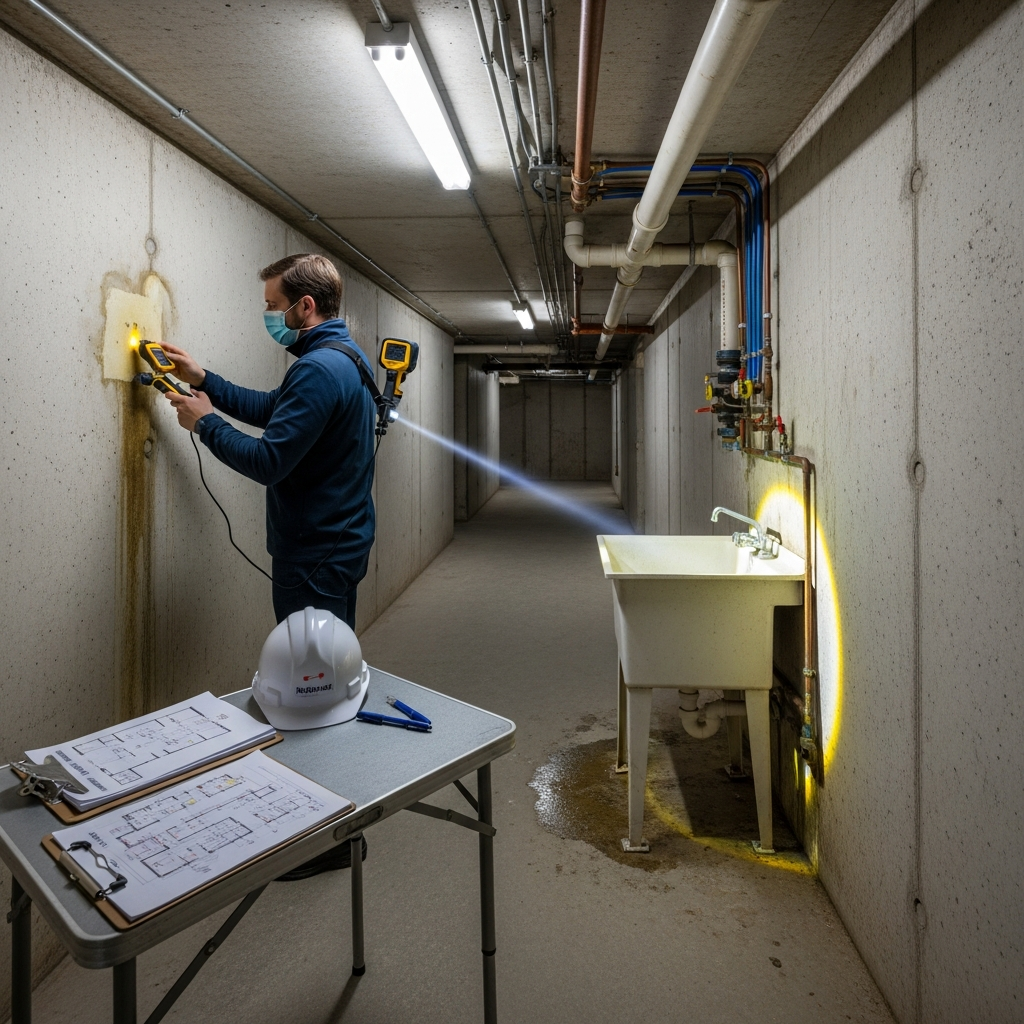
Musty air is one of the most useful early warnings in a home. In and around Bloomfield, New Jersey—where basements, storms, and seasonal humidity all play a role—a structured mold odor inspection helps you find the true source fast and avoid repeated guesswork. This guide walks you through a professional-style process you can apply yourself or use to evaluate an inspector’s approach. At any stage, if you want to align your findings with proven remediation steps, refer to trusted mold odor removal methodologies to connect inspection with action.
Inspection Mindset: Odor Is a Symptom, Moisture Is the Driver
Treat odor as a map. The smell intensifies near moisture and porous materials that can host microbial activity. Your job is to trace pathways of water and humidity until you pinpoint the reservoir. Keep notes, mark locations on a simple floor plan, and record humidity and temperature to see patterns across rooms and times of day.
Tools That Accelerate the Search
A pinless moisture meter quickly scans drywall and baseboards without leaving holes. A pin-type meter confirms readings in wood and framing. A hygrometer tracks indoor humidity; aim for 40–50% for comfort and odor control. A flashlight and inspection mirror help you see under cabinets and behind appliances. If available, thermal imaging highlights cool, potentially damp spots. These tools do not fix the problem, but they make the invisible visible.
Baseline Walk-Through and Sniff Test
Start at the entrance and move room by room, noting where odor rises or falls. Check closets, under-sink cabinets, around windows, and near exterior doors. In basements, follow perimeters and stair landings where water can pool. Open return grille doors and sniff gently; if mustiness increases, ducts may be pulling odor from a damp area. Document each hotspot for deeper investigation.
Moisture Mapping in Bloomfield Conditions
After rain, revisit the home to compare readings and smells. In summer, compare morning and evening conditions to see how humidity impacts odor. Correlate stronger smells with higher moisture readings or cooler wall sections. Use this information to narrow the search to specific assemblies—such as the base of an exterior wall, a bathroom wall shared with a shower, or a slab crack beneath carpet.
High-Yield Locations to Inspect
Basement Corners and Cold Joints: Look for efflorescence, flaking paint, or dampness along slab edges. Utility Penetrations: Check where pipes, wires, and ducts pass through foundations and exterior walls. Bathrooms: Inspect around toilets, tubs, and shower surrounds; scan adjacent walls for elevated moisture. Kitchens and Laundry: Examine supply lines, drain traps, and appliance condensate lines. Attics: In winter, look for frost or staining that indicates warm, moist air leaking from below and condensing on cold surfaces.
Inside the Assemblies
If a wall section shows persistent odor or elevated readings, consider targeted access. Remove baseboard trim to peek behind with a mirror or borescope, or cut a small inspection opening in drywall just above the baseboard line. Use caution around electrical and plumbing lines. Confirm conditions inside the cavity before planning repairs or broader removal.
Airflow and HVAC Considerations
Odor can hitch a ride on air. Leaky return ducts in a musty basement can distribute smell throughout the home. Dirty filters recirculate odor-laden dust. During your inspection, note airway connections between smelly and fresh zones. Seal visible duct gaps with mastic, replace filters, and consider professional duct evaluation if the odor seems tied to system operation.
Interpreting What You Find
Pair each odor hotspot with its most likely moisture source. A musty exterior corner often points to condensation or seepage along the foundation. Odor under a kitchen sink suggests a slow leak or past overflow. A hallway return grille that smells may be pulling air past a damp wall cavity. When you can explain the smell with a moisture mechanism and a susceptible material, you have found your actionable target.
Documentation and Next Steps
Organize your notes into a simple report: locations, moisture readings, suspected sources, and recommended actions. Prioritize stopping active water first, then stabilizing humidity, then removing or cleaning affected materials. If you are preparing to hire help, this documentation shows that you have done your homework and makes a professional visit more efficient.
When to Call a Professional Inspector
Bring in a pro if odor is widespread and intense, if multiple rooms or levels are implicated, or if you suspect hidden damage that requires safe containment to access. A qualified inspector will validate your findings, perform more detailed moisture mapping, and outline a remediation plan. Mid-inspection collaboration with experienced mold odor teams can prevent false starts and ensure that what you remove or clean is truly the source.
Common Pitfalls
Avoid jumping straight to deodorizing without moisture control. Do not assume the most smelly room is the source; air can carry odor from a different area. Do not rely solely on one reading or one time of day; patterns across conditions reveal the truth. Do not cut blindly into walls—verify utilities and make small, strategic openings.
FAQs
Q: Do I need lab testing to confirm mold if I smell mustiness? A: Not necessarily. Odor plus moisture evidence is adequate to justify repairs and remediation. Testing can be useful in complex cases or to verify clearance after work.
Q: How long should an inspection take? A: A careful walk-through with moisture mapping can take a couple of hours in an average home, longer if multiple problem areas or finished basements are involved.
Q: What if the smell is strongest near supply vents? A: Check the return side of your HVAC and the spaces surrounding returns for musty conditions. Seal duct leaks and clean or replace filters to reduce odor transport.
Q: Can I inspect during winter effectively? A: Yes. Winter often exaggerates condensation problems on exterior walls and in attics, making cold-weather inspections particularly revealing in Bloomfield.
Q: What should a good inspector’s report include? A: A narrative of findings, photos, moisture measurements, suspected moisture mechanisms, and clear recommendations prioritized by urgency and feasibility.
Move from Odor to Resolution
A disciplined inspection turns a vague musty smell into a specific, fixable problem. By linking odor to moisture and materials—and documenting what you find—you can plan efficient repairs and remediation. If you want confirmation or advanced diagnostics, coordinate with local mold odor specialists near Bloomfield who can help you finish the job and restore fresh, healthy air in your home.