
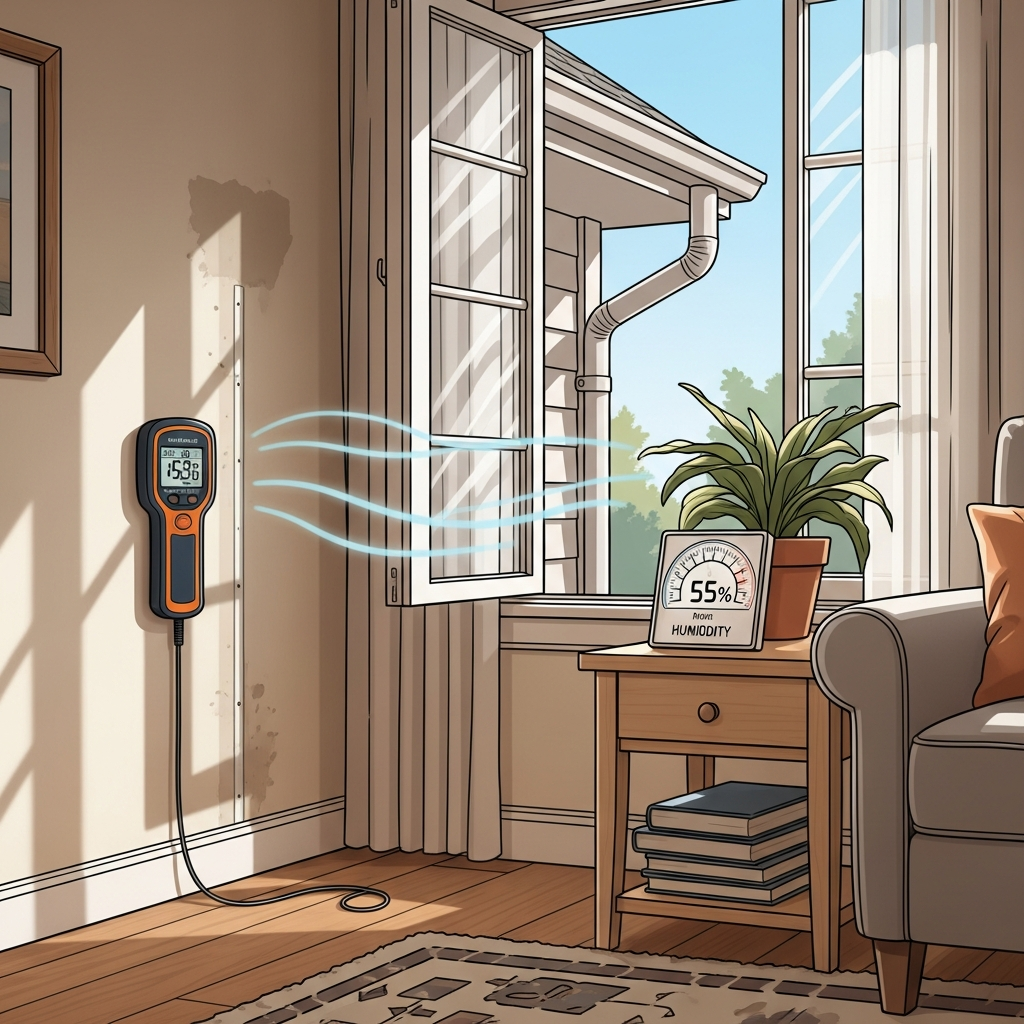
That unmistakable musty smell in a Bloomfield, New Jersey home is more than a nuisance—it is a compass pointing toward excess moisture and microbial activity. Understanding what drives mold odor allows you to fix the conditions that create it and prevent it from returning. This deep dive explains how moisture moves through buildings, how microorganisms produce odor, and which rooms, materials, and habits most often trigger the problem in Bloomfield’s climate. If you decide to go beyond diagnosis and take corrective steps, you can reinforce this guide with proven mold odor removal practices that complement the root-cause approach described here.
What Mold Odor Really Is
Mold odor comes from microbial volatile organic compounds (mVOCs), small gases released during growth and metabolism. Unlike allergens or spores, you cannot see mVOCs, but your nose can detect them at extremely low concentrations. The signature “earthy” or “old basement” smell implies that dampness has persisted long enough for microbes to colonize a surface or within a cavity. The odor can be strongest in the morning, after showers, or following rainy weather when humidity spikes.
Moisture: The Root Cause
Microbes need moisture to live and multiply. In Bloomfield, moisture enters homes via bulk water intrusion, air leaks, capillary action, and vapor diffusion. Bulk water includes roof leaks, foundation seepage, window leaks, and plumbing failures. Air leaks draw humid outdoor air into cool wall cavities where it can condense. Capillary action wicks groundwater into porous materials like concrete, and vapor diffusion moves water vapor through materials until it finds a cool surface to condense on. Any of these mechanisms can sustain dampness and maintain odor even when surfaces appear dry.
Rooms and Materials Most at Risk
Basements and crawlspaces top the list in northern New Jersey due to high water tables and storms that overload drainage. Bathrooms, laundry rooms, and kitchens follow because they generate steam and frequent splashes. Materials that tend to smell include carpet and padding, paper-faced drywall, cardboard storage boxes, exposed wood in unfinished basements, and dust-collecting fabrics like drapes. Odor often concentrates where these materials meet cool masonry or metal that encourage condensation.
Seasonal Factors in Bloomfield
Spring and summer humidity feed persistent dampness in below-grade spaces. Fall leaf debris can clog gutters, driving rainwater toward foundations. Winter brings cold exterior walls, which turn interior corners into condensation magnets when indoor humidity is too high. These seasonal swings explain why odor may wax and wane through the year without ever fully disappearing: the underlying moisture pathways remain in place.
HVAC, Airflow, and Odor
HVAC systems can either dilute or distribute odor. If return ducts run through a musty basement, they may pull odor into the entire house. A dirty return filter allows more dust—the substrate microbes love—to circulate and settle elsewhere. Poorly balanced airflow can leave certain rooms under-ventilated, incubating damp, stale conditions. Improving mechanical ventilation, keeping filters clean, and sealing duct leaks reduce both the concentration and spread of odor.
Hidden Sources You Might Miss
Inside wall cavities, under tubs, behind built-in cabinets, and beneath floating floors are classic hiding places. Insulation can hold moisture against cold sheathing. In kitchens, sink cabinets sometimes conceal slow supply or drain leaks that create a concentrated odor when the doors are opened. Appliances with condensate lines, such as high-efficiency furnaces and dehumidifiers, can leak quietly and saturate nearby materials. Even houseplants with heavy watering can moisten surrounding dust and nearby window sills.
Why Odor Persists After Cleaning
If surfaces are wiped and the smell returns, one of three issues is usually at play: lingering moisture, contaminated porous materials that were not removed, or odor captured in dust inside HVAC and on horizontal surfaces. Think of odor as a systems problem—materials, air, and moisture all interact. Truly resolving the smell requires addressing all three.
Testing and Tools That Help
While your nose is a powerful detector, simple tools sharpen the search. A pinless moisture meter speeds up scanning of walls and baseboards. Thermal imaging can reveal cold, wet corners where odor originates. A hygrometer confirms if indoor humidity routinely exceeds 50%, a red flag in Bloomfield’s warm months. Used together, these tools build a moisture map that correlates to the intensity and location of the smell.
Immediate Steps to Reduce Odor
Increase ventilation and start dehumidification to bring humidity into the 40–50% range. Replace HVAC filters and clean dust-collecting surfaces with a HEPA-capable vacuum. If the odor’s epicenter is a basement, improve exterior drainage, run a dehumidifier, and store items on shelves instead of directly on the slab. Once moisture is stable, evaluate porous materials and remove those that still smell after drying. Midway through this process, many homeowners benefit from targeted mold odor diagnostics and remediation support to confirm they are addressing the true source rather than just the symptoms.
Myths and Misconceptions
Myth: “If I cannot see mold, the smell must be something else.” Reality: Odor often precedes visible growth because it takes very little microbial activity to produce mVOCs. Myth: “A strong fragrance means the odor is gone.” Reality: Fragrance masks smell temporarily but does not change moisture or material contamination. Myth: “Bleach solves mold odor anywhere.” Reality: Bleach is best on hard, non-porous surfaces and does not remove odor trapped in porous materials like carpet backing or paper-faced drywall.
Long-Term Prevention in Bloomfield Homes
Keep gutters clear, extend downspouts, and maintain positive grading. Use bath and kitchen exhaust fans and run them long enough to clear humidity. In basements, combine air movement with dehumidification and avoid storing cardboard on the floor. Insulate cold water pipes to prevent condensation, and fix plumbing drips promptly. These simple measures break the moisture cycle that allows odor to recur.
FAQs
Q: Why is the smell worst after rain? A: Rain elevates soil moisture and humidity, which press moisture through foundations and into air leaks. As materials re-wet, microbes become more active and odor intensifies.
Q: Can air fresheners solve the problem? A: They can only mask it. Real relief comes from controlling moisture and removing contaminated materials that act as odor reservoirs.
Q: Do I need testing to confirm mold? A: Not always. Odor plus moisture signs are enough reason to act. Testing may be helpful in complex cases, during disputes, or to verify remediation effectiveness.
Q: Will running the AC more help? A: Air conditioning can lower humidity and dilute odor, but leaky ducts or dirty filters can spread smell. Pair AC use with filtration, proper ventilation, and moisture repairs.
Q: Is it safe to live with mild odor? A: Short-term exposure to mild odor is common and not always hazardous, but it signifies an indoor environment problem that should be corrected to protect comfort and building health.
Take Control of Odor at the Source
When you understand that mustiness equals moisture plus susceptible materials, the path forward becomes clear: stabilize humidity, remove reservoirs, and improve airflow. If you want confirmation that you are on the right track—or help resolving stubborn cases—partner with experienced mold odor specialists near Bloomfield who can pinpoint the cause and guide effective solutions for your home.