
Apartment Mold Odor: Unique Challenges In Bloomfield, NJ
Apartment living introduces specific constraints when you are trying to eliminate a musty, mold-like odor. Shared walls, stacked plumbing, limited mechanical ventilation, and neighbor activities can all influence indoor air quality. In Bloomfield, New Jersey, many apartment buildings date from eras when moisture control and continuous ventilation were not as robust as today’s standards. That means odors can migrate between units, linger in common hallways, and intensify during humid summer weather.
When you first notice a persistent musty smell, do not assume the source is inside your living room or bedroom. The odor may originate in a bathroom chase, under a kitchen sink, around a window AC unit, or even in the building’s shared laundry room. Your first step is to document what you smell, where, and when. Keep notes for a few days: time of day, weather, HVAC use, window position, and any water use patterns. This record helps you identify triggers and provides useful details if you need to coordinate with building management or neighbors.
Because access to building systems can be limited in an apartment, you must prioritize what you can control: ventilation, cleanliness, moisture reduction, and targeted inspection within your leased spaces. If you are new to this process, reading up on reliable mold odor removal techniques can give you a blueprint that converts concern into action.
Find The Source: A Renter-Friendly Assessment
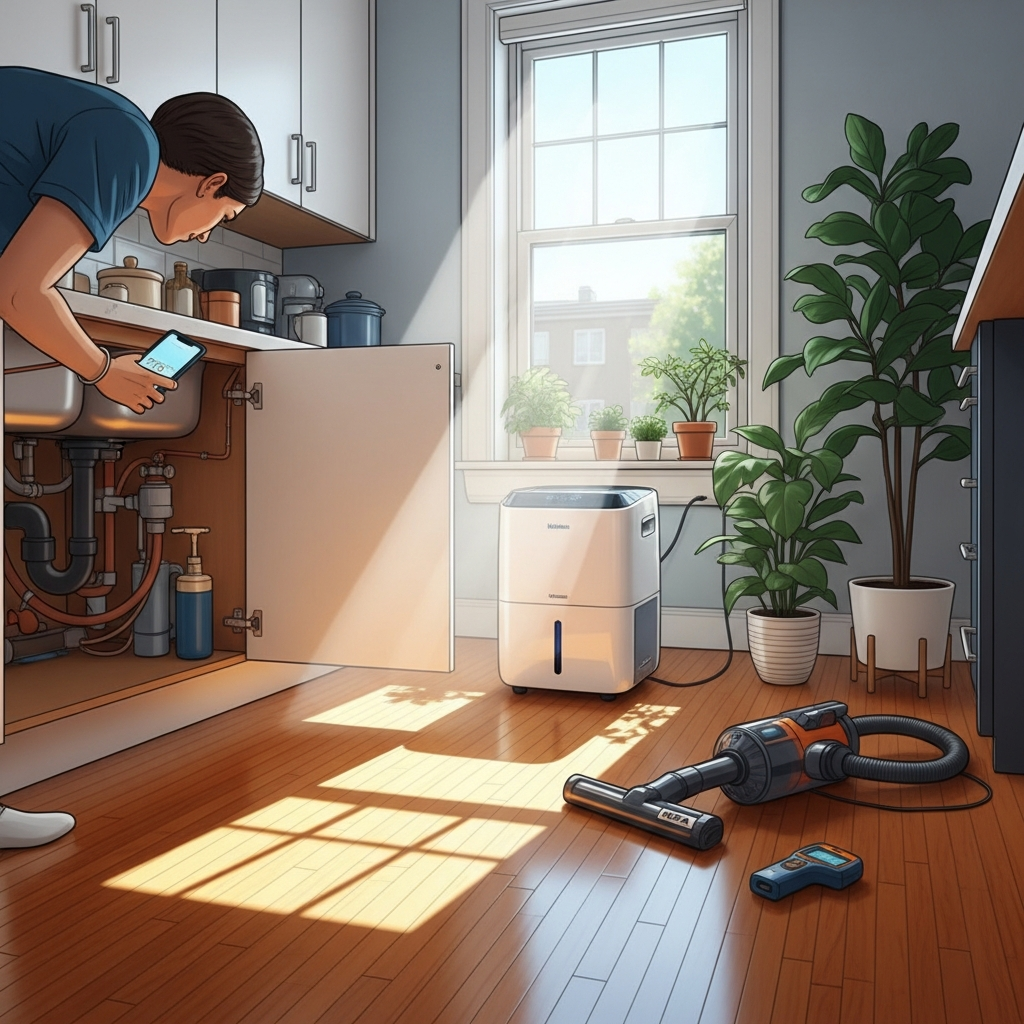
Start close to plumbing. Open sink cabinets and check for slow drips, stains, or soft wood. Run water and observe supply lines and traps. Look at caulk and grout lines around tubs and showers; missing or cracked sealant allows water to wick into drywall or backer boards. Inspect the refrigerator drip pan, dishwasher connections, and the washing machine if you have one in-unit. Pay attention to windows and exterior walls—condensation during temperature swings can moisten sills and drywall, especially in older buildings with single-pane windows.
Check closets and storage nooks. Overpacked closets can trap humidity and block air circulation, creating microclimates where odors concentrate. Move boxes away from exterior walls and off the floor. If you smell the odor most near an air register or intake, the HVAC system might be spreading it. Replace your filter with a quality pleated model that your air handler can handle without reducing airflow.
Communicate With Management
If you detect moisture you cannot fix—such as a leaking roof, a cracked exterior wall, or a pipe hidden in a chase—document it with photos and written descriptions. Notify your landlord or property manager immediately in writing. Clear, dated communication protects you and typically results in faster response times. Offer to coordinate access for maintenance and ask for temporary measures, such as a dehumidifier, if the repair will take time.
Immediate Odor-Reduction Steps You Can Do
Ventilate: Run bathroom and kitchen fans during and after moisture-producing activities. If the fans are weak or noisy without moving much air, report this to management. Open windows on dry days to exchange indoor air.
Dry: Use a portable dehumidifier set to 45–50% RH in the most affected room, draining it continuously if possible. Hang damp towels and laundry to dry outdoors or use a dryer that vents outside.
Clean: Vacuum with a HEPA-filtered vacuum to capture fine particulates. Wipe hard surfaces with a mild detergent solution and then rinse with clean water. Clean your refrigerator gasket, under the sink, around the toilet base, and along window tracks where condensation collects.
Declutter: Reduce paper piles and cardboard that absorb and hold odors. Store items in sealed plastic bins rather than porous boxes if you must keep them near exterior walls or on concrete floors in storage areas.
Bathroom And Kitchen Focus
These rooms generate the most moisture and often hide the source of odor. For bathrooms, verify that exhaust fans are ducted outdoors rather than into wall cavities or attics. Clean and reseal tub and shower joints with a high-quality caulk designed for wet locations. In kitchens, pull out the refrigerator and clean the drip pan if accessible. Inspect the dishwasher supply and drain lines for dampness. If you have a gas range, use the hood to exhaust moisture from boiling water and cooking.
Walls, Floors, And Furnishings
If you find localized moisture damage on drywall lower than 12 inches above the floor, it might be due to mopping water, pet spills, or condensation. For areas with recurrent wetness, ask management to investigate. Carpets and pads can hold odors long after spills or leaks. Ask for professional hot-water extraction if cleaning is needed beyond your capability. For area rugs, clean both sides and dry them thoroughly with fans. Upholstered furniture should be inspected and aired out in a dry, sunny room if possible.
HVAC And Air Circulation In Apartments
In many apartments, HVAC closets are tight and accumulate dust that traps odor. With the power off, gently vacuum the exterior surfaces of the air handler, change the filter, and check that the condensate line is not clogged. If your odor worsens when the AC runs, report this to management; the coil and drain pan may need servicing. To improve circulation, keep interior doors ajar and avoid blocking supply or return vents with furniture or curtains.
Moisture Management For Shared Buildings
Because neighbors’ habits can influence building-wide humidity, you might notice mustier odors during weekends or holidays when more people are at home. Offsetting this effect requires consistent ventilation and dehumidification. If your building’s envelope is leaky, exterior humidity can intrude during summer. A dehumidifier, routine fan use, and diligent leak reporting are your allies. Plants and aquariums can also increase indoor humidity; manage them carefully.
As you progress through this plan, you may want confirmation that you are following best practices. Reviewing professional checklists for mold odor experts can help you compare your approach to building-wide strategies and understand when to escalate a concern.
When Your Neighbor’s Leak Becomes Your Odor
Odors often travel through pipe penetrations, electrical chases, and under doors. If the unit above has a slow tub leak, your ceiling may not show visible staining for weeks, yet the smell appears early. Communicate promptly and ask management to inspect above and below any suspected area. Temporary containment, such as plastic over doorways, can help keep the odor out while repairs are arranged, but the long-term fix must address the leak.
After The Odor Is Gone: Keep It That Way
Continue to run fans after showers, keep RH below 50%, and clean dust regularly. Replace HVAC filters on schedule and vacuum return grilles. Store off-season clothing in breathable garment bags and avoid packing closets to the brim. Periodically sniff-test hidden areas, like behind furniture on exterior walls, so you can catch small problems before they grow.
Frequently Asked Questions
Q: Can I eliminate mold odor without landlord involvement? A: You can reduce odors caused by humidity and light surface contamination, but leaks inside walls or building systems require management intervention.
Q: Are air purifiers helpful? A: HEPA air purifiers can reduce particulates and some odor compounds, but they work best alongside humidity control and source removal.
Q: What if the odor is strongest in the hallway? A: Hallway odors can infiltrate apartments through gaps around doors and chases. Weatherstrip your entry door and use a door sweep. Report persistent hallway odors to management.
Q: Is bleach the best option? A: Detergent cleaning and thorough drying are safer and often more effective for long-term odor reduction, especially on porous materials where bleach cannot penetrate.
Q: How fast should management respond to leaks? A: Promptly. Leaks should be stabilized immediately and repaired as quickly as possible to prevent building-wide impacts and long-term odors.
Q: Are deodorizers enough? A: They provide temporary relief but can hide problems, delaying proper fixes. Use them sparingly, if at all, and only after cleaning and drying.
Q: Can I be held responsible for odor damage? A: Review your lease. Most leases hold tenants responsible for negligence within their apartment but not for building system failures. Documentation protects everyone.
Renter’s Maintenance Checklist
- Run bathroom and kitchen exhaust fans consistently, especially during humid weather.
- Track relative humidity with a hygrometer and keep it under 50%.
- Inspect under sinks and around appliances monthly for slow leaks.
- Replace HVAC filters on schedule and keep vents unblocked.
- Report leaks, weak fans, or recurring condensation to management in writing.
- Store items in sealed bins rather than cardboard, especially near exterior walls.
Breathe Easier In Your Bloomfield Apartment
Musty apartment odors can be stubborn, but they yield to a careful blend of moisture control, cleaning, and cooperative building management. If you want added assurance or on-site support, contact trusted local mold odor solutions resources so you can restore fresh, healthy air and enjoy your space with confidence.