
Understanding Mold Odor In Bloomfield, New Jersey Homes
Mold odor in a home is more than just an unpleasant smell; it is often a sign that moisture and biological growth are present behind walls, beneath floors, in crawlspaces, or inside HVAC components. In Bloomfield, New Jersey, seasonal humidity, coastal weather influences, and older housing stock can combine to create perfect conditions for persistent, musty odors. Homeowners who act quickly and methodically can remove the smell and address the root causes before they grow into larger structural or health concerns.
If you have just noticed a damp, earthy scent after a storm or while running the air conditioner, the first priority is to identify where excess moisture is coming from and how long it has been present. Because odor molecules can travel far from the source, you might smell the problem in a hallway yet find the growth behind a bathroom vanity or in the basement rim joist. This guide explains how to safely locate the source, reduce the odor, remove contamination, and stop it from coming back.
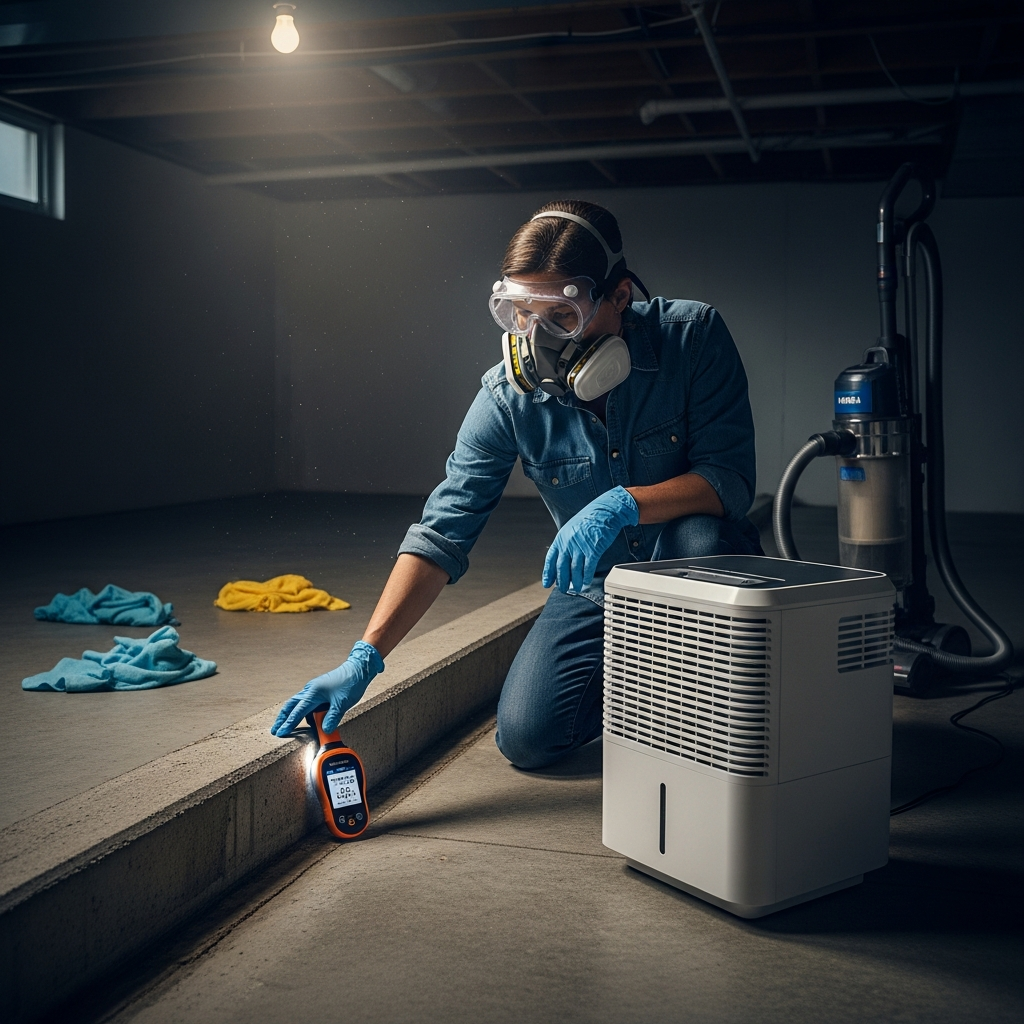
Before you begin, gather basic protective gear and supplies, including gloves, goggles, and a respirator rated for particulates. Plan on proper ventilation during cleaning and keep pets or sensitive individuals away from affected spaces until odors have dissipated. Throughout this process, think of the odor as a symptom; your goal is to cure what is causing it, not just mask it with fragrances or sprays.
For homeowners who prefer a structured plan or who want to compare their efforts with professional standards, researching proven mold odor removal methods can help you anticipate each step—from source detection to post-cleanup verification—and avoid common mistakes that prolong smells.
Why Mold Odor Happens In Local Homes
Bloomfield’s climate includes humid summers, cold winters, and frequent freeze-thaw cycles. These changes stress building materials and can reveal weaknesses that allow moisture to intrude. Common sources include roof leaks around flashing, basement seepage during heavy rains, condensation on cold water lines, dripping P-traps beneath sinks, clogged AC condensate drains, and poorly vented bathrooms or laundry rooms. Even small leaks can maintain a damp microclimate where spores thrive and release volatile organic compounds that your nose recognizes as that familiar musty scent.
Odor intensity is not always proportional to the visible size of growth. A small but active colony inside a wall can smell stronger than a large, dried-out patch on a surface. Additionally, porous materials like drywall, carpet padding, and unfinished wood can absorb odors, releasing them slowly even after you address the original moisture. That is why a comprehensive approach that includes moisture control, cleaning, and ventilation is crucial.
Health And Indoor Air Considerations
Musty odors signal that the indoor environment is out of balance. While individual sensitivities vary, prolonged exposure to damp conditions can irritate airways and aggravate allergies. Children, elderly residents, and people with respiratory conditions may be more susceptible. When addressing odor, prioritize safety. Use a well-fitted respirator, open windows when weather permits, and avoid dry-brushing or aggressive demolition that can aerosolize dust. If you encounter a large or complex problem—especially one involving contaminated HVAC systems or extensive porous materials—consider pausing and seeking guidance.
Initial Assessment: Trace The Source
Begin with a structured walkthrough. Move slowly from the lowest level of the home upward, since basements and crawlspaces often hide moisture. Use your nose, but also look for secondary signs: water stains, peeling paint, bowed baseboards, swollen trim, rusted fasteners, efflorescence on masonry, and darkened joists. Check plumbing under sinks, around toilets, at the water heater, and near washing machine hoses. Inspect the attic for roof leaks, wet insulation, or daylight at penetrations.
Moisture meters and humidity gauges can help. A surface moisture meter can reveal dampness in walls or baseboards that look normal. A hygrometer lets you track relative humidity (RH); aim for 40–50% indoors. Persistent RH above 60% supports odors. If RH is elevated, ask why: Is the dryer vent misconnected? Is the bathroom fan weak or not vented outdoors? Does the AC short-cycle without adequately removing humidity? The answer often points to the odor’s origin.
Safety And Containment
Once you locate a suspect area, set up light containment to limit cross-contamination. Close doors, cover supply and return vents in the workspace, and create airflow to the exterior with a window fan if practical. Wear gloves, eye protection, and a respirator. Place a doormat or disposable floor covering at the entry to your work area to avoid tracking debris through the house. Keep trash bags ready so you can bag and remove porous waste as you work.
Step-By-Step Odor Removal Process
1. Stop moisture at the source: Tighten fittings, replace gaskets, clear condensate drains, patch roof leaks temporarily, or redirect surface water away from the foundation. If groundwater intrusion is suspected, use a dehumidifier and consider interim solutions like perimeter trenches or improved grading until permanent fixes are made.
2. Remove porous materials that cannot be cleaned: Water-damaged drywall, moldy carpet padding, and fiberboard are difficult to decontaminate. Cut at least 12 inches beyond visible staining or odor. Bag waste immediately and dispose of it according to local guidelines.
3. Clean remaining surfaces: Vacuum with a HEPA-filtered unit to capture fine particulates. Wet-wipe non-porous and semi-porous surfaces using detergent and water. Rinse, then wipe again with clean water. Avoid mixing chemicals and do not rely solely on bleach, which does not penetrate porous materials and can leave residues that irritate airways.
4. Dry thoroughly: Use fans and a dehumidifier to reach target moisture content in framing and subfloors. Keep air moving but avoid blasting contaminated areas before they are cleaned. Continue dehumidification until wood readings return to normal for your climate and season.
5. Seal or encapsulate where appropriate: After cleaning and drying, some homeowners choose a vapor-permeable sealant on stained framing or masonry to lock in residual odor. Only apply after moisture is truly controlled, or you risk trapping dampness.
6. Rebuild with prevention in mind: Replace removed drywall with moisture-resistant materials where appropriate, install backer boards in wet areas, improve bath and range hood ventilation, and consider insulating cold water lines to prevent condensation.
Cleaning Tools And Materials That Work
Essential tools include a HEPA vacuum, microfiber cloths, scrub pads, buckets, spray bottles, and a high-capacity dehumidifier. Choose a mild, non-scented detergent for cleaning to avoid masking odors that might return later. Microfiber captures fine particles better than cotton rags. For tight spaces, flexible crevice tools help you vacuum sill plates and rim joists. If you suspect odors lingering in carpets or upholstery, use a hot-water extractor with a solution formulated for organic soils and follow with rapid drying using air movers.
Addressing HVAC And Airflow
An HVAC system can spread odors and particulates throughout a house. Replace filters with high-quality pleated options that the system can handle without restricting airflow excessively. Inspect the evaporator coil and drain pan for slime or buildup. Clear the drain line and confirm a proper trap. If odors intensify when the air handler runs, consider professional duct cleaning that targets contamination near the air handler and within return plenums. Improve ventilation by running bathroom fans for 20–30 minutes after showers and using a kitchen range hood that vents outside during cooking.
Odor Absorption Versus Odor Removal
Odor absorbers like activated carbon can help while you work, but they do not replace cleaning and drying. Use them as a supplemental measure in closets or rooms with porous contents, such as books or textiles. Sunlight and fresh air can also help deodorize items, but always verify that the source issue is resolved before you rely on passive measures.
Moisture Control For Lasting Results
Bloomfield homes benefit from targeted moisture management. Grade soil away from the foundation, extend downspouts 6–10 feet from the house, and ensure gutters are clean. In basements, consider a continuous dehumidifier set to maintain RH below 50%, draining to a floor drain or condensate pump. Add vapor barriers over bare earth in crawlspaces and seal obvious air leaks that bring humid summer air into cool, conditioned spaces. These building science fundamentals remove the conditions that let mold odor return.
In the middle of a remediation project, many homeowners pause to confirm that their plan will truly eliminate the musty smell. Reviewing trusted guidance on mold odor experts processes—such as moisture mapping, HEPA filtration, and post-clean testing—can help you benchmark your progress and decide when additional help is warranted.
Common Mistakes To Avoid
Do not paint over damp walls, as trapped moisture can push odors back through new finishes. Avoid aggressive sanding of suspect materials without local containment and HEPA filtration. Do not rely on ozone generators in occupied homes; they can irritate lungs and react with building materials. Finally, do not assume the smell is gone just because a room feels fresher for a day. Monitor RH and use your moisture meter to confirm that materials are truly dry.
When To Seek Additional Help
Call for assistance if you find widespread contamination, if odors persist after thorough cleaning and drying, or if your HVAC system appears affected. Complex assemblies like finished basements, tiled showers, or multi-layer flooring can hide moisture in ways that are difficult to resolve without specialized tools. Professionals can perform thermal imaging, cavity inspections, and controlled demolition to uncover hidden pockets of dampness and odor.
Post-Remediation Verification
Once cleanup is complete, step away for a few hours and then return to the home with a fresh nose. Check each room, closet, and mechanical space. Track RH over several days and confirm stable readings near 45–50%. If you removed materials, inspect new work periodically during the first rainy spell to ensure no leaks return. Maintain your dehumidifier and leave bathroom and kitchen ventilation routines in place.
Frequently Asked Questions
Q: Will airing out the house remove mold odor for good? A: Ventilation can dilute odors, but it will not eliminate them if moisture and growth remain. You must locate and correct the source, clean affected materials, and dry the structure.
Q: Do I need to tear out all drywall where I smell odors? A: Not always. Targeted removal is best, guided by moisture readings and visible damage. Over-demolition increases costs and disruption without guaranteeing better results.
Q: Is bleach the best cleaner for mold odor? A: Bleach can discolor surfaces but is not a comprehensive solution. Detergent-based cleaning, HEPA vacuuming, and thorough drying are more effective for long-term odor control.
Q: How long should I run a dehumidifier after cleanup? A: Run it until RH stabilizes below 50% and moisture readings in wood and drywall return to normal. Seasonal conditions may require ongoing use in basements.
Q: Can carpets be saved after mold odor appears? A: It depends on the cause and duration. If the pad is contaminated or the odor source was beneath the carpet, replacing the pad and deep cleaning the carpet may be necessary.
Q: What if the odor returns after rain? A: Reinspect exterior drainage, gutters, and downspouts. Look for seepage lines on foundation walls and test RH during storms to catch transient leaks.
Q: Is professional duct cleaning always necessary? A: No, but if odors are strongest when the HVAC runs, inspecting and cleaning near the air handler and returns can make a significant difference.
Q: Are odor-neutralizing sprays helpful? A: They can provide temporary relief but should not be a substitute for root-cause remediation. Use them sparingly, if at all, after cleaning.
Bloomfield Homeowner Maintenance Checklist
- Inspect gutters and downspouts every season and during the first heavy rain of spring and fall.
- Verify bathroom and kitchen fans vent outdoors and run them during and after moisture-producing activities.
- Check plumbing connections twice a year for slow leaks and corrosion.
- Maintain basement RH below 50% with a dehumidifier and monitor with a hygrometer.
- Seal obvious air leaks around rim joists, sill plates, and penetrations to reduce humid air infiltration.
- Schedule routine HVAC filter changes and clear condensate drains at the start of cooling season.
- Keep storage off basement floors and away from exterior walls to improve airflow.
Ready For Lasting Fresh Air In Your Home?
If you are tackling a stubborn musty smell in a Bloomfield home and want confidence that you are following proven steps, connect with local resources and experienced technicians who focus on moisture control, targeted removal, and proper drying. When you need guidance or hands-on help, reach out to trusted mold odor solutions support so you can restore a clean, healthy indoor environment and enjoy your home again.