Comprehensive Mold Mitigation and Removal Services in Bloomfield, New Jersey
Mold issues in Bloomfield can emerge quickly after storms, plumbing failures, or ventilation shortfalls. When this happens, you need a plan that reduces risk immediately and removes contamination thoroughly. Mitigation controls the situation; removal and remediation eliminate it. From single-family homes to multifamily buildings and storefronts, a coordinated approach safeguards health, protects finishes, and restores peace of mind. Many property owners start by connecting with professional mold mitigation services to stabilize conditions and outline the next steps for safe, lasting cleanup.
Humidity swings, historic housing, and busy households create conditions where moisture can linger. Bathrooms without strong exhaust fans, basements with seepage, and attics with blocked soffits are common risk zones. This guide explains how mitigation and removal complement each other, what to expect from a qualified team, how to prepare your space, and how to keep mold from returning.
Mitigation: The First Line of Defense
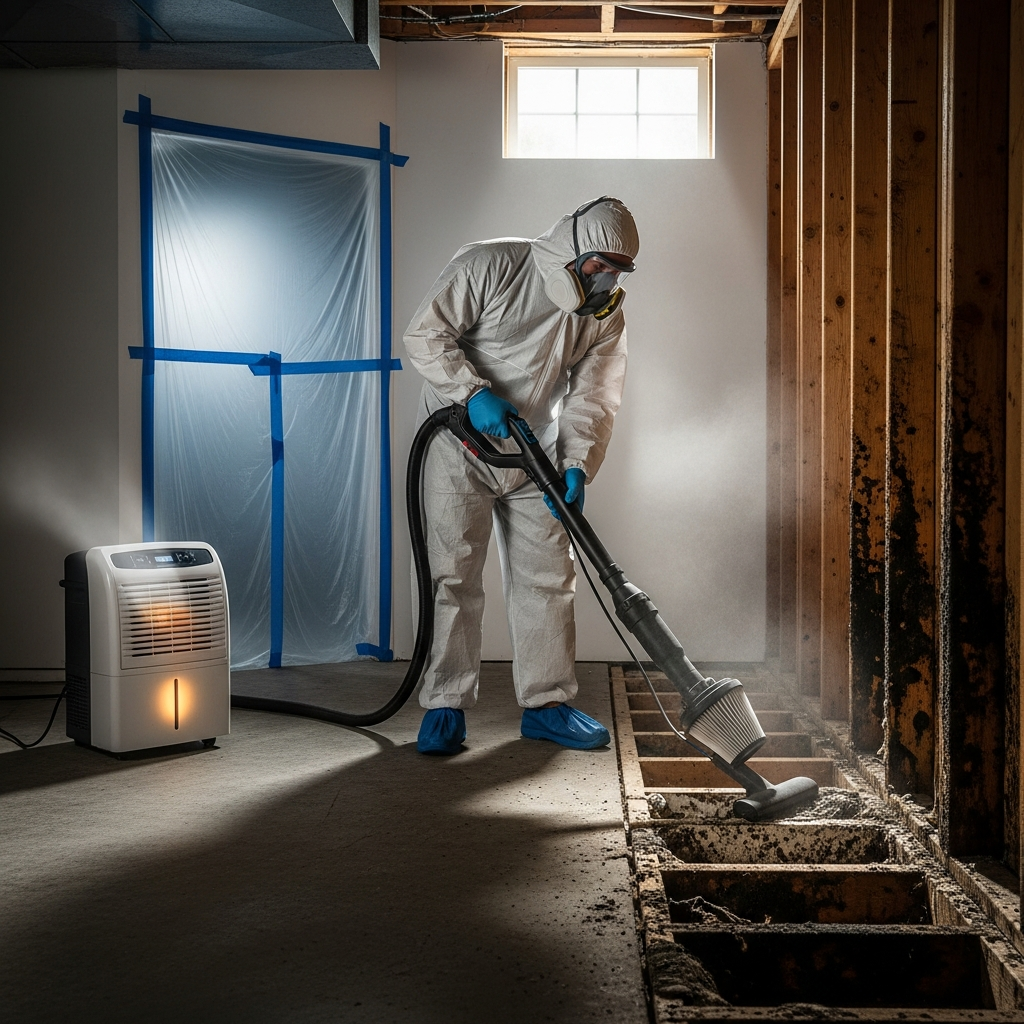
Mitigation focuses on rapid, protective actions that limit spread and reduce exposure. Trained technicians begin with an assessment and moisture mapping using meters and infrared tools. They set up containment with plastic sheeting, establish negative air with HEPA filtration, isolate HVAC supply and return pathways, and stabilize humidity and temperature. These steps curtail airborne spores and protect adjacent rooms while decisions are made about demolition, cleaning, and repairs.
Another important aspect of mitigation is addressing the immediate water source. Whether it is a loose supply line, a failed wax ring, or water that seeped through a foundation wall after heavy rain, stopping the source is essential. Without control of moisture, even the best removal plan will be undermined.
Removal and Remediation: Getting to the Root
Removal and remediation encompass selective demolition of unsalvageable materials, mechanical cleaning of structural elements, and detailed HEPA vacuuming and wiping of adjacent surfaces. The end goal is to restore a normal fungal ecology indoors. In practice, removal can involve cutting out a water-damaged drywall section, discarding saturated insulation, or pulling affected carpet and pad. Remediation adds the cleaning and verification steps that ensure dust and residues do not remain to fuel regrowth.
Experienced teams also consider how the space is used. In a child’s bedroom, for example, they might create a tighter containment and schedule work when the room can be vacated. In commercial settings, they coordinate with building management to limit disruption and deconflict with other trades.
What to Expect from a Professional Team
- Clear explanation of scope: mitigation measures, removal areas, and cleaning zones
- Containment that protects occupants and prevents cross-contamination
- HEPA filtration with documented filter changes and equipment placement
- Moisture monitoring to confirm drying progress
- Photo documentation of conditions before, during, and after work
- Recommendations for ventilation and moisture control after project completion
A transparent approach reassures homeowners and provides useful records for future maintenance or real estate transactions.
Preparing Your Space
Preparation supports a cleaner, safer, and faster project. Clear access routes to affected rooms, relocate pets, and remove personal items from work areas when possible. If contents are impacted, discuss cleaning methods for textiles, books, electronics, and wood furniture. Porous contents that are deeply colonized may not be salvageable, while nonporous items typically respond well to HEPA vacuuming and damp wiping.
Special Considerations for Bloomfield Properties
Bloomfield’s varied building stock creates different challenges. Older homes with plaster walls require a careful approach to removal and patching. Basements can be vulnerable to hydrostatic pressure that forces moisture through masonry, calling for both interior mitigation and exterior drainage improvements. Attics may need ventilation fixes to prevent condensation on sheathing during winter. A tailored plan accounts for these variables and reduces the chance of recurrence.
Safety and Occupant Well-Being
Protecting health is central to every decision. With containment in place, air scrubbers running, and a clear work sequence, exposure can be minimized. Sensitive occupants can temporarily relocate to unaffected rooms or off-site as needed. The team should communicate daily about work hours, noise, and access restrictions so routines can be adjusted smoothly.
Mid-Project Checkpoints
During the project, checkpoints ensure alignment. The crew verifies dryness with moisture meters, confirms that demolition edges are clean and straight, and inspects cavities for hidden growth. They also update the scope if new information emerges. For many property owners, reviewing the benefits of expert mold mitigation services at this stage clarifies why early stabilization made removal more efficient and less disruptive.
Common Myths About Mold Removal
- Painting is a cure-all: Coatings can conceal stains but cannot replace removal and cleaning.
- Bleach solves everything: It may lighten discoloration but often fails to address porous materials and hidden structures.
- Once dry, you are done: Dryness is necessary but does not remove settled spores and residues.
- All contents must be discarded: Many items can be cleaned successfully if addressed promptly and appropriately.
After the Work: Keeping Mold from Returning
Prevention is an ongoing process. Maintain indoor humidity within a comfortable range. Use bathroom and kitchen exhaust fans that vent outdoors and run them long enough to remove residual moisture. Keep gutters and downspouts clear and extended away from the foundation. Regrade low spots that direct water toward the house. Seal utility penetrations and inspect attics annually for signs of condensation or roof leaks.
Moisture Control Tips for Everyday Living
- Ventilate during and after showering, and keep bathroom doors slightly open when feasible.
- Use a dehumidifier in basements and storage rooms, emptying and cleaning the reservoir regularly.
- Address small leaks immediately; even slow drips can feed mold within walls or cabinets.
- Allow appliances like dryers to vent outdoors and confirm ducts are connected and unobstructed.
- Promote airflow around furniture placed against exterior walls to reduce condensation.
Working with Property Managers and Neighbors
In multifamily buildings, coordination helps protect adjacent units. Notify building management early, share the project plan, and ask about any building-wide humidity or leak issues. If a vertical plumbing stack is involved, upstream or downstream residents may also need inspections. A building-wide approach can prevent repeat problems and spread of odors or spores through shared chases.
Documentation You Should Keep
- Initial assessment notes and moisture maps
- Photos from before, during, and after the project
- Containment plans and equipment logs
- Disposal records for removed materials when applicable
- Final report with recommendations for maintenance and monitoring
These documents support transparency and can be useful for future buyers, tenants, or renovation planning.
Frequently Asked Questions
Q: What is the difference between mitigation and removal? A: Mitigation stabilizes conditions and reduces exposure; removal and remediation eliminate contamination and return the space to normal conditions.
Q: Can I clean small spots myself? A: Small, superficial growth on nonporous surfaces may be manageable with caution, but hidden moisture and porous materials require professional evaluation to prevent spread and recurrence.
Q: How do I know if containment is necessary? A: If demolition is required or if air movement could spread spores, containment is important. Professionals set up barriers and negative pressure to protect the rest of the property.
Q: Do air scrubbers make a difference? A: Yes. HEPA filtration captures fine particulates and spores, improving air quality in and around work zones.
Q: Will the odor go away? A: Musty odors typically diminish as contamination is removed and materials dry. If odors persist, further investigation may be needed to locate hidden moisture.
Q: What about my HVAC system? A: During mitigation and removal, registers and returns in affected areas are often covered or isolated. After work, filters should be changed and ducts inspected if they were impacted.
Q: How can I monitor humidity? A: Use a hygrometer or a smart thermostat with humidity sensing. Keep readings in a comfortable range and adjust ventilation or dehumidification as needed.
Your Path to a Healthier Indoor Environment
When mitigation and removal are coordinated, outcomes improve. Start by stabilizing, then proceed with targeted demolition, thorough cleaning, and moisture control. This sequence protects your family, your finishes, and your investment.
Schedule Mold Help in Bloomfield Today
If you suspect growth or recently experienced water intrusion, take the first step now. Connect with trusted mold mitigation services to assess conditions, set up containment, and design a removal plan that restores clean, healthy indoor air. A responsive local team can guide you from first call to final verification, ensuring your Bloomfield property is ready for daily life again.