
Introduction: Banish That Musty Smell From Your Bloomfield, NJ Home
If a musty, earthy smell lingers in your Bloomfield, New Jersey home—especially after rainy spells, basement seepage, or a plumbing mishap—you are likely dealing with mold-related odors. While the scent itself is a warning sign, it is also an opportunity to act swiftly and restore healthy indoor air. Early action helps you locate moisture sources, stop growth, and deodorize effectively. For homeowners who prefer an expert hand right from the start, consider consulting trusted mold odor removal specialists who understand local building styles, common moisture patterns, and the climate challenges unique to Essex County.
This guide walks you through practical, safe, and effective steps to identify, eliminate, and prevent mold odors in Bloomfield homes. You will learn how to find the real source, clean correctly, improve air circulation, and prevent recurrence. From basements and crawl spaces to bathrooms and attics, these strategies will help you reclaim fresh, clean indoor air.
What Causes Mold Odor in Bloomfield Homes?
Mold odor often comes from microbial volatile organic compounds (MVOCs) released during the life cycle of mold. While the smell can fade temporarily when humidity drops, it tends to return if the underlying moisture is still present. In Bloomfield, typical culprits include older basements with minimal waterproofing, clogged gutters that lead to foundation seepage, bathroom exhaust fans that vent into attics instead of outdoors, and slow plumbing leaks hidden inside walls. Seasonal temperature swings and summer humidity can intensify these problems, making odor control a recurring challenge unless you address the moisture source.
Remember, the scent may travel far from the actual growth site. For instance, a basement colony can vent odor through the stairwell or HVAC, making second-floor bedrooms smell musty even if they look spotless. Your mission is to locate the moisture pathway and remove the conditions that support growth.
Safety First: Protect Yourself
- Wear disposable gloves and a snug-fitting mask rated for particulates (such as an N95) when cleaning musty or visibly affected areas.
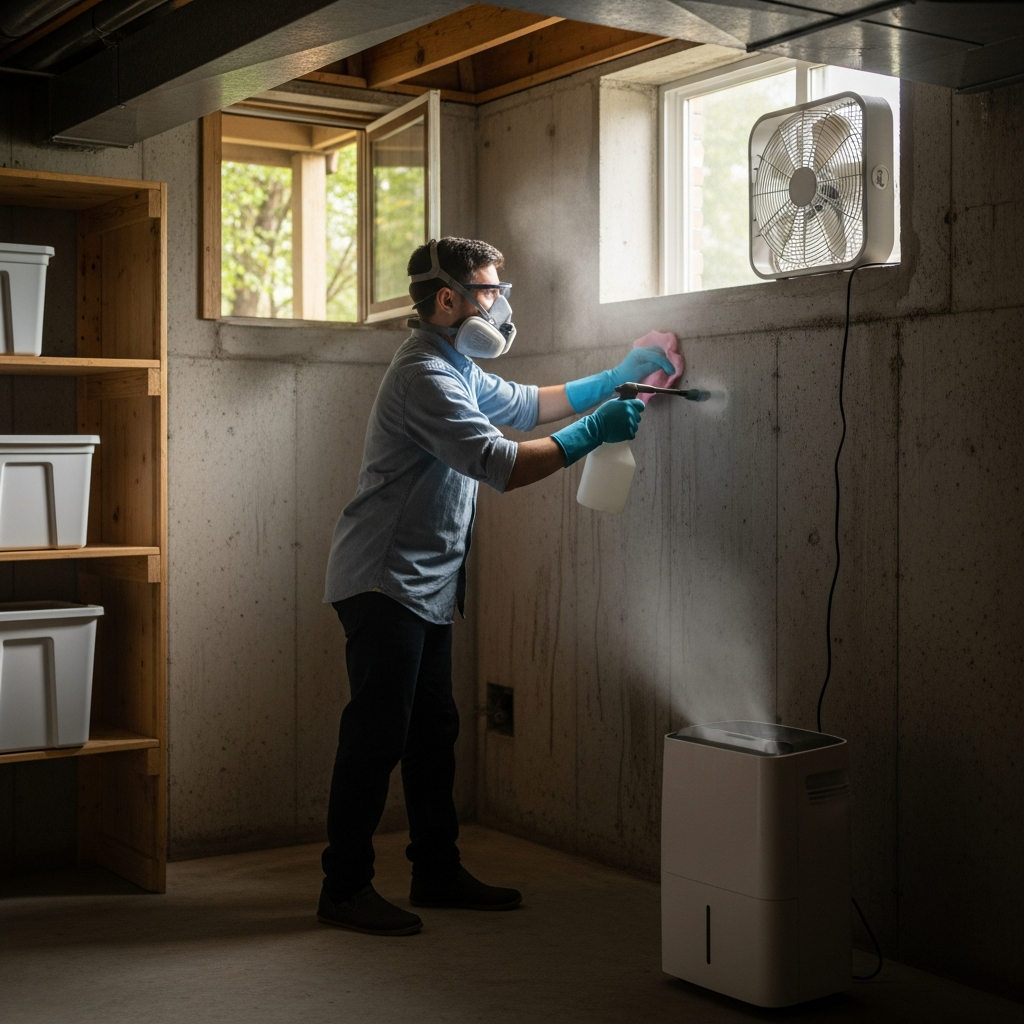
- Open windows and run exhaust fans that vent outdoors to improve ventilation while cleaning.
- Avoid dry-scrubbing moldy areas, which can release spores; lightly dampen surfaces before wiping.
- Do not mix cleaning chemicals. Never combine bleach with ammonia or acidic products.
Step 1: Track Down Moisture and Sources of Odor
Before cleaning, find the water or humidity source feeding the problem. Common places to check in Bloomfield homes include:
- Basements and crawl spaces: Look for seepage lines on walls, damp corners, efflorescence (a white powdery crust), and signs of condensation on cold pipes.
- Bathrooms: Inspect caulking, grout, sink traps, and the base of the toilet. Confirm exhaust fans vent outside, not into the attic.
- Kitchens and laundry rooms: Examine supply lines, drains, ice-maker lines, and the space beneath sinks and appliances.
- Attics: Search for roof leaks, wet insulation, darkened sheathing, or inadequate ventilation.
- HVAC systems: Replace dirty filters and check for condensate drain clogs or duct leaks that invite humid air.
Use a moisture meter if you have one; otherwise, rely on touch and observation. Materials like drywall, insulation, cardboard, and carpet padding absorb moisture quickly and may hold odor even after the surface appears dry. Note any suspect areas for targeted cleaning.
Step 2: Ventilate, Dehumidify, and Dry Thoroughly
Mold odor thrives in damp, stagnant spaces. Increase airflow and lower humidity to discourage growth:
- Ventilate: Open windows on opposite sides of the house (weather permitting) to create cross-breezes. Use box fans to push stale air out.
- Dehumidify: Aim for indoor relative humidity between 30% and 50%. A dehumidifier in the basement or first floor can make a big difference in Bloomfield’s humid months.
- Fix leaks and drainage: Clear gutters and downspouts, slope soil away from the foundation, and repair plumbing leaks.
- Heat and airflow: In cooler months, gentle heat helps speed drying. Direct fans across damp surfaces until they are fully dry to the touch.
Step 3: Clean Surfaces the Right Way
On non-porous surfaces (tile, metal, sealed concrete, sealed wood), scrub with a mild detergent solution and warm water. Rinse with clean water and dry thoroughly. On semi-porous materials (unfinished wood or concrete), you may need a stiff brush and repeated passes. Always dry completely afterward.
Porous materials like ceiling tiles, carpet padding, and non-washable insulation often retain odor even after cleaning. If they smell musty after drying, consider discarding and replacing them. Launder fabric items with hot water (as safe for the fabric) and dry on high heat. Add a cup of plain white vinegar to the rinse to help with lingering smells, then rewash with detergent if desired to remove the vinegar scent.
Step 4: Neutralize Lingering Odors
- HEPA vacuuming: After surfaces dry, use a HEPA-filter vacuum to capture fine particles on floors, baseboards, and vents.
- Absorbents: Place bowls of baking soda or trays of activated charcoal in affected rooms for several days, replacing as needed.
- Fresh air cycles: Periodically open windows on low-pollen days to exchange indoor air, especially after cleaning.
Step 5: Address HVAC and Air Distribution
Your HVAC can either help or worsen mold odor. Replace filters with high-quality options that still suit your system’s airflow requirements. Inspect return ducts for gaps that could draw damp air from basements or crawl spaces. If you notice musty smells whenever the system starts, consider having the ductwork inspected for leaks or contamination. Keep supply vents clear of furniture and dust so air circulation remains robust.
Basements and Crawl Spaces: Bloomfield’s Trouble Spots
Basements in Bloomfield’s older housing stock are especially prone to moisture due to historic construction methods and occasional groundwater pressure. Consider the following:
- Seal minor wall cracks with appropriate masonry sealers and monitor for change.
- Use a continuous-run dehumidifier sized for your square footage.
- Add a vapor barrier in crawl spaces when appropriate, along with adequate ventilation or encapsulation strategies.
- Store cardboard and paper off the floor; use plastic bins with tight lids instead.
In these below-grade spaces, prevention is everything. One rainy weekend can undo months of progress if gutters clog or a sump pump fails. Make maintenance routine and proactive.
When to Bring in Local Pros
Call a professional if you encounter widespread visible growth, past flooding, persistent odors despite cleaning, or health symptoms that appear to worsen at home. Seasoned Bloomfield technicians can evaluate structural contributors—like wicking through foundation walls or poorly routed exhaust lines—and design targeted remediation. If you would rather not DIY, seek help from local specialists who can assess humidity, identify hidden colonies, and address stubborn mold odor that keeps coming back.
Prevent Recurrence: A Simple Bloomfield Homeowner Checklist
- Keep indoor humidity between 30% and 50% using a dehumidifier as needed.
- Run bathroom and kitchen exhaust fans during and 20–30 minutes after use.
- Replace HVAC filters regularly and keep returns and supplies unobstructed.
- Clean gutters twice per year and extend downspouts away from the foundation.
- Inspect under sinks, behind toilets, and near appliances monthly for leaks.
- Launder damp items quickly; do not leave wet towels or bathmats piled up.
- Store seasonal items in sealed plastic bins, not cardboard.
- Check basements after heavy rain for seepage or standing water and dry promptly.
Frequently Asked Questions
Q: Will the odor disappear on its own if I just air out the house? A: Ventilation helps, but unless you remove moisture sources and clean affected materials, the smell may return quickly—especially during humid weather.
Q: Should I use bleach to clean everything? A: Bleach can discolor and may not penetrate porous materials where odor lingers. A mild detergent and water, followed by thorough drying, is often safer for many surfaces. For porous items that keep smelling musty, disposal may be the best choice.
Q: How long does it take to eliminate the smell? A: If you identify moisture and clean promptly, light odors can fade within a few days. Heavier contamination, wet basements, or affected HVAC systems take longer and may need professional intervention.
Q: Can I paint over a musty smell? A: Painting traps odor only temporarily and may cause peeling if moisture persists. Always dry and clean first; use appropriate primers only after the area is confirmed dry and odor-free.
Q: Why do basements smell worse after rain? A: Rain can raise soil moisture, drive seepage through walls, and boost humidity. Keep gutters clear, divert downspouts, and run a dehumidifier continuously during wet spells.
Q: Are ozone machines a good idea? A: Ozone can irritate lungs and damage materials. It is best to rely on moisture control, cleaning, and ventilation. If specialized treatments are considered, consult a professional.
Keep Your Bloomfield Home Fresh Year-Round
A musty smell is a message: somewhere, moisture and organic material are teaming up. By tracking down leaks, maintaining balanced humidity, cleaning strategically, and improving ventilation, you can eliminate the odor and keep it from coming back. If you need a partner to move faster and ensure nothing is missed, reach out for professional mold odor removal support and restore confidence in your home’s air.