Introduction: Evidence-Based Ways to Defeat Mold Odors in Bloomfield, NJ
Musty indoor air is more than unpleasant; it is a sign that moisture has met organic material long enough to support microbial activity. In Bloomfield, New Jersey—where seasonal humidity, basement seepage, and aging building components intersect—mold odor can feel like a moving target. This article compiles proven, practical techniques backed by building science and real-world experience to clear the air in your home. If you prefer to accelerate results with professional help, schedule an assessment from experienced mold odor removal specialists who know how local homes breathe, leak, and dry.
Whether you live in a prewar colonial near the Green or a newer townhouse, these methods will guide you from detection to long-term prevention, ensuring the fresh, neutral smell you expect from a well-cared-for home.
Step 1: Confirm Moisture Pathways
All successful odor removal starts with understanding water movement. Identify how moisture enters, accumulates, or lingers in your house:
- Bulk water: Roof leaks, foundation seepage, appliance failures, and plumbing issues.
- Vapor diffusion: Damp basements and crawl spaces sending moisture into living areas.
- Air transport: Leaky ducts pulling humid air from attics, basements, or garages.
Use your senses first: look for discoloration, warping, efflorescence on masonry, or condensation on windows and pipes. A simple hygrometer can reveal rooms consistently above 50% relative humidity, a common threshold for musty smells during Bloomfield’s damp seasons.
Step 2: Dry Quickly and Completely
- Control humidity: Run dehumidifiers to maintain 30%–50% RH, especially in basements and bathrooms.
- Vent outdoors: Operate kitchen and bath exhaust fans during and after use.
- Increase air movement: Open windows on dry days and use box fans to accelerate evaporation.
- Fix leaks: Replace worn supply lines, reseal bathtub surrounds, and correct grading to pull water away from the foundation.
Step 3: Clean With Methods That Work
Detergent and warm water are the backbone of successful cleaning on non-porous surfaces. Lightly mist dusty moldy areas to reduce airborne particles, then wipe, rinse, and dry. For semi-porous materials like unfinished wood, use a stiff brush and repeat as needed until the odor subsides. Remember to dispose of heavily contaminated porous items—such as damp cardboard, carpet padding, or fiberboard—that trap odors despite cleaning.
After drying, perform a HEPA vacuum pass on floors, baseboards, and air registers. This reduces fine particulates that can carry odor and aggravate sensitivities. Lastly, place odor absorbents (baking soda or activated charcoal) in affected rooms for several days, rotating them out as they become saturated.
Step 4: Optimize HVAC to Avoid Recirculating Odors
Many homeowners notice the musty smell most when the HVAC cycles on. Change filters frequently and ensure your system is sized and balanced appropriately. Sealing return ducts in basements, closets, or crawl spaces can stop the system from pulling in damp, odorous air. Verify that the condensate drain is clear; a clogged pan is an odor source all by itself.
Basement and Bathroom Focus Areas
Bloomfield basements often need continuous dehumidification in summer, and bathrooms demand consistent exhaust. Keep bath fans running for 20–30 minutes after showers and consider timers so the habit sticks. Reseal tile and grout as needed and replace cracked caulk at tubs and sinks to stop moisture intrusion behind walls where odors develop out of sight.
Proven Techniques You Can Trust
- Source-first approach: Always find and fix the moisture driver before treating odor.
- Layered drying: Use ventilation, dehumidification, and heat as needed to achieve complete dryness.
- Targeted cleaning: Detergent wash, rinse, dry, then HEPA vacuum to capture residual particles.
- Selective disposal: Remove porous items that hold odor despite cleaning.
- Odor adsorption: Use baking soda or activated charcoal trays to capture remaining smells.
- HVAC hygiene: Fresh filters, sealed returns, and a clear condensate drain line.
- Ongoing monitoring: Keep a simple humidity log to catch problems early.
When DIY Isn’t Enough
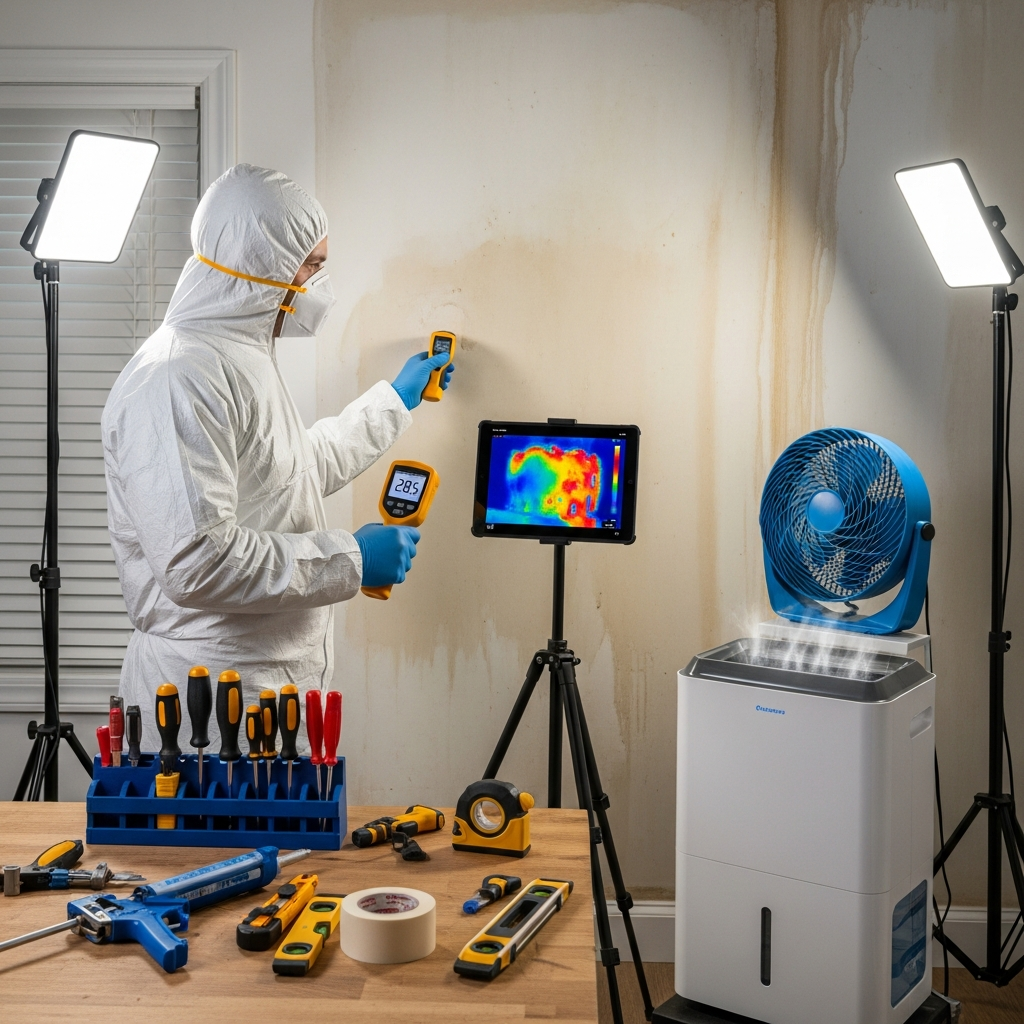
If the odor persists after thorough drying and cleaning, suspect hidden issues: damp insulation, saturated drywall behind a vanity, or a slow pipe leak in a wall cavity. Professional teams use moisture meters, thermal cameras, and air movement diagnostics to pinpoint concealed problems quickly. Partnering with a local team can be the difference between weeks of trial-and-error and one decisive plan to eliminate stubborn mold odor for good.
Prevention Habits for Bloomfield Homes
- Gutters and downspouts: Clean twice yearly and extend discharge away from the foundation.
- Basement vigilance: Inspect corners after storms; run dehumidifiers consistently in humid months.
- Bathroom discipline: Operate exhaust fans and keep shower curtains or doors open after use to promote drying.
- Laundry care: Dry wet items promptly; avoid piling damp towels.
- Storage strategy: Swap cardboard for sealed plastic bins; keep items off basement floors.
- Quick response: Address plumbing drips and roof leaks immediately, before odor sets in.
Frequently Asked Questions
Q: Is bleach the best cleaner for musty areas? A: Not necessarily. Detergent and water followed by thorough drying are often more appropriate, especially for non-porous surfaces. Bleach can be harsh and ineffective on porous materials where odors persist.
Q: Can odor absorbers replace cleaning? A: No. Baking soda and charcoal help with residual smells but cannot compensate for ongoing moisture or hidden growth. Always address the source first.
Q: How do I know if the smell is from the HVAC? A: If the odor intensifies when the system turns on, check filters, returns, and the condensate drain. Consider professional duct inspection if the issue remains.
Q: What humidity level should I aim for? A: Keep indoor relative humidity between 30% and 50%. In summer, a basement dehumidifier is often essential in Bloomfield to maintain that range.
Q: When should I replace materials instead of cleaning? A: If porous items like carpet padding, ceiling tiles, or non-washable insulation still smell musty after drying and cleaning, replacement is usually the better path.
Restore Freshness and Confidence
By following a source-first plan—dry thoroughly, clean methodically, and stabilize humidity—you can reclaim clean indoor air and stop the musty cycle. If you want a faster, end-to-end solution tailored to Bloomfield’s housing and climate, reach out for professional mold odor removal support and enjoy a home that smells as healthy as it feels.