
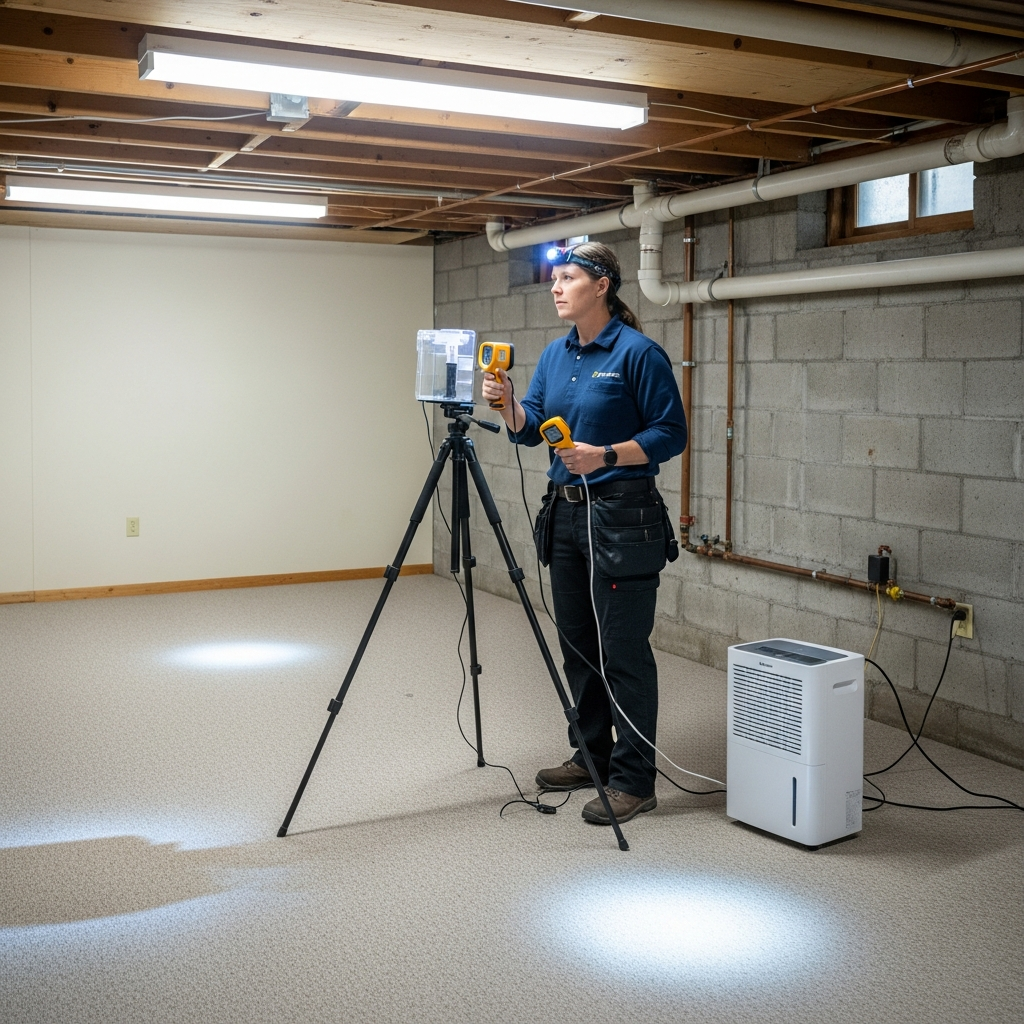
Why Indoor Mold Testing Matters for Bloomfield, New Jersey Homes
Indoor mold testing is an essential piece of a complete mold inspection, especially in communities like Bloomfield, New Jersey, where seasonal humidity, heavy rains, and winter condensation create complex moisture dynamics. Testing can provide clarity when visual clues are limited, when odors persist without obvious growth, or when sensitive occupants need reassurance about indoor air quality. Starting with qualified mold inspection services ensures that testing is purposeful, data-driven, and integrated with a full assessment of building conditions, ventilation, and moisture sources.
Testing is not about collecting numbers for their own sake. Its value lies in interpretation—understanding what results mean in the context of your home’s history, the materials in use, and the environmental conditions near Bloomfield. Without a thorough inspection, testing alone can be misleading. When integrated properly, however, it can confirm whether airborne spores are elevated compared to typical outdoor levels, whether a particular stain is truly fungal growth, and whether corrective actions have effectively restored expected indoor conditions.
When Testing Is Most Useful
Testing proves most helpful in several scenarios. First, when discoloration is present but ambiguous, surface sampling can differentiate mold from other staining. Second, when occupants experience symptoms consistent with poor indoor air quality, air sampling can compare indoor conditions to outdoor references. Third, after remediation or moisture corrections, post-action sampling can verify that steps taken have yielded the intended results. In every case, the decision to test should be grounded in a clear question and a plan for acting on the answer.
In Bloomfield, common triggers for testing include finished basements with musty odors, bathrooms with chronic humidity and ceiling staining, and attics where ventilation is marginal. Complex rooflines, older window flashing, and plumbing chases can all create hidden pathways for moisture. Testing supports the detective work that inspection begins, providing another layer of evidence to inform next steps.
Types of Indoor Mold Testing and Their Roles
Two primary testing methods are common in residential settings: air sampling and surface sampling. Air sampling collects spores from indoor spaces and from outdoors to establish a comparison. The results help determine whether indoor levels are in line with what is expected. Surface sampling involves swabbing or taping a discolored or suspect area to confirm whether it contains mold and, in some cases, to identify types present. Each method serves a specific purpose and becomes most powerful when combined with moisture readings and detailed visual observations.
It is important to recognize that testing is not a substitute for good building science. Measuring humidity, checking for condensation, and identifying the paths water takes through the structure remain essential. Testing adds precision to this picture but cannot replace the foundational work of tracing and correcting moisture sources.
Integrating Testing with a Full Inspection
Testing works best as part of a complete evaluation that includes exterior drainage review, roof and flashing checks, interior moisture mapping, and ventilation assessment. In Bloomfield, weather patterns and varied construction styles mean that water can travel in unpredictable ways. An inspector who understands these patterns will choose sampling locations wisely—near suspected sources, in rooms with symptoms, and in control areas used for comparison. The final report should weave together testing results with observations and measurements, producing a coherent narrative about what is occurring and how to fix it.
Communication is key. Your inspector should explain what each test can and cannot reveal, why specific locations were selected, and how the results influence recommendations. This clarity prevents misinterpretation and keeps the focus on practical solutions.
Common Misconceptions About Indoor Mold Testing
Several myths can lead homeowners astray. One is that testing alone can determine the severity of a problem. In reality, a high spore count suggests elevated activity but does not directly map where water is entering or how far materials are affected. Another misconception is that all visible dark staining is black mold and therefore requires the same response. Surface testing often shows that not all stains are fungal, and even among molds, different conditions call for different actions.
A further misunderstanding is that more tests automatically equal better results. Strategic testing designed to answer specific questions is more valuable than broad, unspecific sampling. Discipline and context create better outcomes than volume alone.
How Local Conditions Guide Testing Strategy
Local knowledge shapes smart testing. In Bloomfield, inspectors often prioritize basements after heavy rains, bathrooms that generate persistent steam, and attics that show signs of poor air exchange. Homes with recent energy upgrades may require special attention to ventilation balance to avoid trapping humidity. Likewise, older plaster walls can hide slow leaks that are not immediately visible on the surface. By combining this local awareness with moisture readings and thermal imaging, an inspector selects test points that are most likely to reveal meaningful insights.
Season also matters. Sampling during a humid summer may produce different baseline conditions than sampling in dry winter air. Contextualizing results with weather patterns ensures interpretations remain grounded and reliable.
Reading and Using Your Test Results
A good report does more than list numbers. It explains findings in everyday language, links them to the conditions observed, and ranks recommended actions in order of importance. For example, if air samples show elevated spores in a basement and moisture readings confirm dampness along a foundation wall, the report might prioritize exterior drainage corrections, dehumidification strategy, and targeted material handling where growth is present. Post-correction sampling can then verify that the environment has returned to expectations.
Clarity in reporting creates confidence. With a coherent plan, you can communicate effectively with contractors, schedule improvements in a sensible sequence, and maintain records for comparison after seasonal changes or future renovations.
Frequently Asked Questions
Q: Do I always need indoor air testing to confirm a mold issue? A: Not always. Testing is most useful when visible clues are unclear or when health-related concerns call for additional data. If the source and extent of moisture are clearly identified, the priority shifts to correction and verification.
Q: How many samples are typical? A: The number of samples depends on your home’s size, layout, and symptoms. Strategic selection is more important than quantity. Your inspector will explain why each sample is recommended and how it will inform next steps.
Q: Can testing tell me exactly where mold is growing? A: Testing indicates whether spores are elevated and can confirm whether a stain is mold, but it does not pinpoint every hidden colony. Moisture mapping and visual assessment remain central for locating sources.
Q: What if results show elevated indoor levels? A: The report should outline a prioritized plan to correct moisture sources, manage affected materials safely, and verify results afterward.
Q: Is testing useful after remediation? A: Yes. Post-action sampling can confirm that indoor conditions have normalized and that corrective measures were effective.
Practical Steps to Reduce Future Testing Needs
Preventive habits can reduce the likelihood that you will need frequent testing in the future. Keep gutters clear and ensure downspouts move water away from your foundation. Use bathroom and kitchen exhausts consistently and verify they vent outdoors. Maintain steady humidity with dehumidifiers where needed, especially during humid months. Inspect window and door flashing, and address condensation by improving airflow and insulation. These actions make indoor conditions less favorable for mold and reduce the need for repeat assessments.
Homeowners who stay proactive—monitoring for leaks, responding quickly to water events, and maintaining ventilation—tend to see fewer recurring problems and enjoy more stable indoor comfort over time.
Move Forward with Confidence
Testing is most valuable when it answers specific questions and supports a comprehensive plan. By integrating sampling with moisture mapping, visual assessment, and local knowledge, you gain a clear path to restoring and maintaining healthy indoor conditions. If you are ready to explore a thoughtful, evidence-based approach in Bloomfield, connect with trusted mold inspection services and take the next step toward a cleaner, drier, and more comfortable home.