Local Insight: Why Mold Removal Near You Matters in Bloomfield, NJ
When moisture sneaks into a Bloomfield, New Jersey home—through a foundation crack, a roof leak, or steamy bathrooms without adequate exhaust—mold can follow quickly. Choosing help close to home matters because local pros understand the region’s weather patterns, housing stock, and common moisture pathways that differ from town to town. A neighbor who knows where basements tend to seep after summer thunderstorms, how older plaster walls behave, and which neighborhoods see frequent ice damming in winter offers practical advantages. This guide explains what to expect from nearby services, how to evaluate providers, and how to prepare your house for successful mold removal that lasts through Bloomfield’s changing seasons.
Local context frames every decision. Bloomfield’s mix of pre-war homes, mid-century ranches, and newer condos creates varied risk profiles. Some houses have fieldstone foundations that wick moisture; others have finished basements with carpet and drywall on cold masonry walls. In apartments, stacked plumbing and shared ventilation can complicate isolation. A provider who understands these patterns will tailor containment, drying strategies, and prevention recommendations so you are not getting a one-size-fits-all plan.
What “Near You” Should Mean: Responsiveness and Familiarity
Local service is not just about distance; it is about responsiveness and familiarity. A nearby team can mobilize quickly after a sudden leak, coordinate with your plumber or roofer, and navigate township schedules when work requires access approvals or utility coordination. Familiarity with Bloomfield neighborhoods—where drainage is poor, which blocks have high groundwater, and which multifamily buildings share mechanical systems—helps a provider predict hidden moisture and prevent surprise expansions in scope. Responsiveness shortens the time materials stay wet, lowering the chance of secondary damage and making cleanup less disruptive.
When you call for help, ask how assessments are conducted. A good local pro will ask about your home’s age, foundation type, recent weather events, and HVAC setup. They should discuss how they plan to identify moisture sources, not just how they will clean what you can see. You are looking for a partner invested in your long-term indoor air quality, not just a quick cosmetic fix.
What to Expect During a Professional Visit
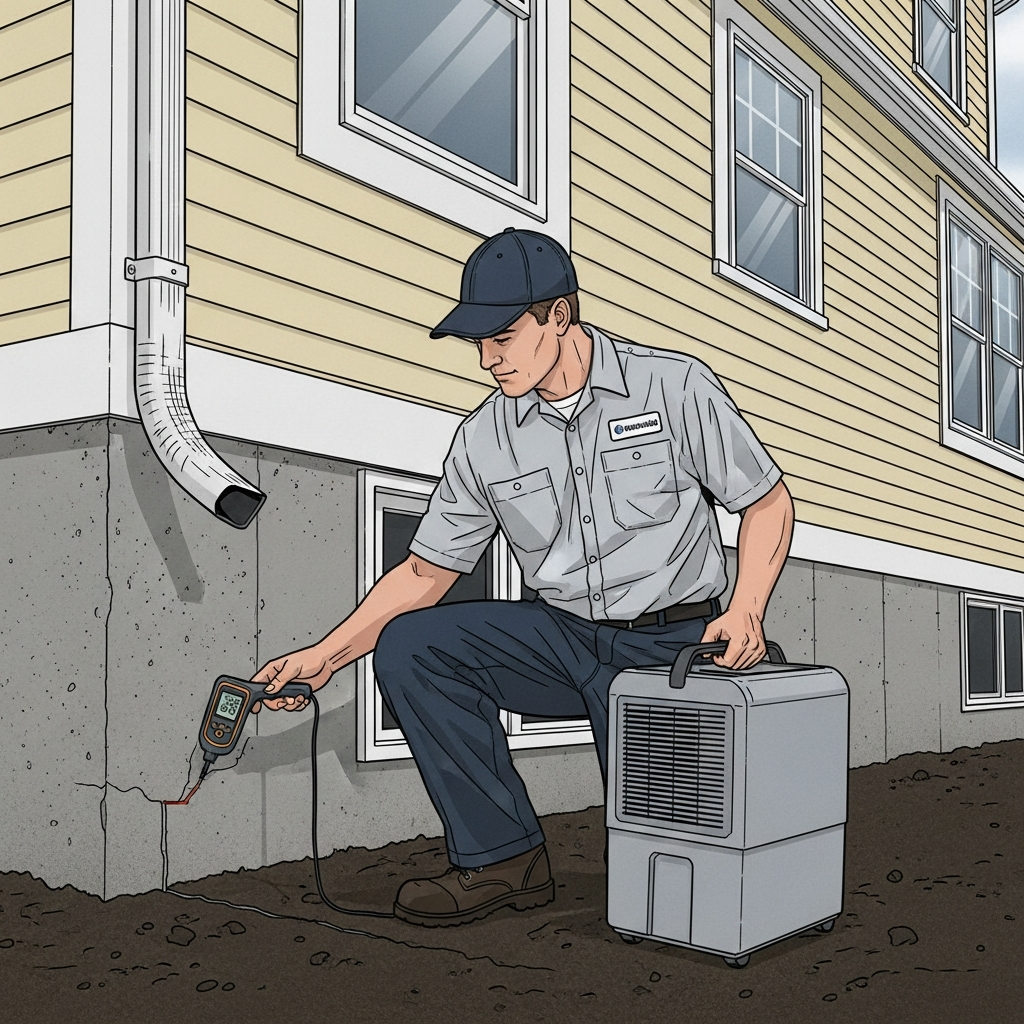
An initial visit typically starts with a walkthrough to map the affected zones and adjacent rooms. The assessor looks for visible growth, water staining, soft materials, and odor hotspots. They may use moisture meters to check drywall and framing, a hygrometer to measure humidity, and sometimes an infrared camera to visualize cool, damp areas. They will ask about the timing of leaks, previous repairs, and any symptoms that occupants have experienced. The result should be a clear scope describing containment, selective removal, surface cleaning, drying, and verification steps.
Clear communication is a hallmark of a good nearby provider. Expect them to explain how doors and vents will be sealed, how air will be exhausted to create negative pressure if needed, and how dust and debris will be bagged and removed without tracking through your living space. They will coordinate access routes, elevator usage in multifamily buildings, and quiet hours as appropriate. Local teams know the rhythms of Bloomfield neighborhoods and plan accordingly to minimize disruption.
Tailored Containment and Cleaning in Bloomfield Homes
Containment scales to the problem. For a small bathroom patch, closing the door and taping seams may suffice, with a portable HEPA purifier running inside the space. For larger basement or first-floor projects, floor-to-ceiling plastic, sealed zippers, and negative air machines help protect the rest of the home. Cleaning begins with HEPA vacuuming to capture dust and spores, followed by detergent cleaning and rinse steps for non-porous and semi-porous surfaces. For porous materials that stayed wet more than 24–48 hours, safe removal and disposal prevent lingering contamination. Professionals work from clean to dirty areas and top to bottom, swapping cloths and filters frequently to prevent re-depositing particles.
Mid-project checkpoints keep things on track. Your provider should pause to confirm humidity trends are improving, that leaks are actually fixed, and that cleaning is producing visible and olfactory improvements. If conditions are not trending the right way, they will adjust the plan—adding dehumidification, refining containment, or expanding the area of attention. This disciplined approach is what separates durable solutions from quick cover-ups and makes local teams valuable when weather swings or building quirks complicate drying.
Drying and Verification in Our Climate
Drying is where local knowledge shines. In Bloomfield’s humid months, simply opening windows can backfire by letting in more moisture. Effective drying relies on dehumidifiers sized for the volume of air, strategic placement of air movers, and maintaining closed building envelopes until readings stabilize. Verification combines measurements and senses: humidity below roughly 50 percent for days, dry readings in previously wet materials, neutral odors, and visibly clean surfaces. Only when these conditions are met should rebuilding begin, whether that means replacing drywall and baseboards or repainting cleaned surfaces.
How to Choose a Nearby Provider
Look for clear communication, documented processes, and a commitment to source identification. Ask prospective companies to explain their containment plan, how they will protect HVAC systems, what type of HEPA filtration they use, and how they verify dryness before closing walls. Inquire about experience with Bloomfield’s housing stock and local building nuances. A strong provider will talk about downspouts, grading, attic ventilation, and basement insulation as readily as they discuss cleaning agents. You want a team that treats the cause, not just the symptom.
Availability matters too. After-hours response for emergencies, coordination with plumbers or roofers, and readiness to return for post-drying checks indicate a service-oriented mindset. Proximity often makes these logistics smoother, saving you time and reducing the chance of miscommunication.
Preventing Recurrence: Homeowner Habits That Pay Off
Even the best remediation can be undone by persistent moisture. Adopt habits that align with Bloomfield’s climate realities. Keep gutters clear and extend downspouts several feet from the foundation. Maintain positive grading so rain runs away from your home, not toward it. In bathrooms, run exhaust fans during showers and for 20–30 minutes afterward, and keep shower curtains or doors open after use to encourage drying. In kitchens, run range hoods while boiling water and dishwashing. Insulate cold water pipes to prevent condensation, and leave basement furniture a few inches off exterior walls so air can circulate.
If you use window AC units, ensure condensate drains properly outdoors and does not soak sills or drywall. In basements, consider rigid foam insulation against masonry before finishing, paired with controlled dehumidification in summer. Small design and habit shifts create a home that sheds moisture and starves mold of what it needs to grow.
Frequently Asked Questions for Bloomfield Residents
Q: Can I wait and see if the problem disappears on its own? A: If moisture remains, mold rarely resolves without intervention. Address the source quickly, dry affected areas, and clean or remove contaminated materials. Delays often mean more demolition later.
Q: Will a new dehumidifier solve everything? A: Dehumidifiers help, but they cannot fix leaks, poor drainage, or missing ventilation. Combine mechanical drying with source repairs and good habits for best results.
Q: Is it safe to use my HVAC during remediation? A: It is safer to isolate the affected zone, seal nearby registers, and change filters after work. Running the system can spread particles if the work area is not contained.
Q: Do I need air testing after cleanup? A: Not always. If the source is controlled, surfaces are clean, humidity is stable, and there is no musty odor, many projects conclude without testing. If documentation is needed—for a sale, a rental, or sensitive occupants—consult a professional about appropriate verification.
Q: How do I prepare my home before the team arrives? A: Clear access to affected rooms, move fragile items, and reserve parking or elevator time if applicable. Point out prior leaks or repairs and share any observations about odors or seasonal patterns that could inform the assessment.
Q: What materials are most likely to be removed? A: Porous materials that stayed wet more than 24–48 hours—drywall, ceiling tiles, carpet pads—are common candidates. Structural wood and non-porous surfaces are usually cleaned and dried unless damaged.
Ready for a Healthier Home
Local expertise, clear communication, and a process focused on source control, containment, cleaning, drying, and verification will protect your Bloomfield home for the long term. If you want nearby professionals who can respond quickly, tailor plans to your house type, and carry each project to verified dryness and cleanliness, schedule expert mold removal and move toward a healthier, more resilient living space today.