Choosing the Right Mold Inspection Partner in Bloomfield, New Jersey
Selecting a mold inspection service is a decision that affects your home’s health, your comfort, and your long-term maintenance strategy. In Bloomfield, where seasonal humidity and mixed housing ages create diverse moisture challenges, the right professional does more than look for visible spots. They evaluate how water moves through and around the building, how ventilation performs in bathrooms and attics, and how previous renovations may have changed the balance of airflow. Starting your search with reputable mold inspection services helps ensure you receive a thorough, unbiased assessment and a clear plan for action.
Rather than treating inspections as a checkbox task, think of them as a diagnostic process. A strong inspector listens to your concerns, tailors the scope to your property, and produces a report that helps you make confident decisions. The goal is not merely to confirm or deny the presence of mold but to understand what conditions allowed it to thrive and how to prevent recurrence.
Key Qualities to Look For
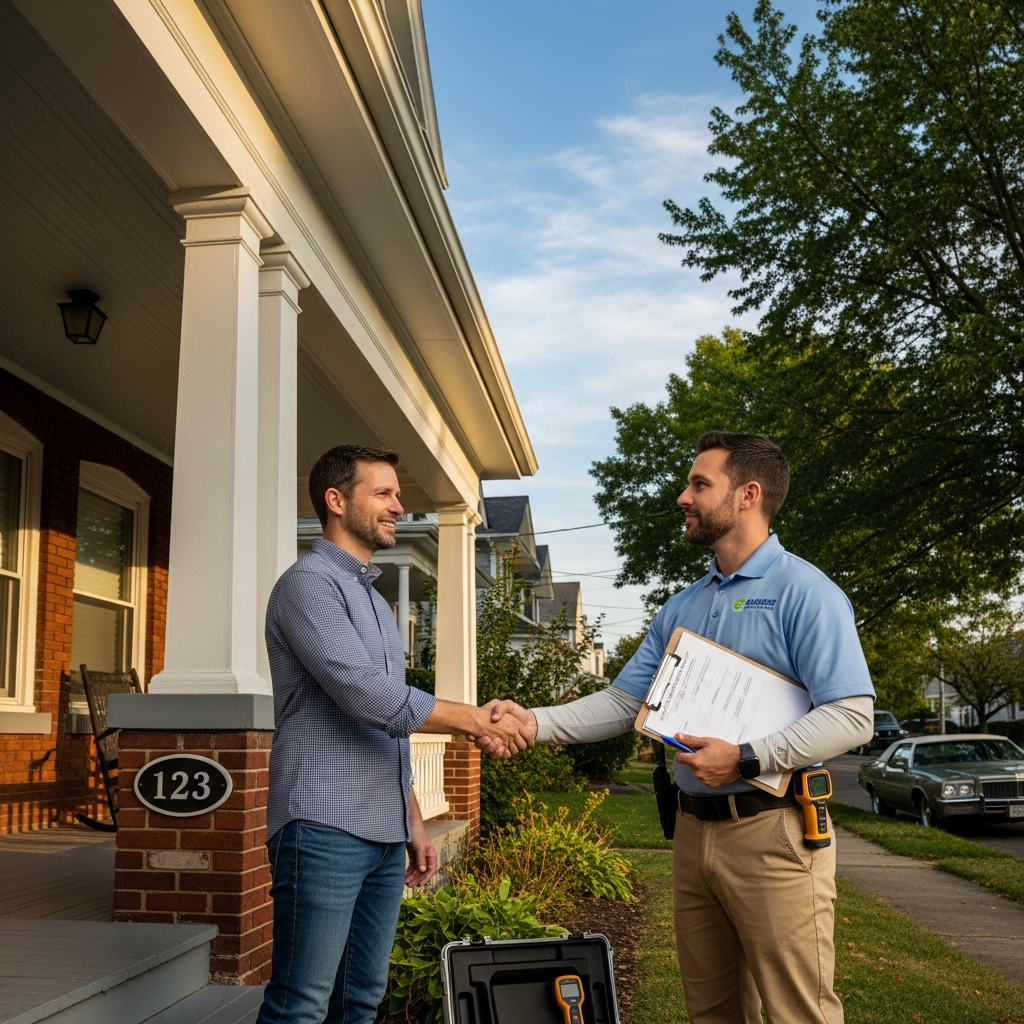
Begin with competence and clarity. Ask potential inspectors about their experience with Bloomfield homes, including older basements, plaster walls, complex rooflines, and finished lower levels. Inquire about the tools they use—moisture meters, thermal imaging, and hygrometers—and how they decide when to recommend air or surface sampling. Review a sample report to see whether findings are explained in everyday language, photos are included, and recommendations are prioritized in a logical sequence.
Equally important is independence and transparency. An inspector focused on accurate diagnosis will describe what is found without exaggeration and will outline next steps that start with moisture control. If remediation is needed, their recommendations should emphasize safe handling, containment, and verification rather than quick cosmetic fixes.
Local Knowledge Makes a Difference
Bloomfield experiences weather patterns that test building envelopes year-round. Heavy rains can drive water toward foundations, while winter conditions promote condensation in attics and on poorly insulated surfaces. Local professionals recognize how these forces interact with building materials and common renovation practices. They know to look under basement stair stringers, along foundation transitions, behind bathroom vanities, and at roof penetrations where flashing may have aged. This familiarity improves the speed and accuracy of diagnosis and ensures that recommendations reflect real conditions in the neighborhood.
Local knowledge also supports better communication. An inspector who routinely works in Bloomfield can offer examples of typical corrective steps and explain how small adjustments—like improving bath fan ducting or adjusting downspout extensions—can produce significant improvements.
How Inspectors Structure the Process
A purposeful inspection follows a structure. It begins with a conversation to document your concerns and the home’s history, proceeds to an exterior review of grading, gutters, and drainage, and then moves indoors for a room-by-room evaluation focused on moisture patterns. Tools like moisture meters and thermal imaging verify where dampness is present and where hidden leaks may travel. When visual cues are inconclusive or when sensitive occupants are concerned, targeted sampling can add clarity.
The outcome is a clear, actionable report that ranks recommended steps. Addressing moisture sources comes first, followed by safe handling of affected materials where necessary, and finally verification that indoor conditions have normalized. This sequence prevents repeat issues and supports lasting results.
Questions to Ask Before You Hire
Prepare a short list of questions for prospective inspectors. Ask how they tailor their assessments to older versus newer homes. Request details about documentation: how soon you will receive the report, what it includes, and how follow-up is handled. Clarify whether they offer independent inspections, how they coordinate with remediation teams if removal is needed, and how they determine when post-action verification is warranted. These discussions reveal not only technical knowledge but also communication style and commitment to your long-term success.
Also ask about preparation steps you can take before the visit. Clearing access to mechanical areas, attics, and under-sink cabinets speeds the process and enables better measurements. Sharing photos of past leaks or repairs can shorten the path to root-cause identification.
Evaluating Thoroughness and Professionalism
Thoroughness is reflected in how an inspector approaches both big-picture systems and small details. Do they consider roof drainage as well as interior humidity control? Do they look at ventilation pathways as well as plumbing penetrations? Are they open about the limits of sampling and the importance of moisture control? Professionalism also appears in how results are communicated: an organized report, clear photos, specific moisture readings where relevant, and practical recommendations in order of priority.
Remember that objective, data-backed guidance is your ally. You want findings that help you act with confidence, not vague statements that leave you guessing about next steps.
Recognizing Red Flags
Be cautious of anyone who claims that a quick visual glance is sufficient for every situation or who focuses solely on surface staining without addressing moisture dynamics. Another warning sign is a lack of clear documentation or reluctance to explain sampling choices. Finally, be wary of dramatic claims that are not supported by measurable evidence. Effective inspectors provide calm, precise explanations and present a roadmap that leads from diagnosis to lasting prevention.
Transparency builds trust. If a professional cannot explain the rationale behind each recommendation, you may not receive the level of guidance your home deserves.
Frequently Asked Questions
Q: How do I decide between a targeted inspection and a whole-home review? A: Base the decision on your goals and the clues at hand. Localized staining or odors may justify a focused approach, while widespread humidity or multiple risk indicators call for a comprehensive review.
Q: What tools should a qualified inspector use? A: Moisture meters, thermal imaging, and hygrometers are common. The key is not just owning tools but using them thoughtfully and interpreting results in context.
Q: Do I always need air or surface sampling? A: Not necessarily. Sampling is most useful when visual and moisture evidence leaves unanswered questions or when occupants need additional clarity about indoor conditions.
Q: How soon should I expect the report? A: Timelines vary, but you should receive a clear, organized summary promptly, complete with photos, measurements where relevant, and prioritized recommendations.
Q: What should I do after the inspection? A: Follow the recommended sequence: control moisture sources, address affected materials safely when necessary, and verify that conditions have returned to expected indoor levels.
Setting Your Home Up for Long-Term Success
The right inspector does more than solve today’s issue; they help you prevent tomorrow’s. That means explaining how to use exhaust fans effectively, maintain steady humidity, direct roof runoff away from the foundation, and watch for early signs of leaks. These habits build resilience and protect both finishes and structure. With accurate diagnostics and a practical plan, you can maintain a calm, healthy indoor environment in every season.
Choosing wisely today paves the way for confidence year after year. Keep your records, track improvements, and schedule periodic check-ins when significant renovations or weather events occur.
Start Strong with a Trusted Evaluation
If you are ready to select a professional in Bloomfield, look for clear communication, strong documentation, and a thoughtful approach to building science. Review past reports, ask informed questions, and be sure the plan you receive addresses moisture causes as well as visible symptoms. For dependable guidance from first call to final verification, connect with experienced mold inspection services and take the first step toward a healthier, drier, and more confident home.