
There is a straightforward answer to this, and it depends on two variables: where the water came from and how long the carpet stayed wet.
The water category decides most of it
Clean water from a supply line, caught within 48 hours: the carpet is usually salvageable, though the pad is typically replaced because it holds water and is inexpensive relative to the drying time it costs.
Ground water, storm runoff or any sewage involvement: the carpet and pad are removed. No cleaning process reliably decontaminates a porous assembly that absorbed category 3 water.
The 48-hour clock
Even clean water becomes a biological problem once it has sat. Bacteria colonize the pad, and delamination — the backing separating from the fiber — becomes visible as rippling that never fully relaxes after drying.
If the carpet was wet for several days in July heat, replacement is the cheaper decision over any real time horizon.
What proper restorative cleaning looks like
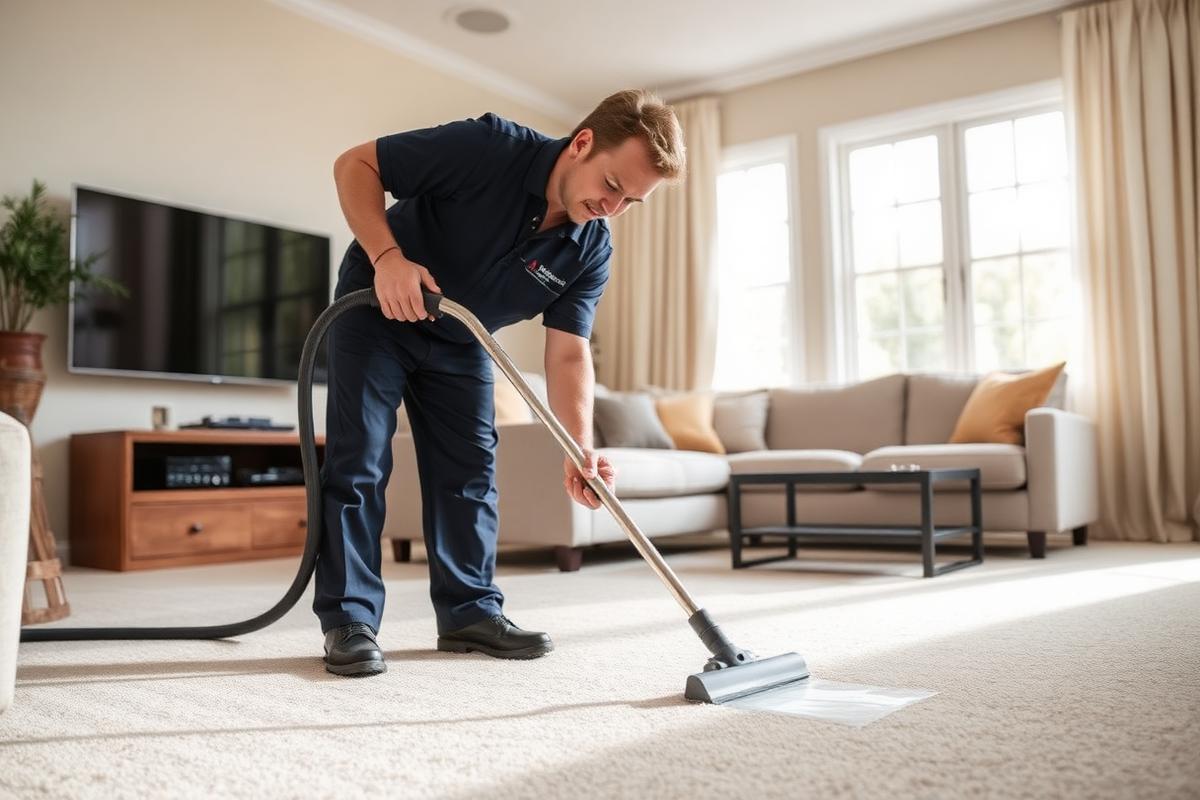
Extraction with a weighted wand, pad replacement, floating the carpet with air movers, antimicrobial application to the subfloor, then a full hot-water extraction cleaning once the assembly is dry.
Re-stretching afterward is normal — carpet that has been floated will need it.
Key takeaways
- Clean water within 48 hours: usually salvageable with new pad
- Storm or sewage water: remove carpet and pad
- Expect a re-stretch after any carpet has been floated and dried
Need carpet cleaning in Northeastern New Jersey?
Truck-mounted hot-water extraction removes deep dirt, allergens, and stubborn stains — safe for children, pets, and delicate fibers.
More from week 2: Storms & flooding
Emergency response, salvage decisions and insurance after summer storm water.