
Thunderstorm season in Northeastern New Jersey means basement water. What determines whether that becomes a mold job is not how much water came in — it is how many hours it stayed.
Why three days is the line
Given moisture, room temperature and organic material such as paper-faced drywall, common indoor molds germinate in roughly 24 to 72 hours. After that you are no longer drying a house, you are remediating one.
Storm water also often qualifies as category 2 or 3 — it carries soil and sewer contaminants — which changes what can be saved and what must be removed.
What gets removed and what gets dried
Wet insulation, carpet pad and the lower portion of drywall in a contaminated flood come out. Framing, subfloor and masonry are typically cleaned and dried in place with containment and HEPA filtration.
Cutting a flood cut at 12 or 24 inches is not overkill — it opens the cavity so the wall can actually dry instead of trapping water behind vapor-retardant paint.
Verification before rebuild
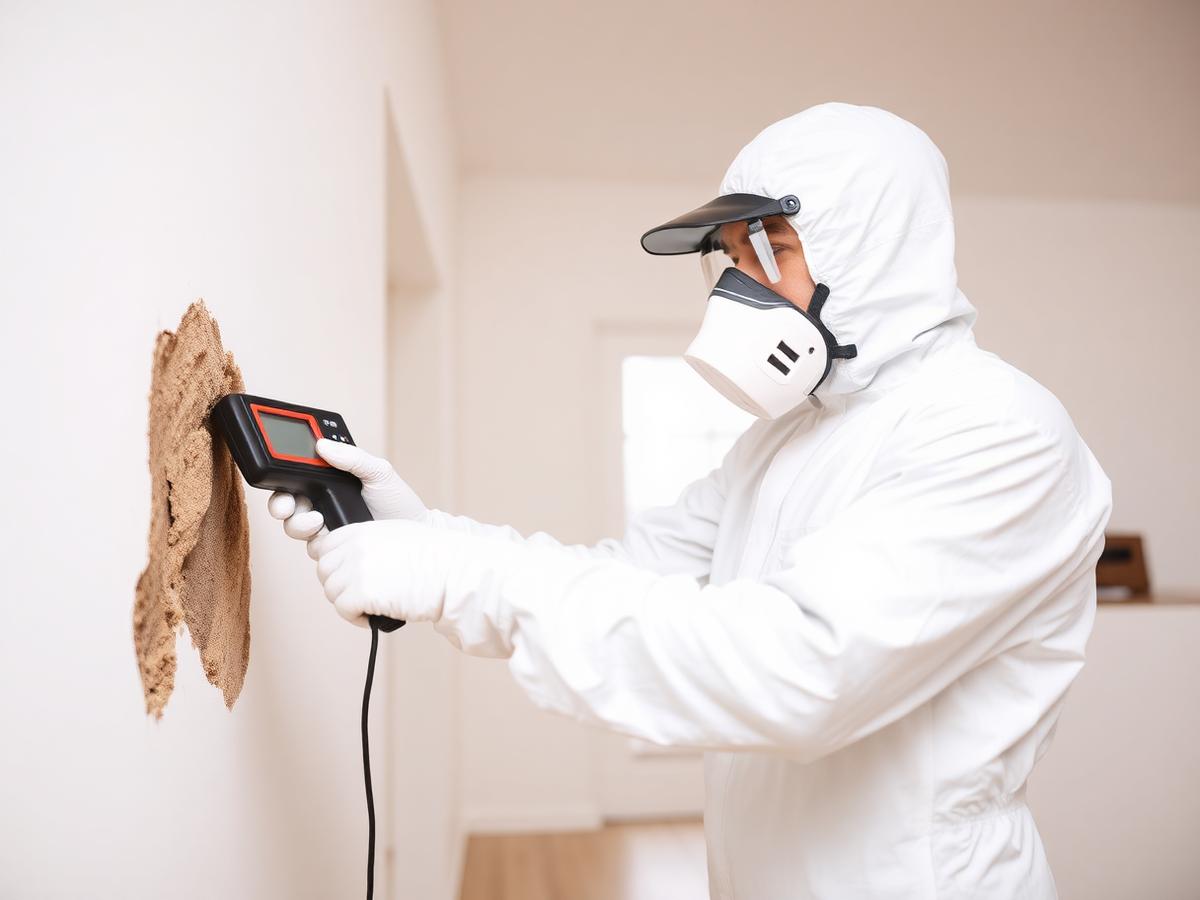
Nothing gets closed up until moisture content is at dry standard and, where contamination was involved, post-remediation verification is documented.
Rebuilding over a wet cavity is the single most expensive mistake in storm recovery, because the failure shows up months later behind finished work.
Key takeaways
- Mold germinates in 24-72 hours after flooding
- Storm water is usually contaminated, which changes the removal scope
- Never rebuild before documented dry standard is reached
Need mold remediation in Northeastern New Jersey?
Full-scope mold remediation using IICRC protocols: containment, HEPA filtration, safe removal, antimicrobial treatment and post-verification.
More from week 2: Storms & flooding
Emergency response, salvage decisions and insurance after summer storm water.