Mold does not need a flood — it needs moisture, and a humid New Jersey July supplies plenty of it. When indoor relative humidity sits above 60% for days at a time, dormant spores on drywall, carpet backing and basement framing start colonizing.
What summer humidity actually does inside your home
Warm outdoor air carries far more water vapor than cool air. Every time a door opens, that moisture rides inside and condenses on the coldest surfaces it can find: basement block walls, closet corners on north-facing exterior walls, and the underside of carpet in below-grade rooms.
Those surfaces rarely dry out again on their own during July, which is exactly the condition mold needs. A musty smell in a finished basement is almost always the first signal, weeks before anything is visible.
How professional remediation differs from bleach and a sponge
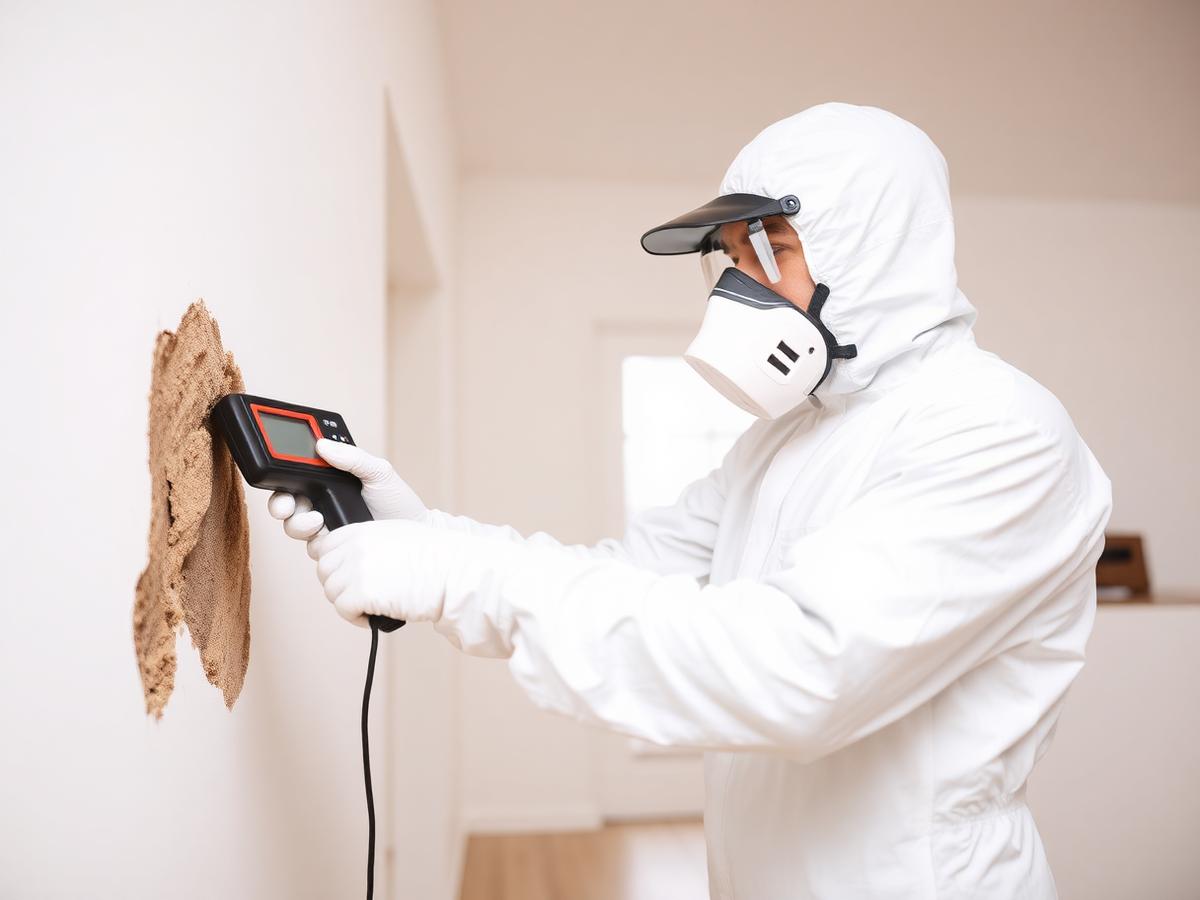
Surface cleaning removes the stain, not the colony. IICRC-standard remediation starts with containment and negative air pressure so spores are not pushed into the rest of the house, then removes affected porous materials, HEPA-vacuums the cavity and treats it with an antimicrobial.
The last step is the one homeowners skip: verification. We re-test the area and document moisture readings so you know the problem is closed out, not just painted over.
Keeping humidity below the mold threshold
Target 45-55% relative humidity indoors. A basement dehumidifier with a condensate pump, running HVAC fans on circulate, and repairing negative grading around the foundation cover most NJ homes.
If growth already covers more than about ten square feet, or it sits inside HVAC ducting, that is a professional job — disturbing it without containment spreads it further.
Key takeaways
- Indoor humidity above 60% for several days is enough to start mold growth
- Containment and post-remediation verification are what separate a real fix from a cover-up
- A musty smell shows up long before visible growth does
Need mold remediation in Northeastern New Jersey?
Full-scope mold remediation using IICRC protocols: containment, HEPA filtration, safe removal, antimicrobial treatment and post-verification.
More from week 1: Summer humidity
How a humid New Jersey July drives moisture, mold and odor inside the home.
- Air Duct CleaningAir Duct Cleaning During AC Season: Better Airflow, Cleaner Air
- Restoration ServicesMitigation vs. Restoration: What Happens After the Water Is Gone
- Area Rug CleaningSummer Rug Care: Protecting Wool and Silk Through a Humid July
- Upholstery CleaningSunscreen, Sweat and Summer Sofas: Upholstery Cleaning That Works