
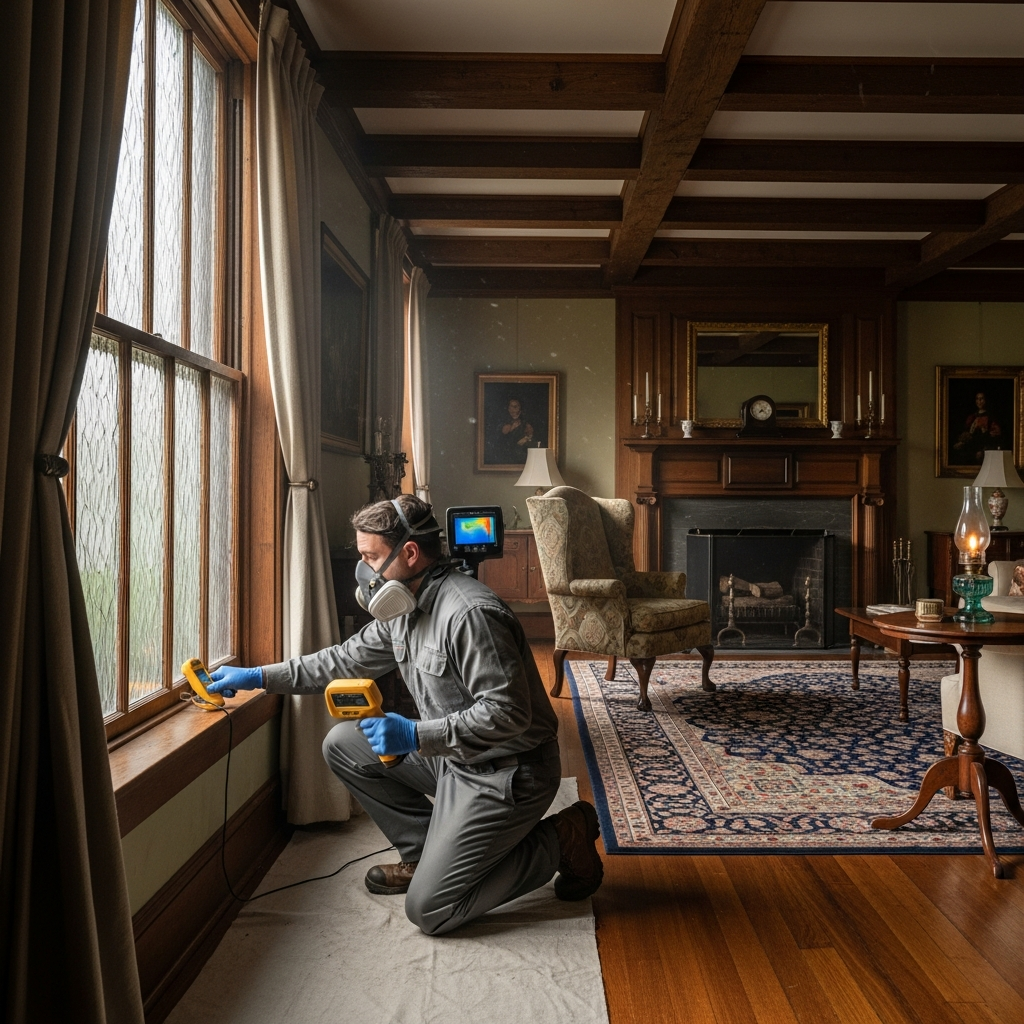
Introduction: Understanding the Investment Behind a Mold Inspection in Bloomfield, New Jersey
Thinking about scheduling a mold inspection in Bloomfield, New Jersey, but unsure how to plan for the overall investment? You are not alone. Many homeowners want to understand what shapes the scope, depth, and value of a comprehensive evaluation before they book an appointment. In this guide, we will explore the elements that influence the total picture—property characteristics, inspection methods, documentation, and follow-up—so you can make a confident, informed decision. Whether you live near Brookdale Park, in a historic colonial, or in a newer multifamily building, a well-designed inspection can help you protect your indoor air quality and preserve your home. If you are ready to talk with a specialist, consider reaching out for a professional mold inspection so you understand what is included and what to expect from start to finish.
While every home is unique, the fundamentals of an effective inspection remain consistent: a focused visual assessment, moisture mapping, strategic sampling when indicated, and a clear, actionable report. The sections below break down the key variables that influence the level of effort, time on site, and analysis needed, helping you see where your project may fall on the spectrum—from a straightforward, limited review to a more detailed, whole-home diagnostic.
Why Clarity Matters Before You Book
Clarity protects both you and your inspector. By defining your goals—such as documenting indoor conditions for peace of mind, investigating suspected growth in a particular room, or evaluating water damage after a storm—you help the inspector tailor the plan. When you understand what drives the inspection’s depth and duration, you can align expectations around the number of areas to be examined, testing approaches, and reporting detail. This leads to fewer surprises, smoother scheduling, and a final deliverable that genuinely answers your questions.
In Bloomfield, seasonality, humidity swings, and storm events can shape indoor moisture dynamics. Winter thaw and spring rains challenge basements and crawlspaces, while summer humidity tests ventilation and cooling systems. If your home has a history of dampness, the inspector may recommend enhanced moisture diagnostics or targeted sampling, which can change the level of analysis and documentation required. Establishing your priorities at the outset ensures the inspection responds to these local realities.
Key Factors That Shape the Overall Scope
Several elements commonly influence the breadth and depth of a mold inspection. No single factor dictates the plan, but together they point to the right approach for your home:
- Property size and layout: Larger or more segmented layouts require more time for thorough visual checks, moisture readings, and documentation.
- Age and construction: Older homes in Bloomfield may feature plaster walls, fieldstone foundations, and legacy ventilation systems that warrant closer attention to hidden cavities and air movement.
- Moisture history: Past leaks, flooding, roof penetrations, or bathroom exhaust issues typically prompt deeper moisture mapping and more extensive note-taking.
- Visible discoloration: If you see suspect staining on drywall, baseboards, window sills, or attic sheathing, the inspector may focus on those areas with targeted testing and careful documentation.
- HVAC complexity: Ducted systems, multiple air handlers, or filters in poor condition can call for expanded inspection of returns, supplies, and coil areas.
- Occupant concerns: If residents report musty odors, allergy-like symptoms, or sensitivity in specific rooms, the inspection may include time to correlate complaints with moisture patterns, ventilation, or housekeeping factors.
- Access limitations: Locked rooms, heavy storage, finished walls around suspected sources, or seasonal snow and ice can increase the time necessary to safely and respectfully investigate.
Inspection Methods and When to Use Them
Every mold inspection begins with an expert visual assessment, but some situations call for additional diagnostic steps. Sampling is not always required, and a skilled professional will explain when it adds meaningful clarity versus when it may be unnecessary. Common methods include:
- Moisture measurements: Pin or pinless meters help pinpoint damp building materials that may not look wet yet are harboring hidden issues.
- Thermal imaging: Infrared cameras identify temperature differences that can indicate wet insulation, roof leaks, or condensation patterns behind surfaces.
- Air sampling: Strategic indoor and comparative outdoor samples can characterize airborne spores in spaces with disputed or unclear concerns.
- Surface sampling: Tape lifts or swabs from visible staining provide lab confirmation of the type of fungal growth on a material.
- Humidity and temperature logging: Short-term measurements provide context around comfort and ventilation patterns that may be influencing condensation.
When you and your inspector discuss optional methods, ask how the results will be used in the report. The goal is to ensure that any testing complements the visual and moisture assessment and produces actionable insights. When performed for the right reasons, a professional mold inspection synthesizes these tools into a single, coherent narrative about your home’s indoor environment.
Bloomfield-Specific Considerations
Local context matters. In Bloomfield, many basements are partially below grade, making them vulnerable to bulk water intrusion and seasonal dampness. Attics in older capes and colonials may have complex knee-wall spaces where warm indoor air can leak into cold zones, creating condensation on sheathing and rafters. Street trees and heavy foliage around foundations may limit evaporation and promote damp soil conditions near exterior walls. These characteristics inform the inspection sequence, with special attention on:
- Grading and drainage around the foundation
- Gutter and downspout performance and discharge distance
- Basement slab cracks, sump areas, and perimeter seepage
- Attic ventilation balance between intake and exhaust
- Bathroom and kitchen exhaust routing to the outdoors
- Window sills and trim where condensation may collect in winter
By recognizing how Bloomfield’s housing stock and climate interact, your inspector can prioritize the most probable sources of persistent dampness and target the inspection accordingly.
Defining the Scope: Room-by-Room or Whole-Home
Before you schedule, decide whether you want a focused inspection of a particular area—say, the basement or a bathroom—or a full-property evaluation that covers exterior systems, living areas, attics, and mechanicals. A room-specific evaluation may be appropriate if there is a known leak or a single symptom zone, whereas a whole-home assessment is often best when there are diffuse odors, multiple suspect locations, or long-standing humidity issues. Defining the scope clarifies time on site, documentation level, and whether ancillary sampling will add real value.
Documentation Depth and Deliverables
Not all reports are created equal. Discuss in advance what the deliverable will include, such as:
- Summary of concerns and objectives
- Narrative findings with photos and moisture readings
- Explanation of any sampling performed, methods, and limitations
- Interpretation of lab results in plain language
- Prioritized recommendations that focus on source-control and prevention
- Suggested maintenance steps to stabilize indoor conditions
Clear documentation ensures that you, contractors, and other stakeholders have the same roadmap. It also becomes a baseline for future monitoring and can be helpful if you are planning improvements or evaluating a property transaction.
Scheduling, Access, and Time Considerations
How you schedule can influence the efficiency of the visit. Make sure all areas of concern are accessible: move storage from suspect walls, ensure doors can be opened, and secure pets. If your home includes tenants or elderly residents, coordinate access windows ahead of time so the inspector can work methodically without interruption. Ask about estimated time on site and any preparation steps that could streamline the assessment. When access is smooth and the scope is well-defined, the inspection tends to be more focused, with cleaner data and clearer conclusions.
Preparation Tips to Streamline the Visit
- List every area where you have noticed dampness, musty odors, or staining, and note when these issues seem to appear.
- Gather any records about past leaks, roof work, plumbing repairs, or HVAC maintenance.
- Clean or replace HVAC filters before the appointment to reduce dust and allow better observation of airflow.
- Ensure bathroom and kitchen fans are operational so ventilation can be assessed.
- Clear under-sink cabinets, move boxes at least a foot away from basement perimeter walls, and remove items blocking attic access.
These simple steps help your inspector focus on diagnosing conditions rather than navigating obstacles, and they often reveal patterns that are easy to miss during a hurried walkthrough.
Red Flags to Watch For When Selecting an Inspector
- Vague descriptions of the inspection process with no mention of moisture diagnostics or documentation
- Promising definitive conclusions without considering building science, ventilation, and occupant behavior
- Recommending unnecessary sampling before evaluating the building’s moisture pathways
- Reports that lack photos, measurements, or clear explanations of findings
- Minimal attention to attics, crawlspaces, or mechanical systems where hidden problems often start
An experienced professional in Bloomfield will tailor the approach to your home’s design and history, explain the value of each step, and deliver recommendations that target root causes rather than symptoms.
How to Communicate Your Goals Clearly
Consider sending a short message before the appointment summarizing your top concerns: where you notice odors, times of year when problems worsen, and areas with past water incidents. Share photos if available, and ask the inspector to confirm the planned scope, including whether optional sampling might be appropriate. If you are seeking documentation for a renovation plan or property transaction, mention that explicitly so the report addresses those needs. This collaboration ensures a more precise, relevant inspection for your property.
After the Inspection: Making the Most of the Findings
Once you receive the report, review the prioritized recommendations and ask clarifying questions. The most valuable takeaways often involve controlling moisture sources, improving ventilation, and adjusting occupant habits. Even simple changes—like running bath fans longer after showers, using lids while cooking, or relocating stored items off cool basement walls—can stabilize indoor conditions. Larger recommendations may involve enhancing drainage, sealing air leaks to reduce attic condensation, or adjusting HVAC balance. Keep your report accessible and revisit it seasonally to track progress.
Frequently Asked Questions
Q: How long does a typical inspection take?
A: Time on site depends on property size, layout complexity, access, and the number of areas of concern. A focused inspection of a specific room takes less time than a whole-home evaluation that includes exterior systems, attic, basement, and mechanicals.
Q: Do I always need air or surface sampling?
A: Not necessarily. Sampling adds value when it will clarify uncertain visual findings, help compare areas, or document conditions for a specific purpose. A thorough visual and moisture assessment is the foundation of any good inspection.
Q: Will the inspection disrupt my home?
A: Inspectors aim to minimize disruption. They may move small items to access suspect areas and will use non-invasive tools first. If intrusive checks are ever considered, they will be discussed with you in advance.
Q: What if nothing obvious is found?
A: A clean bill of health is still valuable. It provides a baseline and often uncovers maintenance opportunities that improve resilience, like sealing air leaks or balancing ventilation.
Q: Can I be present during the inspection?
A: Yes, and it can be helpful. Many inspectors welcome homeowner questions and will point out findings in real time, which makes the final report easier to understand.
Q: Will the report include photos and measurements?
A: A well-prepared report typically includes narrative descriptions, photos, and moisture readings where applicable, along with practical recommendations.
Q: How soon will I receive my report?
A: Turnaround depends on the level of documentation and any laboratory analysis. Ask your inspector for an estimated timeline before the appointment.
Q: What should I do if the report identifies multiple areas of concern?
A: Focus first on controlling moisture at the source. Tackle actions in order of priority as outlined in the report, starting with steps that prevent further dampness and protect indoor air quality.
Smart Next Steps for Bloomfield Homeowners
Investing in a clear, methodical mold inspection pays dividends in confidence and indoor comfort. Define your goals, prepare your home for efficient access, and select a professional who explains the process and tailors the scope to Bloomfield’s housing characteristics. When you are ready to move forward, take the step that brings clarity and peace of mind by booking a trusted mold inspection. The right evaluation turns questions into a plan—helping you create a healthier, more resilient home for years to come.