
Understanding the Need for Local Mold Inspections in Bloomfield, New Jersey
When you search for mold inspection services near me in Bloomfield, New Jersey, you are likely motivated by a clear goal: protecting your home, your health, and your peace of mind. Homes in Essex County blend older architectural charm with modern renovations, and while that character is part of Bloomfield’s appeal, it can also hide moisture problems that allow mold to flourish. From damp basements to insulated attics, mold can grow quietly long before it becomes visible or produces a strong odor. Taking a proactive approach with professional mold inspection services helps you uncover hidden concerns and create a plan to maintain a safe, dry indoor environment for your family.
Local expertise matters. Seasonal temperature swings, coastal humidity patterns, nor’easter rain events, and snowmelt all influence moisture behavior in Bloomfield homes. A local inspector understands these patterns, knows which building materials are common in the area, and recognizes how older plumbing, original foundations, and past renovation practices can contribute to condensation and leaks. When you prioritize a thorough inspection from someone who knows the neighborhood, you are better equipped to identify the root cause of mold-friendly conditions and prevent recurring issues.
Why Mold Is a Concern for Bloomfield Homeowners
Mold is a natural part of our environment, but indoors it becomes problematic. Spores travel through the air and land on surfaces; when moisture and a food source are present, colonies can develop on drywall, wood framing, carpet backing, and even dust. Some people are especially sensitive to mold and experience discomfort in the form of nasal congestion, coughing, or eye irritation. Others may notice persistent musty odors or discoloration on walls and ceilings. Even if you do not see obvious growth, hidden mold behind baseboards or in wall cavities can exist if a slow leak or periods of high humidity persist.
Beyond comfort, mold signals an underlying moisture imbalance. That imbalance can compromise building materials over time, weakening drywall and wood. Detecting where moisture originates and how it travels through the structure helps you address more than the symptom; it ensures you are correcting the conditions that allowed the problem in the first place. An experienced inspector uses visual assessment techniques, moisture meters, and thermal imaging to map moisture pathways and pinpoint likely sources.
Common Bloomfield Risk Areas and Clues You May Need an Inspection
Bloomfield’s housing stock includes basements with stone or concrete foundations, attic spaces with older ventilation setups, and bathrooms that may rely on windows rather than modern exhaust fans. Each of these areas can present risks. Basements often face hydrostatic pressure during heavy rains, allowing moisture to wick through walls or accumulate on floors. Attics can trap humid air in summer or experience condensation during winter temperature shifts if ventilation is insufficient. Bathrooms and kitchens, meanwhile, generate regular water vapor and require consistent airflow to stay dry.
Indications that you may benefit from a professional inspection include a persistent musty scent, recent plumbing repairs, discolored paint or bubbling on walls, recurring condensation on windows, chronic allergy-like symptoms that improve when you spend time away from home, and previous water intrusion events. If your home has undergone recent renovations, especially behind-the-wall improvements, an inspection can verify that no hidden moisture remains and that materials were properly dried before enclosure.
What a Professional Mold Inspection Involves
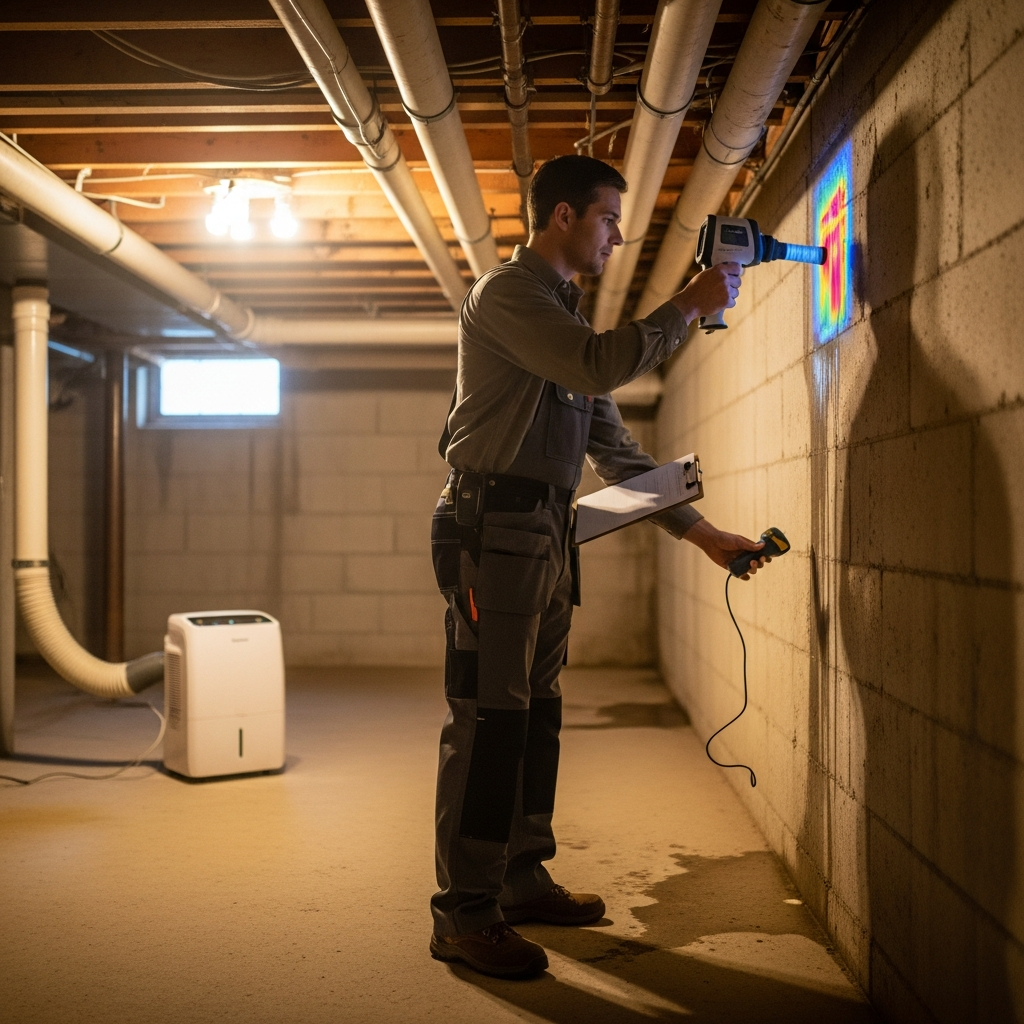
A comprehensive mold inspection is more than a quick walkthrough. It begins with a discussion of your concerns, the history of your home, and any past leaks or flooding incidents. The inspector conducts a detailed visual assessment of interior and exterior conditions, looking for water stains, efflorescence, warped materials, or organic growth. Moisture meters are used to test drywall, baseboards, and flooring in targeted areas. Thermal imaging helps reveal temperature variations consistent with moisture intrusion, such as around window frames, below roof lines, and behind shower walls.
If conditions suggest that airborne spores may be elevated, air sampling can be performed to compare indoor levels with outdoor baselines. Surface sampling may also be useful when a suspicious spot requires confirmation. Together, these tools help the inspector determine where mold may be active, whether humidity is elevated, and how ventilation, drainage, or building envelope issues contribute to the problem. The final deliverable is a clear report outlining findings, photos, moisture readings, and recommendations.
How Inspections Differ from Remediation
It is important to distinguish inspection from remediation. An inspection assesses the building, documents conditions, and recommends corrective actions. Remediation is the process of removing mold growth and contaminated materials under controlled conditions. A trusted inspector will present unbiased findings and may offer guidance for engaging a qualified remediation firm if needed. For homeowners, this separation ensures you receive objective results and a step-by-step plan for addressing moisture sources, improving ventilation, and preventing future recurrence.
Local Knowledge Makes a Difference
In Bloomfield, precipitation, aging infrastructure, and seasonal humidity create a unique moisture profile. Experienced local inspectors understand how gutter overflows lead to water intrusion along basement walls, why poorly sealed attic penetrations invite warm interior air to condense in cold months, and how landscape grading near older homes can push water toward foundations. They also recognize the signs of historic leaks around chimneys, dormers, and skylights that may have been repaired cosmetically without fully addressing moisture migration.
Local insight also improves communication. An inspector who has evaluated dozens of nearby homes will talk in practical terms about likely causes and realistic solutions that align with typical construction methods in the area. This guidance is especially helpful if you plan a renovation and want to ensure materials stay dry during and after the project. In the middle of your decision-making process, you may find it helpful to reference trusted mold inspection services so you can compare scopes of work, inspection depth, and reporting clarity.
Preparing for an Inspection
Before an inspector arrives, take a moment to list your concerns, note any recent leaks or appliance malfunctions, and identify areas where you have observed stains or odors. Clear access to mechanical rooms, under-sink cabinets, attic hatches, and basement perimeter walls helps the inspector perform a more efficient evaluation. Gathering information about past roof repairs, window replacements, and bathroom remodels can provide useful context as the inspector traces moisture patterns.
If possible, avoid running air purifiers or ozone devices immediately before sampling, as they can skew results. Do not paint over suspicious stains prior to the inspection; this can conceal valuable clues. If you have a dehumidifier, continue using it normally so the inspector sees typical indoor conditions rather than an artificially altered environment.
After the Inspection: Understanding Your Report
A quality inspection report should be easy to navigate. Expect a summary of findings, a description of the methods used, photos of notable areas, measured moisture levels where relevant, and specific recommendations to correct contributing factors. These recommendations may include adjustments to drainage and grading outside the home, improvements to attic ventilation, sealing of bath fan ducts, or plumbing repairs. Where visible mold is confirmed, the report should explain where it is located, what materials are affected, and what steps are needed to safely address it.
Use the report as a roadmap. If remediation is recommended, follow the sequence laid out by the inspector—first addressing moisture sources, then managing containment and removal, and finally verifying that conditions have returned to a normal, dry state. Clear documentation provides confidence and helps you make informed decisions about future maintenance, renovations, and air quality improvements.
Prevention Tips for Bloomfield Homes
Prevention is often the most cost-effective strategy in the long run, and it begins with managing moisture. Ensure gutters and downspouts direct water away from the foundation, and keep splash blocks or extensions in good condition. Check basement walls during heavy rains for signs of dampness. In bathrooms, run exhaust fans during and after showers to remove humidity. In kitchens, use range hoods when boiling or dishwashing. Maintain indoor relative humidity in a comfortable range with dehumidifiers where needed, especially in lower levels or older homes with minimal sub-slab vapor barriers.
Monitor plumbing fixtures regularly, particularly supply lines to refrigerators, dishwashers, and washing machines. Replace aging hoses and use leak detectors in high-risk areas. In the attic, verify that insulation does not block soffit vents and that bath and kitchen exhausts vent to the outdoors rather than into the attic space. Regularly inspect window seals and flashing to prevent slow leaks that can wet surrounding drywall or framing.
Frequently Asked Questions
Q: How do I know whether my Bloomfield home truly needs a mold inspection? A: Consider an inspection if you notice musty odors, recent water intrusion, visible discoloration on walls or ceilings, or persistent respiratory irritation indoors. Also consider one after renovations or roof repairs to confirm no trapped moisture remains.
Q: What tools will a professional use during the evaluation? A: Inspectors often use moisture meters, hygrometers to assess humidity, and thermal imaging cameras to identify temperature patterns consistent with hidden moisture. Visual assessment remains essential for interpreting the data.
Q: Will sampling always be necessary? A: Not always. If visible growth is present and the moisture source is clear, the focus may be on correction rather than testing. Sampling is more common when growth is suspected but not visible, or when occupants have health concerns and need additional clarity about airborne spores.
Q: How long does an inspection take? A: Duration depends on property size and complexity. A thorough assessment includes time for discussion, careful observation, data collection, and clear documentation so that the final report is useful and actionable.
Q: What happens if mold is confirmed? A: The inspector will outline targeted steps to address moisture sources and recommend a safe, controlled removal process. After corrective actions, verification can ensure that the space has returned to expected indoor conditions.
Working with Your Neighborhood Experts
Choosing a nearby professional adds convenience and context. A local inspector is reachable for follow-up questions and understands how Bloomfield’s building styles influence moisture behavior. You gain a partner who can help you prioritize steps, from small ventilation improvements to more comprehensive repairs, and who can revisit your home after changes to confirm effectiveness. Documenting progress over time builds confidence and helps keep your living spaces comfortable.
Protect Your Home with a Proactive Plan
A mold inspection is ultimately an investment in the longevity of your home and the comfort of those who live in it. By identifying vulnerabilities and confirming that spaces are dry and clean, you reduce the risk of recurring issues and create a healthier indoor environment. Whether you are responding to a recent problem or practicing preventive care, a structured assessment offers clarity and peace of mind.
Take the Next Step in Bloomfield
If you are ready to move forward, connect with a trusted local provider who can evaluate your property thoroughly, explain findings in plain language, and help you chart a path toward lasting indoor comfort. Schedule a visit, gather your questions, and take control of moisture before it takes control of your space. For dependable guidance and a detailed plan tailored to Bloomfield homes, reach out to professional mold inspection services today and make your home healthier, drier, and more resilient for years to come.