
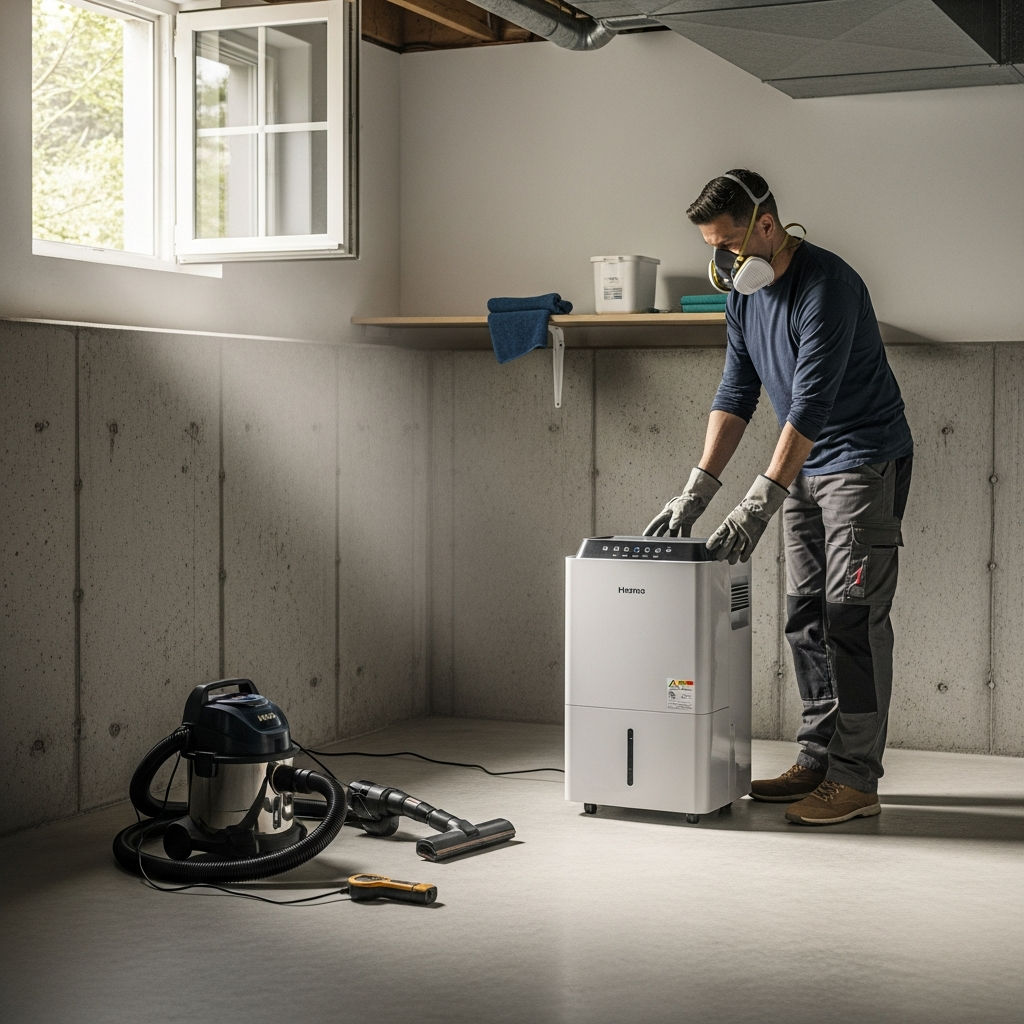
When a musty, earthy smell lingers in your Bloomfield, New Jersey home, it is more than a nuisance—it is a signal that moisture and microscopic growth have found a foothold. Summer humidity, spring rains, winter snowmelt, and tightly sealed interiors create conditions that allow odors to persist in basements, bathrooms, crawlspaces, and closets. With the right plan, you can break the cycle and reclaim the fresh, neutral scent that makes a house feel clean and comfortable. If you want quick context while you read, this guide links to a resource on mold odor that focuses on practical solutions and prevention.
Removing mold odor is not simply about masking smells. It is a process of locating hidden moisture, eliminating odor reservoirs, improving ventilation, and setting up habits that prevent the problem from returning. Whether you live near Brookdale Park, along the Watchung Avenue corridor, or in a cozy townhouse off Bloomfield Avenue, the steps below will fit most homes and materials, from plaster and hardwood to drywall and carpet.
Understand Why Mold Odor Happens
Mold odor arises from volatile organic compounds created by microbial growth as it feeds on cellulose, dust, and other organic matter. In a home, these odors intensify when humidity rises above 60%, when conditioned air does not reach corners and cavities, and when porous materials absorb smells like a sponge. Basements and bathrooms are common culprits in Bloomfield because older foundations may weep, small exhaust fans underperform, and storm-driven rain can infiltrate through tiny gaps.
Think of odor management as a chain: moisture drives growth, growth drives odor, and stagnant air distributes it. Break any link—dry the space, remove the source, ventilate effectively—and the smell will weaken or disappear.
Safety and Preparation
Before you begin, plan for safety. Wear disposable gloves, protective eyewear, and a respirator rated for particulates when you disturb dusty surfaces. Open windows when weather allows, and run a bathroom or kitchen exhaust fan to move air outside. If the odor is very strong, you experience irritation, or you suspect a large hidden problem behind walls, consider pausing to evaluate whether parts of the job are better left to experienced help.
Tools and Materials You Will Need
- Dehumidifier capable of maintaining indoor relative humidity between 40% and 50%.
- High-efficiency vacuum with a HEPA filter for fine particles.
- Non-ammonia, non-bleach cleaner suitable for hard surfaces; mild detergent for general cleaning.
- Microfiber cloths, soft brushes, and non-shedding sponges.
- Plastic bags for disposing of debris and spent filters.
- Moisture meter or inexpensive hygrometer to monitor conditions.
- New furnace filter with a higher MERV rating compatible with your HVAC system.
- Odor-absorbing media such as activated carbon packs or baking soda for temporary control.
Step-by-Step Odor Removal Plan
-
Stabilize humidity. Run a dehumidifier in the basement or the most humid area and set it to 45% to 50%. In Bloomfield’s humid months, continuous operation may be necessary. Empty the reservoir or attach a condensate hose to a floor drain.
-
Ventilate strategically. Use exhaust fans in kitchens and bathrooms during and for 20 minutes after moisture-generating activities. If weather permits, create cross-ventilation by opening windows on opposite sides of the home.
-
Hunt for moisture. Check under sinks, around toilets, behind washing machines, and near foundation walls. Use a moisture meter if available. Look for condensation on cold water pipes and on the inside of basement windows.
-
Clean the obvious reservoirs. Wash bathroom tile, grout lines, and shower surrounds with a non-ammonia cleaner. Wipe down baseboards, window sills, and door trims where dust collects. Vacuum carpets and area rugs thoroughly with a HEPA vacuum, making multiple slow passes.
-
Address porous items. Launder washable fabrics—curtains, towels, shower curtains, throw blankets—on a hot water cycle if safe for the fabric. Sun-dry items when possible to combine heat and UV exposure.
-
Neutralize the HVAC contribution. Replace the furnace filter, vacuum supply and return grilles, and wipe inside the first few inches of each register. If the odor intensifies when the blower runs, this step can make a fast difference.
-
Treat overlooked spaces. Clean closet floors, the back sides of closet doors, and shelving undersides. Pull furniture slightly off walls to vacuum dust bunnies and allow airflow.
-
Seal minor air leaks. Use caulk and weatherstripping around window frames, sill plates, and door thresholds to reduce humid air infiltration that fuels odor.
-
Deodorize wisely. Place activated carbon or open baking soda boxes near stubborn zones for a few days while deeper fixes take effect. These do not cure the cause but help keep indoor air pleasant while you work.
-
Reassess. After 48 to 72 hours of drying and cleaning, do a whole-home walkthrough. If the smell remains strongest in one area, focus your next round there and consider targeted material removal such as pulling a small baseboard section to inspect behind it.
Where Odors Hide in Bloomfield Homes
- Basement corners where foundation walls meet slab floors, especially near downspout discharge points.
- Under stair treads leading to basements, where dust and moisture accumulate.
- Behind bathroom vanities and along tub aprons where caulk has failed.
- In cold closets on exterior walls where warm indoor air meets cooler surfaces and condenses.
- Inside front-load washing machines with door gaskets that trap moisture.
Mid-Project Checkpoint
By the midpoint, humidity should be controlled, major dust should be removed, and obvious wet spots should be drying. If the odor persists without any improvement, the source may be inside a wall cavity, behind paneling, or within HVAC ductwork. At this stage, some homeowners enlist professional mold odor support to access hidden spaces without unnecessary demolition, or to handle specialized duct cleaning and sealed-source removal.
Prevention: Keep Odor Away After You Win
- Maintain indoor humidity in the 40% to 50% range year-round.
- Run bathroom fans on a timer for 20 minutes after showers.
- Use a covered lid for sump pits and ensure check valves are operating.
- Extend downspouts at least several feet from the foundation and keep gutters clear.
- Rotate and launder textiles weekly; deep-clean carpets seasonally.
- Change HVAC filters on a schedule and keep return grills dust-free.
Special Situations and Solutions
Finished basements are beloved in Bloomfield, but they can trap odor if drywall and insulation absorb moisture from the slab or foundation walls. If mustiness returns after basic cleaning, consider installing a continuous dehumidifier with an external drain line, sealing rim joists, and using area rugs over hard-surface flooring rather than wall-to-wall carpet in below-grade rooms.
Bathrooms benefit from properly sized exhaust fans; many older fans move far less air than their labels suggest. If mirrors fog persistently, the fan may be insufficient or ducted poorly. Upgrading to a quieter, more powerful unit with a humidistat can make a dramatic difference in odor control over time.
When to Seek Extra Help
Call in help if you see widespread staining, if odors intensify after cleaning, or if vulnerable occupants—infants, older adults, or people with respiratory issues—experience discomfort. Specialists can conduct moisture mapping, thermal imaging, and cavity testing to pinpoint odor sources quickly and recommend targeted removal or drying strategies.
Frequently Asked Questions
Q: Can I eliminate mold odor without removing materials? A: Sometimes, if the odor is light and due to surface dust and humidity. However, if a porous material like carpet padding or drywall is saturated or colonized, removal is often the only lasting solution.
Q: Will air purifiers fix the smell? A: Purifiers with HEPA and activated carbon can reduce airborne particles and odor molecules, providing relief while you dry and clean. They rarely eliminate the root cause, so pair them with moisture control and source removal.
Q: Is bleach the best cleaner? A: Bleach can discolor and may release fumes; it is also less effective on porous materials. Choose cleaners appropriate for the surface and prioritize drying and removal of odor reservoirs.
Q: How long should it take to notice improvement? A: With humidity control and thorough cleaning, many homes show improvement within two to three days. Stubborn cases may require a week or two of sustained drying and targeted source work.
Q: What indoor humidity is safe? A: Aim for 40% to 50%. Below 40% may be uncomfortable in winter; above 55% encourages odor and growth.
Q: Do scented products help? A: Fragrances can mask odor temporarily but do not correct the cause and may irritate sensitive occupants. Focus on neutralization by removal and ventilation.
Q: Should I test the air? A: Air testing can be informative but is not always necessary to solve odor. Visual inspection, moisture detection, and odor-tracking are often more actionable.
Ready to Breathe Easy in Bloomfield?
If your home still carries a stubborn musty smell after you follow these steps, do not settle for temporary cover-ups. Get targeted help, maintain humidity control, and verify results with your senses and simple meters. For guidance that aligns with the methods in this guide and can be scaled to your situation, explore focused mold odor solutions and take back the fresh, comfortable indoor air your Bloomfield home deserves.