
If your Bloomfield, New Jersey home smells musty after rain, during humid spells, or when the heat turns on, it is time for a disciplined inspection. A structured checklist saves time, keeps you objective, and ensures you do not overlook small details that create big odors. This guide walks you through a full-home review that suits Bloomfield’s mix of older colonials, capes, and multifamily buildings. Early in your walkthrough, you will see a reference to mold odor resources that complement the tasks below with practical fixes.
Pre-Inspection Preparation
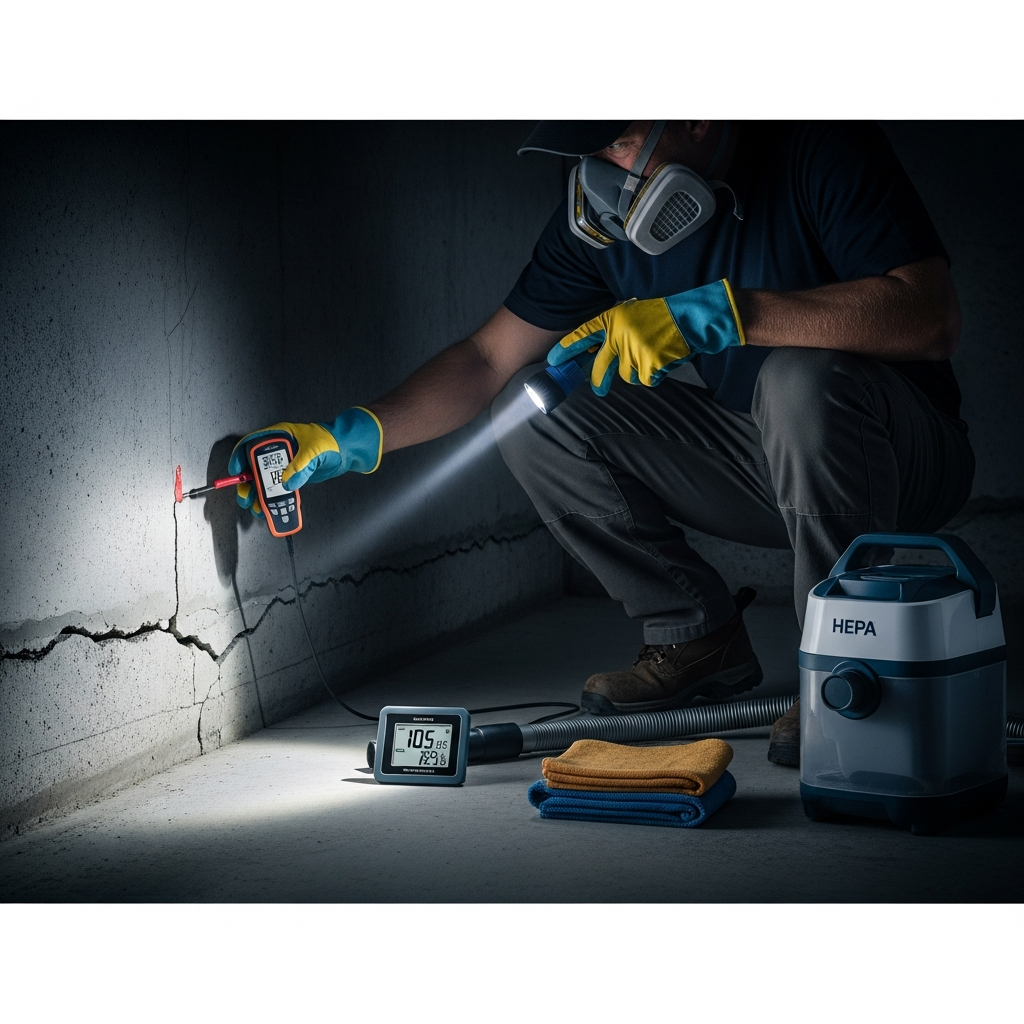
- Gather tools: flashlight, hygrometer, moisture meter if available, screwdrivers, utility knife, HEPA vacuum, microfiber cloths, and heavy-duty trash bags.
- Set a baseline: close windows for 12 to 24 hours, run HVAC normally, and note rooms where odor is strongest.
- Safety: wear gloves and a particulate respirator for dusty or confined areas, and have a second person nearby if you access attics or crawlspaces.
Exterior First: Keep Water Out
- Roof and gutters: look for missing shingles, clogged gutters, and downspouts that end at the foundation. Extend downspouts several feet to move water away.
- Grading: ensure soil slopes away from the house. Regrade or add extensions where water pools.
- Siding and trim: inspect for gaps around windows and doors. Caulk or weatherstrip as needed to block humid air intrusion.
- Foundation: check for cracks, efflorescence, or wet streaks after rain. Note any seams where water tracks downward.
Entry and Living Spaces
- Entry mats and closets: musty mats and stored shoes can seed an odor that spreads. Launder or replace mats and air out closets.
- Window sills and trim: wipe dust and check for condensation marks or peeling paint, signs of intermittent moisture.
- Furniture placement: ensure sofas and bookcases have space behind them to allow airflow and prevent cool-surface condensation.
Kitchen Inspection
- Sink base: inspect the cabinet floor and back for stains or swelling. Run water and watch the P-trap and supply lines for drips.
- Dishwasher: pull the toe-kick and check for dampness or odor underneath. Run a cleaning cycle and clean filters.
- Range hood: confirm that it vents outside and that the duct is intact; recirculating hoods can trap humidity indoors.
Bathroom Inspection
- Exhaust fan: run the fan and hold a tissue to the grille; it should hold firmly, indicating adequate draw. Clean the grille and consider a timer.
- Caulk and grout: look for cracked caulk around tubs and showers. Reseal where needed to stop water migration.
- Vanity backs and bases: remove drawers, inspect for water trails from supply valves and drains, and clean dust that holds odor compounds.
Laundry and Utility Areas
- Washer gaskets and detergent drawers: wipe away residue and leave doors ajar between loads.
- Dryer venting: confirm it exhausts outside and the duct run is smooth and clean to limit moisture return indoors.
- Water heater and valves: look for slow leaks, rust trails, and dampness on the floor.
Basement and Crawlspace
- Humidity: run a dehumidifier and target 45% to 50% RH. Note any corners where readings stay higher.
- Foundation-wall junction: inspect the cove joint where wall meets slab; this is a frequent seepage path after storms.
- Sump pit: ensure the lid seals and the pump operates. Odors can escape from open pits even when water is controlled.
- Storage: elevate boxes off floors; move cardboard and fabrics away from walls.
Attic and Roof Penetrations
- Ventilation: ridge vents, soffit vents, and gable vents should be unobstructed. Poor attic ventilation can trap moist air that migrates downward.
- Bath fan ducts: confirm they discharge outside, not into the attic.
- Roof leaks: inspect around chimneys, skylights, and vent stacks for stains.
HVAC System
- Filters and returns: replace filters and vacuum returns. Dust is an odor carrier.
- Condensate management: check the AC condensate pan and drain line for clogs and standing water.
- Duct condition: listen for airflow and note any musty surge when the blower starts, which can indicate duct contamination.
Porous Materials and Furnishings
- Carpets and pads: sniff test at floor level; if odor spikes, plan for deep cleaning or pad replacement.
- Upholstery and drapes: schedule laundering or professional cleaning for musty textiles.
- Paper goods: relocate archives and cardboard to dry, elevated storage.
Documentation and Scoring
Rate each area from 1 (fresh) to 5 (strong odor) and note specific issues: humidity, visible stains, air stagnation, or suspected hidden sources. Take photos and keep a simple map so you can compare before-and-after conditions as you fix items.
Action Plan: Prioritize for Impact
-
Dry the wettest zones first: dehumidify basements and ventilate bathrooms.
-
Remove odor reservoirs: launder textiles, clean carpets, and purge cardboard.
-
Seal leaks and gaps: caulk, weatherstrip, and re-caulk wet areas.
-
Service HVAC: change filters, clean grilles, and verify condensate drainage.
-
Reassess after 72 hours: do a fresh walkthrough, update scores, and target the most stubborn area next.
Mid-Checklist Guidance
As you work, expect partial improvement first. The baseline odor should fade, and any remaining smell should narrow to a room, material, or appliance. If progress stalls or the odor seems to live in a wall cavity or duct liner, you may need specialized help or cavity access. For alignment with industry-standard tactics on persistent mold odor, review targeted methods that mirror the sequence in this checklist.
Seasonal Adjustments for Bloomfield
- Spring: clean gutters, extend downspouts, and verify grading after freeze-thaw cycles.
- Summer: maintain dehumidification and run bath and kitchen fans longer to manage humidity spikes.
- Fall: replace filters and vacuum returns before heating season to avoid a musty “first heat” wave.
- Winter: watch for condensation on windows and in cold closets; add airflow and keep humidity near 40%.
Frequently Asked Questions
Q: How long should a full inspection take? A: A thorough first pass can take three to six hours, depending on the size of your home and the number of storage areas. Future follow-ups are much faster when you track your findings.
Q: Do I need laboratory testing to proceed? A: Not for most odor problems. Moisture findings and odor patterns usually provide enough direction to act. Testing can be useful if you need documentation for a landlord or insurance claim.
Q: What if the odor only appears after long rainstorms? A: That suggests seasonal seepage. Focus your efforts outside—grading, gutters, downspouts—and run dehumidification proactively when storms are forecast.
Q: Can I repaint to seal in the smell? A: Paint designed for odor sealing can help on stained, cleaned surfaces, but it will not stop a moisture source. Always resolve moisture and remove odor reservoirs first.
Q: How can I tell if it is the HVAC? A: If odor pulses through several rooms at once when the blower starts, investigate the air handler filter slot, return ducts, and condensate system before looking elsewhere.
Q: Are basement carpets a lost cause? A: Not always. If humidity control is strong and the pad has not been saturated, hot-water extraction and thorough drying can work. If padding is wet or smells strongly, replacement is often the right move.
Make Your Home Smell Like Home Again
Checklists turn guesswork into progress. Work from the outside in, dry first, and remove odor reservoirs second. Confirm each change with a fresh walkthrough. If you want a targeted playbook to pair with your notes and photos, consider proven mold odor solutions that scale from DIY steps to specialized help, and enjoy a fresher, more comfortable Bloomfield home.