
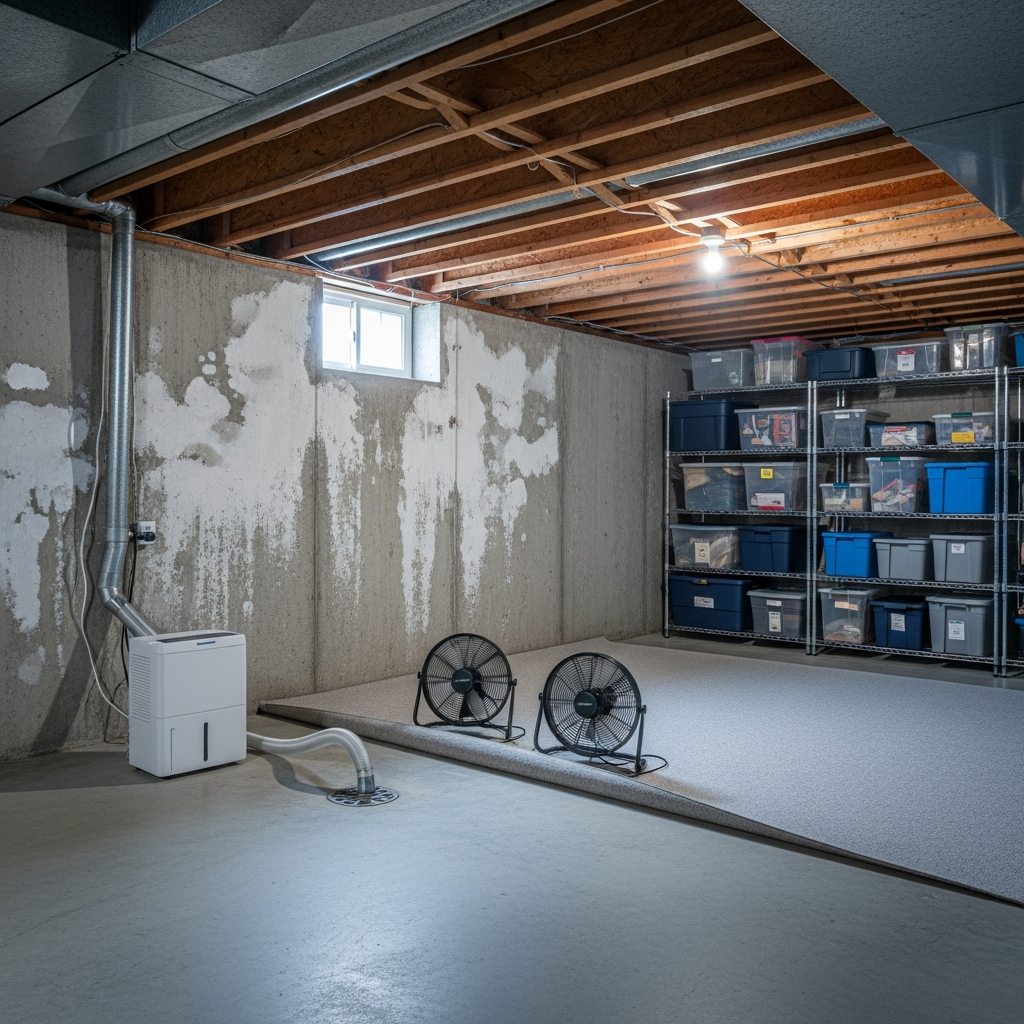
Conquer Basement Mold Odors in Bloomfield, New Jersey
Basements in Bloomfield often serve as storage, laundry, or living space, but they also battle damp air, groundwater pressure, and slow-drying concrete. When a musty smell creeps upstairs, it is a sign your basement is retaining moisture or harboring hidden growth on wood, paper, textiles, or dust. This comprehensive guide walks you through diagnosing the cause, drying the structure, cleaning effectively, and preventing the smell from returning. If you prefer expert hands and quick results, local professionals in mold odor removal can help clear the air while addressing the underlying moisture issues unique to Essex County homes.
Because concrete, masonry, and stored contents are often cool to the touch, basements become magnets for condensation during humid months. Odors intensify when ventilation is poor or when boxes, carpets, and furniture block airflow along exterior walls. Successful odor removal starts with humidity control and targeted cleaning, then continues with drainage and air sealing improvements.
Understand the Source: Odor Is a Moisture Message
Mold odor is a byproduct of microbial activity fueled by available moisture. In basements, common sources include seepage through foundation cracks, capillary wicking through porous concrete, plumbing leaks, dryer vents that terminate inside, and uninsulated cold-water pipes dripping with condensation. Even if you do not see visible staining, paper labels on boxes, exposed floor joists, and wood shelving can host growth and carry a stubborn musty smell.
Use your nose and eyes strategically. Smell along baseboards, at the slab perimeter, near window wells, and around the sump basin. Look for efflorescence (white mineral deposits) that indicate chronic moisture migration. Feel for cool, clammy walls and floors. Map these observations so you can focus drying and cleaning where it matters most.
Immediate Actions to Reduce Odor
- Ventilate. If weather allows, open opposing windows or the bulkhead and place fans to exhaust air outdoors.
- Dehumidify. Run a high-capacity unit to maintain 30%–50% relative humidity. Route the hose to a floor drain or condensate pump.
- Declutter. Move cardboard, fabric, and wood items away from exterior walls. Elevate stored items on wire shelving to improve airflow.
- Inspect and extract. Check for active leaks at plumbing fixtures and the water heater. Use a wet/dry vacuum to remove standing water.
- Isolate the HVAC. If return ducts or the air handler are in the basement and smell musty, change the filter and avoid recirculating basement air until odors subside.
Deep Drying: The Backbone of Odor Removal
Basement materials often release odor for days after a moisture event because they hold water within pores and along surface films. Combine heat, airflow, and dehumidification for sustained drying:
- Position fans to move air parallel to walls and across the floor. Avoid blasting directly into dust-laden corners that could spread debris.
- Warm the air modestly to increase evaporation if safe to do so. Portable heaters should be used with caution and never near flammable materials.
- Maintain continuous dehumidification. Do not turn units off overnight; steady operation speeds results.
- Insulate cold-water pipes with foam sleeves to stop condensation drips that refresh odors.
- Check progress with a hygrometer and, if available, a moisture meter on wood joists and plates.
Cleaning Strategies That Actually Work
Once humidity is under control, cleaning resets surfaces and contents that captured musty molecules. Follow a methodical plan:
- HEPA vacuum structural surfaces, ledges, and floors to remove fine dust that feeds microbial activity.
- Wash nonporous surfaces—sealed concrete, tile, plastic bins—with a mild detergent solution, then rinse and dry.
- Spot-clean unfinished wood or lightly stained studs with a gentle cleaner and allow extended airflow to dry thoroughly.
- Launder washable fabrics. Dry them completely before returning to the basement.
- Discard irreparably damp cardboard, paper, and ceiling tiles. Replace with plastic storage and wire shelving.
Basement Hotspots in Bloomfield Homes
- Foundation Cracks and Joints: Monitor after heavy rain. Seal with appropriate products once surfaces are dry.
- Window Wells: Install covers, clean drains, and ensure soil slopes away from the house.
- Sump Pump System: Test pump operation, clear the basin, and consider a backup to prevent overflows during storms.
- Dryer Venting: Confirm exhaust vents outdoors and is lint-free. Indoor venting adds significant moisture.
- Insulation and Joist Bays: Check for damp fiberglass batts and musty rim joists. Replace wet insulation and air seal gaps to reduce humid infiltration.
Middle-Stage Boost: When to Bring in Pros
Persistent odor after diligent drying and cleaning usually points to hidden moisture in wall cavities, under floating floors, or behind paneling. Professionals can use thermal imaging, borescopes, and high-velocity drying equipment to reach concealed areas. They can also identify drainage failures or building envelope leaks that invite summer humidity. If you want faster certainty and a comprehensive plan, schedule experienced mold odor removal that targets both the air and the building materials holding the smell.
Preventive Improvements for a Fresh Basement Year-Round
To keep odors from returning, reinforce the basement against water and humidity. Begin outside: extend downspouts well away from the foundation and correct grading so rainfall flows outward. Maintain gutters and repair leaky sections. Inside, install or upgrade a continuous vapor barrier beneath any carpeting or consider hard flooring options that resist moisture. Use a dedicated dehumidifier with a condensate pump for set-and-forget operation. Air seal rim joists and penetrations around pipes and cables. If seepage is chronic, consult about interior drainage, French drains, or sump upgrades to relieve hydrostatic pressure.
Storage and Layout Tips That Reduce Odors
- Elevate storage on plastic or metal shelving at least several inches above the slab.
- Use clear plastic bins with tight lids instead of cardboard boxes.
- Keep a 3- to 6-inch gap between stored items and exterior walls.
- Avoid wall-to-wall carpeting in basements; use washable area rugs with breathable pads.
- Label and date stored items to encourage periodic review and cleaning.
Seasonal Checklists for Bloomfield
- Spring: Inspect gutters, test sump pumps, and check window wells. Start dehumidification early as temperatures rise.
- Summer: Maintain 30%–50% RH, insulate cold pipes, and keep airflow behind shelving and appliances.
- Fall: Clean dehumidifiers, service HVAC, and seal foundation gaps before winter.
- Winter: Watch for condensation on windows and around appliances; brief ventilation on dry days can help.
Frequently Asked Questions
Q: Can I paint basement walls to stop odor? A: Paint alone does not fix odor and can trap moisture if applied to damp surfaces. Address seepage and humidity first, then use coatings designed for dry, prepared masonry as part of a broader moisture plan.
Q: Do dehumidifiers really make a big difference? A: Yes. Keeping relative humidity between 30% and 50% breaks the cycle that feeds musty odors and mold growth. Size the unit for your basement’s square footage and run it continuously during humid months.
Q: Is carpet okay in a basement? A: Wall-to-wall carpet can harbor odors in damp basements. If you prefer softness, choose removable area rugs and wash or fully dry them after any moisture event.
Q: How do I know if the smell is from the sump basin? A: Lift the cover and sniff cautiously. If odor is strong, clean the basin, ensure the lid seals well, and check that the discharge line prevents backflow.
Q: Are ozone generators a quick fix? A: Ozone can irritate lungs and damage materials and is not recommended in occupied spaces. Focus on drying, cleaning, and source control instead.
Q: What humidity gauge should I use? A: A basic digital hygrometer placed in the basement at chest height away from dehumidifiers provides useful readings. Check it daily during humid weather until levels stabilize.
Q: Will running the HVAC fan help? A: If the system is odor-free, periodic circulation through a clean filter helps. If the air handler is in a musty zone, solve the odor first to avoid spreading it.
Fresh Air Starts Under Your Feet
Clearing a basement’s musty smell is achievable with steady drying, strategic cleaning, and smart storage and drainage upgrades. If you want confidence that hidden moisture is addressed and the odor will not return, partner with local specialists who understand Bloomfield basements. Take the next step toward a healthier home and schedule professional mold odor removal to restore fresh, comfortable air from the ground up.