Searching for “trusted mold removal near me” in Bloomfield, New Jersey often begins after spotting dark patches on a basement wall, smelling a musty odor in a bathroom, or discovering damp boxes in a storage area. The right partner not only removes visible growth but also solves the moisture issues driving it. This guide explains what to look for in a dependable provider, how a professional remediation process unfolds, and what you can do to protect your home or business from future problems. If you are ready to consult with experts, reach out to local professionals specializing in mold removal who understand Bloomfield’s climate and building styles.
Effective remediation protects health, property value, and everyday routines. It requires coordinated steps—assessment, containment, selective demolition, detailed cleaning, drying, and prevention. A qualified team delivers these steps with minimal disruption, clear communication, and a documented path to normal indoor conditions.
How to Identify a Trusted Mold Removal Provider
When evaluating providers, focus on transparent process, safety protocols, and local experience. Bloomfield’s housing includes older basements, mixed materials, and occasionally complex ventilation. Choose teams who understand these features and communicate how they will address them.
- Clear Assessment: Providers should explain how they will inspect, use moisture meters, and map affected areas.
- Containment Plan: Ask how they will isolate the work zone, manage airflow, and prevent cross-contamination.
- PPE and Safety: Look for consistent use of respirators, gloves, goggles, and decontamination procedures.
- Selective Removal: Expect a plan to remove contaminated porous materials while protecting unaffected finishes.
- HEPA Filtration: Teams should use HEPA vacuums and negative air machines where appropriate.
- Documentation: A quality provider supplies photos, moisture logs, and a clear scope of work.
- Communication: You should understand timelines, access limits, and what to expect at each stage.
What the Professional Process Looks Like
Professional remediation follows a disciplined flow to eliminate contamination and keep it from spreading to clean areas. While details vary by building, the sequence below applies to most projects.
- Initial Walkthrough: Identify visible growth, water sources, and sensitive areas (nurseries, server rooms, inventory).
- Containment Setup: Seal doors and vents, establish negative air, and prepare a decontamination zone.
- Selective Demolition: Remove contaminated drywall, carpet, insulation, and other porous materials.
- Detailed Cleaning: HEPA vacuum, scrub, and wipe remaining surfaces with appropriate solutions.
- Drying and Dehumidification: Reduce moisture in materials and air; monitor until stable.
- Source Correction: Repair leaks, fix ventilation, and improve drainage to stop recurrence.
- Post-Remediation Cleaning and Verification: Repeat HEPA vacuuming, perform a final wipe-down, and confirm normal conditions.
Why Local Knowledge Matters in Bloomfield
Bloomfield’s seasonal humidity, heavy spring rains, and winter freeze-thaw cycles place constant pressure on roofs, foundations, and interior finishes. Experienced local teams recognize the signs of seepage along foundation walls, know how attics can accumulate condensation when exhaust fans are misrouted, and understand how older windows permit humid air infiltration in summer. That knowledge shortens the path to prevention.
Common Warning Signs You Need Help
- Persistent musty odor after rain or in high-humidity rooms.
- Discoloration on drywall, baseboards, or around window frames.
- Bubbling paint, soft drywall, or swollen wood trim.
- Recurring spots after prior cleaning attempts.
- Condensation on pipes or windows, indicating humidity imbalance.
Prevention Starts With Moisture Control
Even the most careful cleanup fails if moisture persists. Direct downspouts away from the house, maintain gutters, and confirm slope away from the foundation. In basements, use dehumidifiers during humid months. Vent bathrooms and kitchens outdoors and run the fans long enough to remove lingering steam. Insulate cold water pipes to curb condensation and seal gaps around older window frames that draw in humid air.
Inside living spaces, keep storage off basement floors and away from foundation walls, and avoid tightly packing closets where air cannot circulate. These simple habits make a big difference over time.
How to Compare Providers: A Practical Checklist
- Ask for a written scope that explains containment, demolition, cleaning, drying, and verification steps.
- Confirm HEPA filtration and negative air strategies for larger projects.
- Review PPE standards and decontamination procedures.
- Discuss scheduling that minimizes disruption (after-hours or phased work if needed).
- Ensure they will protect HVAC and replace filters after cleanup.
- Request documentation: photos, moisture readings, and a completion summary.
Coordination in Multifamily and Commercial Settings
For condos, apartment buildings, and mixed-use properties, communication is key. Inform neighbors and building management about containment and work hours. Protect common hallways with floor coverings and post signage for safety. Coordinate elevator usage for debris removal to limit inconvenience. Trusted providers manage these logistics gracefully and keep stakeholders informed.
What to Expect Day by Day
On day one, expect assessment, containment, and possibly selective demolition if porous materials are affected. Subsequent days focus on cleaning, drying, and source correction. The final phase includes post-remediation cleaning and verification. Timelines vary by scope and drying requirements; your provider should communicate progress and next steps clearly at each stage.
Frequently Asked Questions
Q: Can I stay in my home during remediation? A: Often yes, if containment is well managed and the affected area is isolated. Sensitive individuals may choose to avoid the work zone.
Q: Do I need testing before work begins? A: Visual inspection and moisture mapping often guide remediation effectively. Testing can support documentation in certain scenarios.
Q: Will mold come back after removal? A: Not if moisture is addressed. Pair remediation with leak repairs, ventilation improvements, and humidity control.
Q: How are HVAC systems protected? A: Registers in the work area are sealed during remediation, and filters are replaced afterward. Duct inspection may be considered if contamination was widespread.
Q: What materials are usually removed? A: Porous materials like drywall, carpet, insulation, and ceiling tiles are commonly removed when contaminated. Semi-porous framing is cleaned, and non-porous surfaces are wiped thoroughly.
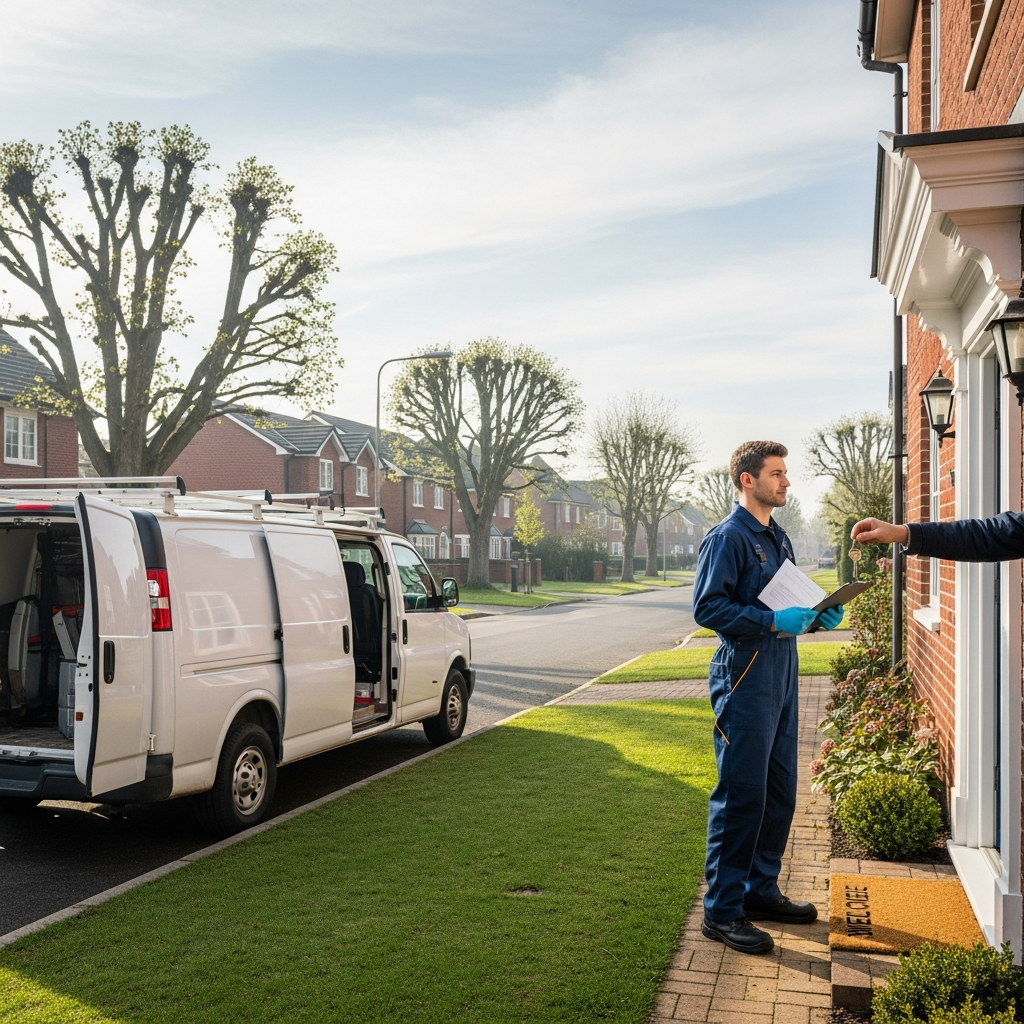
Q: How do I prepare for the crew’s arrival? A: Clear access to the work area, protect valuables, and discuss parking or elevator needs in advance to keep the schedule efficient.
Ready for Reliable Help in Bloomfield?
When you want a smooth experience and lasting results, partner with a local team that prioritizes safety, communication, and prevention. Connect with experienced mold removal professionals who can assess your space, coordinate logistics, and restore healthy indoor conditions with care.