When mold appears in a Bloomfield, New Jersey property, a methodical plan keeps stress low and results reliable. From the first sight of discoloration or a musty odor to the final verification that your indoor environment is clean and dry, a clear sequence of actions ensures you do the right task at the right time. This guide walks through a practical, step-by-step approach for testing, containment, removal, drying, and prevention—tailored to Bloomfield’s seasonal humidity and older building features. If you would rather rely on trained specialists to perform these steps, local professionals offering mold removal can streamline the process and help you avoid common pitfalls.
Before you begin, remember that testing is not a replacement for finding and fixing moisture problems. Mold grows where water or humidity lingers; without moisture control, cleaning efforts rarely hold. The steps below are designed to help you identify causes, protect occupants, and complete thorough remediation in a way that prevents cross-contamination and future regrowth.
Step 1: Safety and Initial Assessment
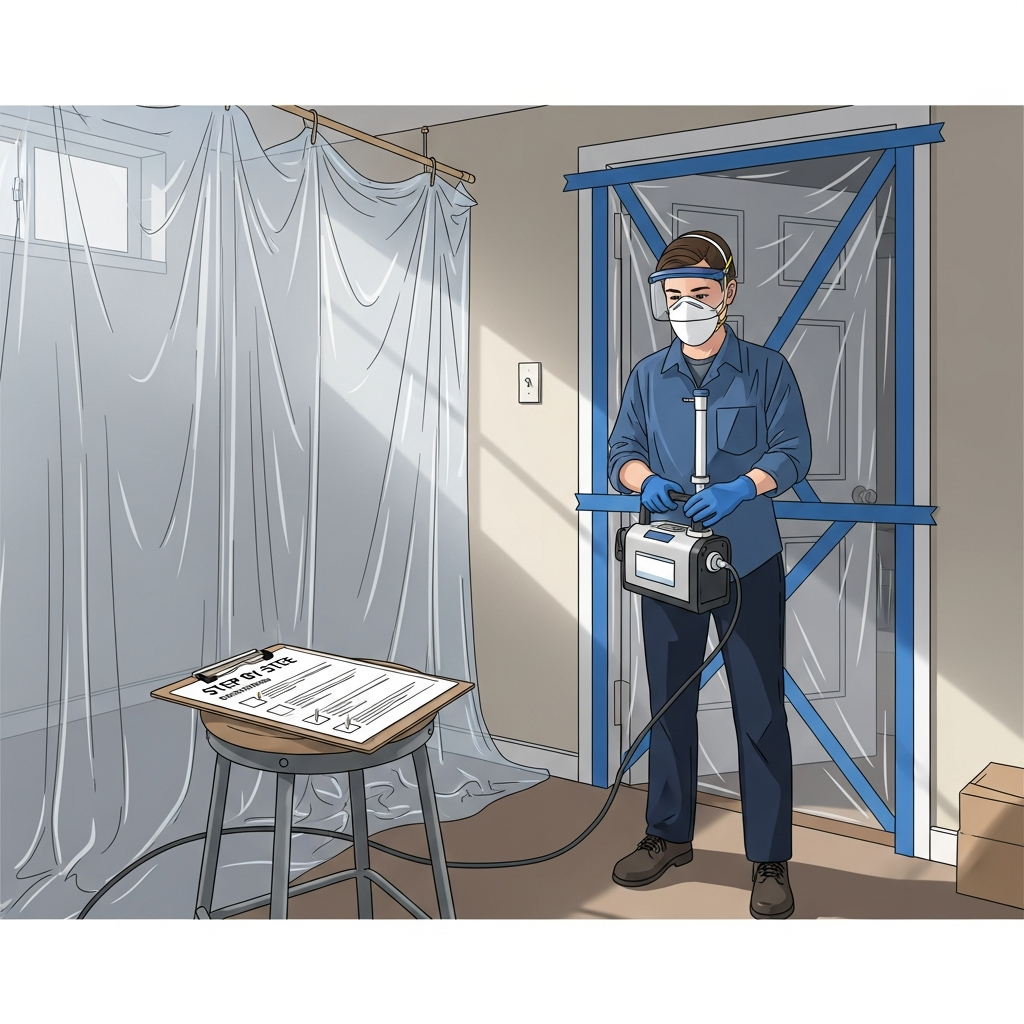
Prioritize safety. Limit access to the affected area, keep pets and non-participants out, and put on basic PPE: a respirator (N95 or better), goggles, gloves, and disposable coveralls if available. Document visible staining with photos and note any persistent odors. Identify recent leaks, roof or plumbing work, or events like a basement seepage after a storm. In Bloomfield’s climate, basements and attics are frequent hotspots, so include them in your check.
Use a moisture meter to compare suspect surfaces with known dry areas. Map the readings on a simple floor plan or notepad. Soft drywall, bubbled paint, or rusty fasteners typically indicate chronic moisture. If the area is large or you suspect hidden growth, consider calling a professional to help define scope before you open walls or remove finishes.
Step 2: Decide Whether Testing Is Appropriate
Testing methods vary, and the decision to test depends on your goals. For many homeowners, visible growth plus confirmed moisture is sufficient evidence to proceed with remediation. However, testing may be considered to document conditions before and after work, to investigate unexplained odors, or to guide decisions in complex buildings.
- Surface Sampling: Useful when you want to confirm what is growing on a specific material. It supports targeted cleaning plans but is only one piece of the puzzle.
- Air Sampling: Can be used to compare indoor and outdoor spore levels or to evaluate whether spores are moving beyond a known work zone.
- Moisture and Humidity Monitoring: While not “mold testing” per se, tracking moisture is essential and often more actionable than spore counts for remediation planning.
If you conduct testing, coordinate timing carefully. Sampling during active demolition can skew results. For many projects, baseline assessments followed by post-remediation verification offer clarity without distraction from the core tasks of containment and drying.
Step 3: Plan Containment and HVAC Strategy
Containment prevents spores and fragments from leaving the work area. Seal doorways and vents with poly sheeting and tape, install zipper doors for access, and place sticky mats at entries. Turn off or isolate HVAC in the affected zone and seal supply and return registers. In larger projects, negative air machines with HEPA filtration help maintain pressure differentials so air flows into, not out of, the containment.
Plan where debris bags will exit and how floors will be protected in hallways. In multifamily buildings, communicate with neighbors or building management about elevator pads, noise windows, and temporary closures to ensure smooth logistics.
Step 4: Remove Porous Materials as Needed
Porous materials that are wet or visibly contaminated—drywall, carpet, ceiling tiles, and insulation—are typically removed. Score drywall along studs to reduce dust, cut manageable sections, and place them directly into heavy-duty bags. Carpets should be cut into small pieces, rolled, bagged, and carefully carried out of containment. Keep the area tidy and avoid dragging debris, which can release more particles.
Label and bag waste inside containment and wipe down bags before moving them out. If you discover greater contamination than expected, pause and reassess the plan before continuing.
Step 5: Clean Semi-Porous and Non-Porous Surfaces
With porous materials removed, focus on the structural elements that remain. Use HEPA vacuums to capture settled dust on studs, subfloors, and sheathing. Scrub semi-porous wood framing with appropriate cleaners and damp microfiber cloths, changing cloths frequently. Avoid over-wetting surfaces. Non-porous materials like metal framing, concrete, and tile are cleaned and wiped thoroughly. After drying, a second HEPA vacuum pass helps ensure fine particles are captured.
- HEPA vacuum from top to bottom, including overhead joists.
- Damp-wipe and scrub surfaces methodically, replacing cloths often.
- Allow time for targeted drying; avoid sealing up before materials are dry.
- Repeat HEPA vacuuming and final wipe-down before verification.
Step 6: Drying and Dehumidification
Drying is the backbone of successful remediation. Use dehumidifiers and controlled airflow to remove residual moisture from materials and the air. Aim for steady progress rather than aggressive air movement that could push particles around. Monitor moisture readings daily and keep a log with dates and locations. In Bloomfield’s humid months, basements often need extended dehumidification even after visible water is gone.
Resist the urge to rebuild too quickly. Trapping moisture behind new drywall or flooring can lead to recurrence. Wait until readings are stable and odors are normal before transitioning to the next step.
Step 7: Address the Root Moisture Source
Identify and correct the cause so the problem does not return. Common sources include roof leaks, clogged gutters, poor grading that directs water toward the foundation, plumbing drips, and indoor humidity from showers or unvented appliances. In attics, balance insulation and ventilation to avoid condensation on cold sheathing. In basements, extend downspouts away from the foundation and consider perimeter drainage if seepage is routine. Without fixing the cause, even the best cleaning will not hold.
Step 8: Post-Remediation Verification
Verification combines visual inspection, normal odors, and acceptable moisture readings. Many homeowners also choose to document results with photos and, when appropriate, third-party assessments. Keep records of the initial conditions, the steps you took, and the final confirmation. This documentation provides peace of mind for future occupants or during real estate transactions.
Step 9: Rebuild Thoughtfully
When it is time to rebuild, choose materials and details that resist moisture. Consider mold-resistant drywall in bathrooms, proper backer board for tile, and durable floor finishes in basements. Seal penetrations around plumbing and wiring, and recheck that exhaust fans are properly ducted outdoors. Rebuilding is the moment to lock in long-term prevention.
Ongoing Prevention in Bloomfield Homes and Buildings
- Maintain gutters and downspouts; keep them clear and discharge water away from the foundation.
- Run bathroom and kitchen exhaust fans long enough to clear moisture; confirm they vent outdoors.
- Use dehumidifiers during humid months, especially in basements and closed-off rooms.
- Insulate cold water pipes and address drafts to reduce condensation.
- Keep storage off basement floors and away from exterior walls.
When to Call Professionals
Moderate to large projects, hidden growth inside wall cavities, or sensitive environments like medical offices merit professional oversight. Specialists bring containment systems, negative air machines, HEPA filtration, and trained crews who can work efficiently without spreading contamination. For families juggling school and work schedules, professional teams help ensure continuity and fast turnaround without sacrificing quality. If you want added assurance midway through or at the end, a knowledgeable provider in mold removal can coordinate verification and documentation.
Frequently Asked Questions
Q: Do I always need testing? A: Not always. If growth is visible and moisture is confirmed, remediation can proceed. Testing may add value for documentation or complex scenarios.
Q: What PPE should I use? A: At minimum, use a respirator (N95 or better), goggles, gloves, and protective clothing. Increase protections with larger or dustier projects.
Q: How do I prevent spreading mold to other rooms? A: Use containment, limit foot traffic, seal vents, and employ negative air machines when possible.
Q: Can I paint after cleaning? A: Only after surfaces are clean, dry, and moisture sources resolved. Primer and paint alone do not solve underlying issues.
Q: What about my HVAC system? A: Turn off or isolate the system serving the work zone, seal registers, and replace filters after the project. Consider duct inspection if contamination was widespread.
Q: How long should drying take? A: It depends on materials and conditions. Track moisture daily and wait for stable readings before rebuilding.
Q: Will mold return? A: Not if moisture is well controlled. Focus on roof, plumbing, drainage, and humidity management.
Ready to Get Your Space Back?
When you follow a clear, step-by-step plan, mold remediation becomes manageable and predictable. For expert guidance and efficient containment, partner with trusted mold removal specialists who can help you complete each step with confidence.