Mold problems in a Bloomfield, New Jersey home can show up quietly—behind baseboards after a humid summer, beneath a kitchen sink with a slow drip, or in a basement that took on moisture during a heavy storm. When you discover the musty odor or see discoloration on drywall, your immediate questions often include how to approach remediation, how long it might take, and what factors influence the overall effort required. While every situation is unique, this guide explains the major drivers that impact home mold remediation planning and scope in Bloomfield’s climate and housing stock—without referencing specific numbers—so you can make confident, informed decisions. If you prefer to start with professional insight, local teams offering expert mold removal can assess conditions and outline an appropriate path forward.
It helps to think about mold cleanup as both a building and health protection project. Effective remediation isn’t just about cleaning visible spots; it’s about eliminating moisture sources, handling building materials safely, and restoring normal indoor conditions. The “cost” of the project in time, complexity, and resources is shaped by scope, accessibility, materials, and the specific conditions of your home.
Primary Factors That Influence Scope and Complexity
Several core factors shape the plan for addressing mold in your Bloomfield home. Understanding these will help you anticipate the level of effort and the kinds of decisions you may face as you coordinate work with family members, neighbors in multifamily buildings, or professionals.
- Extent of Growth: Small, isolated patches require fewer steps than widespread contamination, especially when found in multiple rooms or inside wall cavities.
- Moisture Source: Active leaks, condensation from temperature imbalances, or chronic humidity require targeted fixes. The more complex the cause, the more extensive the moisture-control measures.
- Material Type: Non-porous surfaces are often cleaned and dried; porous items like drywall, carpet, and insulation may need removal and replacement when contaminated.
- Access and Layout: Tight crawlspaces, finished basements with built-ins, or complex HVAC configurations can increase planning needs and time.
- Containment Requirements: Proper containment, negative air machines, and HEPA filtration add steps but protect the rest of the home from cross-contamination.
- Verification and Documentation: Post-remediation cleaning, moisture confirmation, and record-keeping add to the completeness of the project.
Bloomfield Climate and Housing Considerations
Bloomfield’s seasonal humidity, spring rains, and occasional winter ice dams make moisture control a persistent concern. Older homes may have mixed materials—plaster, drywall, and paneling—layered over time. Basements that are partially below grade can invite seepage or condensation. Bathrooms without properly ducted exhaust fans can elevate indoor humidity. Each of these elements influences the likelihood of mold and the intensity of the steps necessary to restore a healthy interior environment.
Homes with finished basements often require a careful approach to protect flooring, built-in shelving, and electronics. Similarly, attic mold tied to ventilation imbalances may require improvements to insulation and air sealing to stop condensation. In multifamily buildings, neighbor coordination and building management policies can shape scheduling and logistics.
Project Phases That Shape Effort and Timeline
Remediation typically moves through predictable phases. Each adds important protections and influences the overall time and scope. While not a substitute for a professional plan, the outline below helps you anticipate what’s involved.
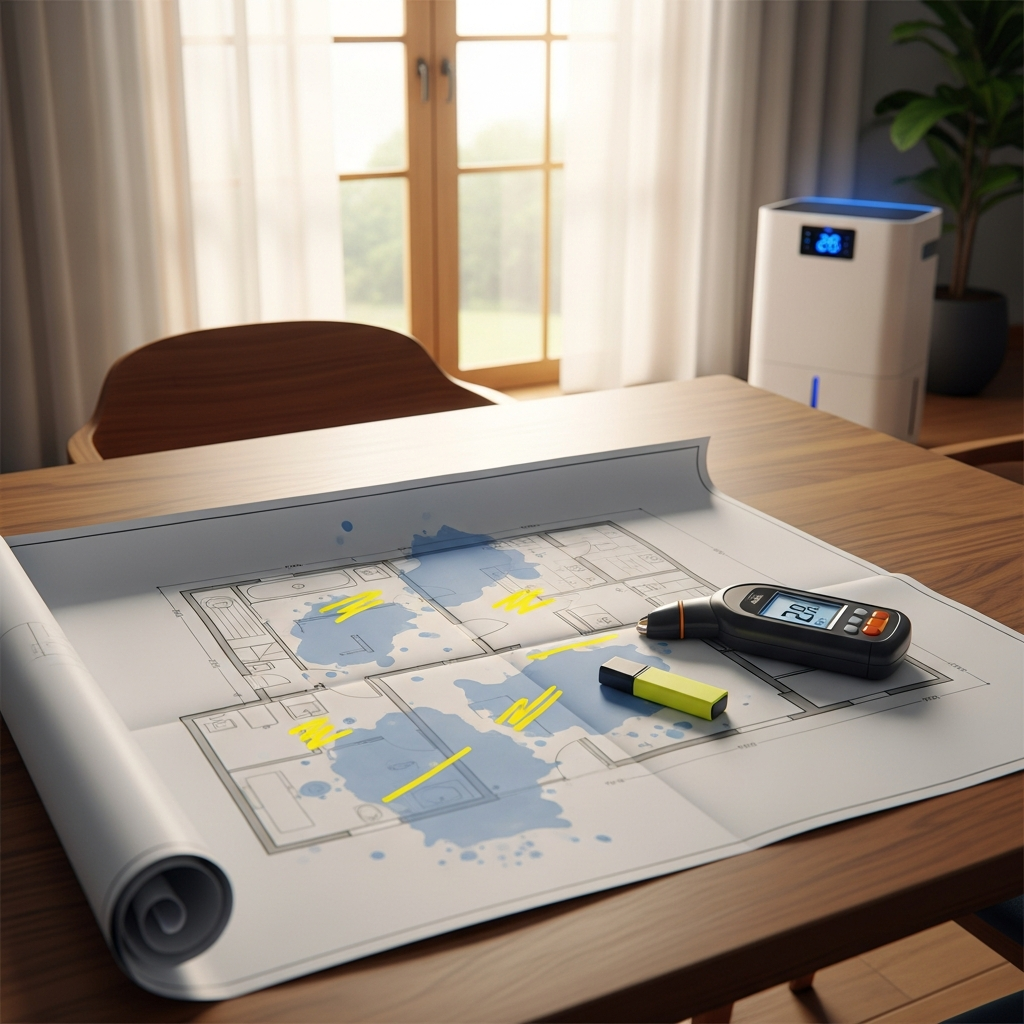
- Assessment and Mapping: Identify visible growth, test for moisture, and trace likely sources to plan containment and work sequence.
- Containment Setup: Seal off the work zone, protect adjacent rooms, and plan airflow and pressure to prevent spread.
- PPE and Safety: Equip participants with respirators, gloves, goggles, and coveralls. Establish entry/exit procedures for the work zone.
- Selective Removal: Take out contaminated porous materials; carefully cut drywall, bag debris, and protect pathways out of the home.
- Surface Cleaning: HEPA vacuum, damp-wipe with suitable cleaners, and allow surfaces to dry completely.
- Drying and Dehumidification: Run dehumidifiers and targeted airflow, verifying moisture levels until materials normalize.
- Root Cause Mitigation: Repair leaks, adjust grading and gutters, insulate cold water lines, and balance attic ventilation as needed.
- Post-Remediation Cleaning and Verification: HEPA vacuum again, wipe-down from top to bottom, confirm normal moisture readings and odors, and document the process.
Hidden Variables That Affect the Plan
Even with a well-defined work plan, hidden issues uncovered during demolition can change the scope. For example, removing baseboards might reveal damp drywall or deteriorated insulation. Pulling up carpet can expose tack strips with visible growth or damp subflooring. Each discovery adds necessary steps to restore a clean, dry interior.
Another variable is occupant sensitivity. If someone in the home is particularly reactive to mold or dust, containment and filtration strategies may be expanded, and scheduling might allow for periods when sensitive occupants are away from the work zone. While these considerations add complexity, they also protect health and comfort during the project.
When DIY Makes Sense—and When It Doesn’t
Small, isolated spots on non-porous surfaces—like a bit of mildew on a bathroom tile grout line—may be manageable with careful cleaning and targeted humidity control. However, once growth extends into porous building materials, or if it appears in multiple rooms, professional remediation becomes the safer, more reliable path. Specialists know how to establish negative air, manage selective demolition, and protect HVAC systems, which can prevent cross-contamination throughout your home.
Homeowners sometimes underestimate the effort involved in thorough containment and drying. The time invested in setting up barriers, sealing vents, and maintaining an organized decontamination area pays dividends by preventing problems from spreading.
Moisture Control: The Deciding Factor in Success
No remediation plan will hold if moisture remains. In Bloomfield, make a habit of checking gutters and downspouts for clogs, ensuring water is discharged well away from foundation walls. Regrading a yard that slopes toward the house, sealing penetrations around utility lines, and maintaining weather stripping and window caulking all play central roles in keeping moisture at bay. In basements, consider dehumidification during humid months to maintain indoor conditions that do not favor mold growth.
Bathrooms and kitchens deserve special attention. Ensure exhaust fans are ducted outdoors and run long enough to remove lingering steam or cooking moisture. Insulate cold water pipes to prevent condensation drips over time. The more consistently you manage indoor humidity and rapid drying after spills, the less likely you will confront recurring problems.
Material Decisions That Influence the Work
Porous materials like insulation, carpet, and ceiling tiles are often replaced when contaminated. Semi-porous wood framing can typically be cleaned, scrubbed, and HEPA vacuumed; severe staining may call for controlled sanding with proper containment. Non-porous materials such as metal, tile, and sealed countertops are usually cleaned and dried without removal. Each material type requires different steps, which shape the timeline and coordination needed with other trades like drywall installers or flooring professionals.
Documentation and Peace of Mind
Keep a running record of your remediation plan and progress: photos before, during, and after, moisture readings, and notes about repaired leaks and ventilation upgrades. Documentation helps when selling a home or resolving questions with future occupants or property managers. Many homeowners choose third-party verification to confirm that the work restored normal moisture and visual conditions, adding an extra layer of confidence.
Bloomfield-Specific Tips
- Check for ice dam risk at roof edges; improve insulation and ventilation to prevent attic condensation.
- Inspect basements each season for seepage lines, efflorescence, and humid corners—set dehumidifiers proactively.
- Ensure bathroom and kitchen exhaust fans vent outdoors, not into attics or joist bays.
- Keep storage off basement floors and away from foundation walls to reduce mildew risk on boxes and fabrics.
- Seal gaps around older window frames to limit humid summer air infiltration.
Working With Professionals
Remediation teams bring structured workflow, PPE, negative air systems, and HEPA filtration to protect the rest of your home during the process. They can also coordinate selective demolition, debris removal, and post-remediation cleaning without disrupting family routines. If you are unsure about the extent of growth or suspect hidden contamination, collaborating with specialists in mold removal can streamline planning and help you avoid common pitfalls like premature painting or incomplete drying.
Frequently Asked Questions
Q: What signs suggest I have more than a small surface issue? A: Persistent musty odors, soft or bubbled drywall, recurring spots after cleaning, or condensation on interior surfaces hint at underlying moisture and potential hidden growth.
Q: Do I need testing before remediation? A: Visual inspection and moisture mapping are the foundation for planning. Testing may be helpful in certain situations, but eliminating moisture and addressing visible contamination are primary.
Q: Should I turn off my HVAC during work? A: In the affected zone, yes—sealing vents and turning off airflow helps prevent spores from traveling through ducts. Replace filters after cleanup.
Q: Can I just paint over the stains? A: Painting over mold without removal and moisture correction is rarely effective. Stains can return and underlying growth persists.
Q: How long does home remediation usually take? A: Timelines vary with size, materials, and drying needs. Focus on a safe, thorough process rather than speed alone.
Q: Will dehumidifiers alone solve the issue? A: Dehumidifiers help, but they must be paired with leak repairs, air sealing, and proper ventilation for long-term success.
Q: What should I keep for my records? A: Photos, moisture readings, scope of work, and confirmation of completed repairs and cleaning steps.
Take the Next Step With Confidence
If you are weighing options and want a clear plan tailored to your Bloomfield home, reach out for trusted mold removal guidance that prioritizes safety, thoroughness, and long-term moisture control.