
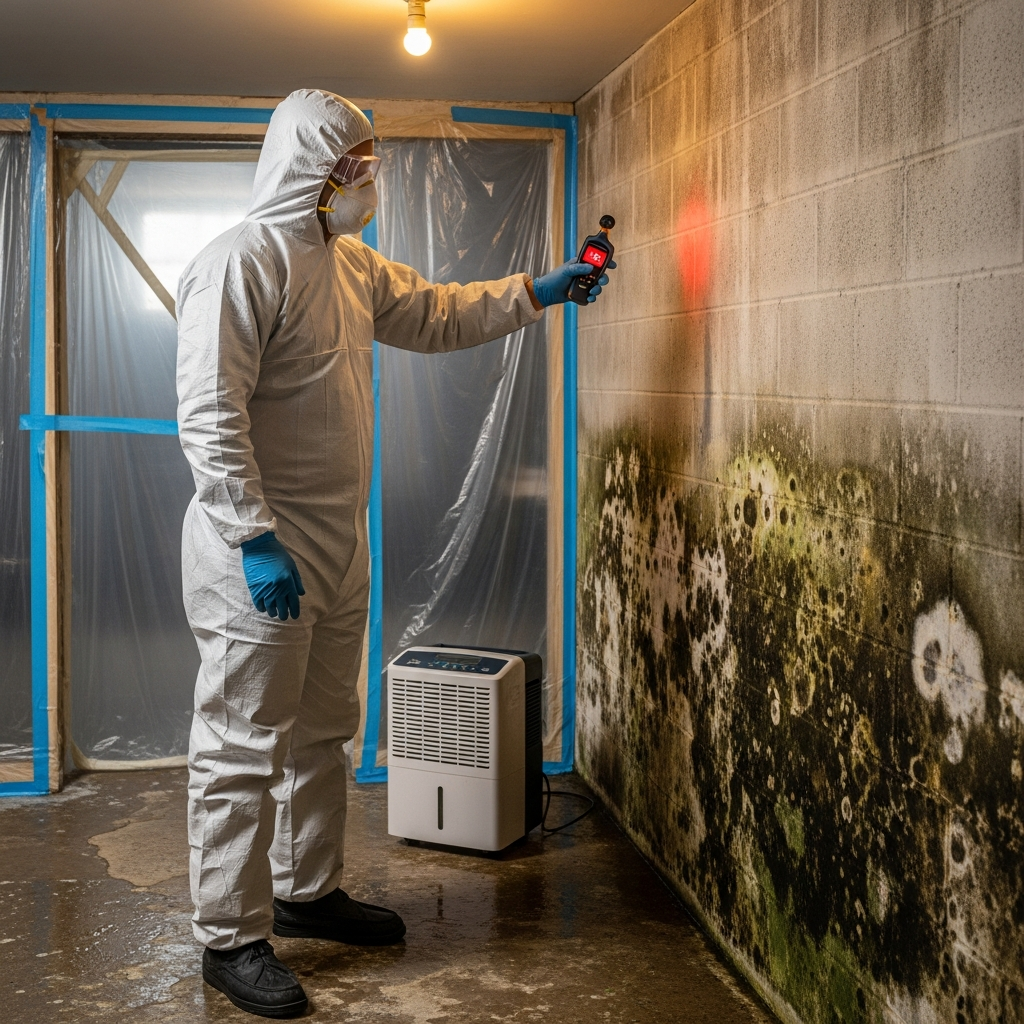
Black mold can hide behind walls, linger under flooring, and thrive in damp corners of basements and bathrooms—especially in older homes and buildings commonly found throughout Bloomfield, New Jersey. Whether you have spotted dark discoloration on drywall or noticed a persistent musty odor after a rainy week, acting quickly and methodically is essential. This comprehensive guide explains how black mold forms, how to assess risk, and the safest ways to plan remediation for Bloomfield’s climate and construction styles. If you prefer help from seasoned professionals who follow strict safety protocols, consider consulting local experts in mold removal at the outset for a faster, more reliable outcome.
Before you begin, remember that mold issues are both a building science challenge and a health consideration. Approaching cleanup with care, the right protective equipment, and a clear sequence of steps is vital to prevent cross-contamination and future regrowth. While many homeowners are understandably eager to clean visible spots, mold remediation is less about wiping away discoloration and more about eliminating moisture sources and correctly handling contaminated materials.
Understanding Black Mold in Bloomfield’s Climate
“Black mold” is a common term used for darkly pigmented molds, including certain strains that can release allergens and irritants. In Bloomfield, the freeze-thaw cycle, humid summers, and occasional heavy rains make indoor moisture management a year-round task. Basements—often partially below grade—tend to be the first area where condensation, seepage, or minor plumbing leaks create the conditions mold needs to grow. Attics can also be vulnerable when bathroom fans are not vented outdoors or when insulation and ventilation are out of balance, allowing warm moist air to condense on cooler surfaces.
Mold growth requires moisture, organic materials (like paper-faced drywall or wood), and time. If a water event occurs—such as a washing machine overflow or a roof leak—visible mold can form in as little as 24 to 48 hours. That speed is why prompt drying and dehumidification are as important as the cleaning itself. In Bloomfield’s older housing stock, layers of paint or paneling can hide historical moisture problems, making a thorough inspection critical.
Health and Safety Considerations
While individual sensitivities vary, exposure to mold fragments and spores may aggravate allergies, asthma, or respiratory irritation. Anyone experiencing symptoms should limit exposure and consult a qualified healthcare provider. During remediation, personal protective equipment (PPE) like N95 or better respirators, goggles, nitrile gloves, and disposable coveralls help reduce risk. Keep pets and non-participants out of work areas. For larger or complex jobs, consider hiring a licensed mold professional who follows containment, negative air, and industry-standard cleaning protocols specific to building materials common in New Jersey.
Initial Inspection and Moisture Mapping
Start with a methodical visual inspection. Note any staining, swelling, peeling paint, or soft drywall. Use a moisture meter to compare suspect surfaces with known dry materials. Pay special attention to foundation walls, the base of exterior walls, bathroom ceilings, areas around plumbing penetrations, and beneath any window sills. Musty odors, even without visible staining, warrant deeper investigation behind baseboards or under carpeting.
Create a simple map of your home to log moisture readings and suspect locations. This helps you plan containment and sequence your work. In Bloomfield, older masonry foundations sometimes show efflorescence (white mineral deposits) from moisture movement—this is a clue that humidity control and drainage upgrades may be needed in addition to surface cleaning.
Determine Scope and When to Bring in Professionals
Small, isolated patches on non-porous surfaces may be manageable for experienced homeowners following safe practices. If mold is widespread, if you find growth inside wall cavities, if porous materials like drywall are extensively affected, or if anyone in the home has elevated health sensitivities, it is prudent to engage a remediation team. Professional crews are trained in setting up negative air containment, careful demolition, and HEPA-filtered cleaning—important in preventing unseen cross-contamination to other rooms.
Containment, Ventilation, and PPE
Before any cleaning or removal, isolate the work area. Use plastic sheeting to seal off doorways, vents, and other openings. Consider creating a decontamination zone at the entry to the work area with a tacky mat and space to remove disposable PPE. Turn off the HVAC system serving the space and seal the registers to prevent spores from traveling through ductwork. If using exhaust fans, make sure they vent outdoors and do not blow toward neighbors’ intakes or create negative pressure that draws in unconditioned, moist air from outside.
Wear PPE at all times in the contained area. Replace respirator filters per manufacturer guidelines and change gloves frequently. Bag waste and disposable gear before leaving the workspace. These steps are vital in multifamily buildings common in the region, where shared walls or common HVAC shafts can make cross-contamination more likely if precautions are lax.
Safe Removal vs. Surface Cleaning
Choosing between removal and surface cleaning depends on material type and the extent of growth. Non-porous surfaces like tile, metal, and sealed countertops can often be cleaned with a detergent solution and thoroughly dried. Semi-porous materials such as wood framing may be cleaned, scrubbed, and then treated with appropriate mold-cleaning solutions, followed by HEPA vacuuming. Porous materials like drywall, carpet, ceiling tiles, or insulation typically require removal and replacement if contaminated.
- Non-porous surfaces: Clean with a detergent solution, rinse as needed, and dry rapidly.
- Semi-porous wood framing: HEPA vacuum, scrub with an appropriate cleaner, and allow to dry. Consider a second HEPA vacuum after drying.
- Porous materials: Cut and remove affected sections, place in sealed bags, and dispose according to local regulations.
- Post-cleaning: Use HEPA filtration air scrubbers when possible and wipe all surfaces in the containment with damp microfiber cloths from top to bottom.
Always avoid dry dusting or aggressive demolition without containment; it can launch spores and fragments into air currents, making the problem worse.
Managing Moisture: The Heart of Long-Term Success
Even the most careful cleaning will fail if moisture persists. Identify the source: roof leaks, failed caulking, leaky pipes, negative grading that sends stormwater toward the foundation, or high indoor humidity from showers and cooking. In Bloomfield’s climate, dehumidification is often necessary for basements during warm months. Aim to keep indoor relative humidity under levels that favor mold growth, and use bathroom and kitchen exhaust vents that terminate outdoors. Insulate cold water pipes to reduce condensation and seal gaps around window frames to stop moist air from infiltrating in summer.
Consider a holistic plan: redirect downspouts away from the foundation, add or repair sump pumps where appropriate, regrade soil to slope away from the structure, and maintain gutters. Combine that with proper ventilation and insulation in attics and walls to prevent condensation. When moisture management is correct, the likelihood of recurrent mold drops significantly.
Cleaning Protocols and Tools
Use HEPA-filtered vacuums to capture fine particles before and after cleaning. Microfiber cloths dampened with a light detergent solution are excellent for wiping surfaces in containment. Avoid saturating materials and always dry promptly. For wood framing, a careful scrub followed by targeted drying works well. If stains remain after wood is clean and dry, sanding may be appropriate in a controlled environment with localized containment and vacuum attachment tools.
In the middle of longer projects, it can be helpful to pause for a quick reassessment. If new areas show discoloration or moisture readings rise again, revisit the moisture source plan before continuing. For added confidence—especially in busy households or commercial settings—consider coordinating with a professional team experienced in mold removal who can perform air filtration, detailed cleaning, and targeted demolition without disrupting daily routines.
Verification and Post-Remediation Cleaning
When removal and cleaning are complete, vacuum all horizontal surfaces with a HEPA unit, followed by damp wiping from the highest shelves down to the baseboards. Replace HVAC filters with high-quality options suitable for your system, and consider running the fan to capture any remaining particles that may settle into returns. If you used containment, keep barriers up until cleaning and drying goals are met. Visual confirmation, normal odors, and acceptable moisture readings are essential indicators of success.
Some homeowners also choose third-party verification for peace of mind. Independent inspectors can perform moisture checks and visual assessments to confirm remediation goals have been met. Documentation is particularly valuable for property transactions or rental properties where a record of proper remediation and moisture control can reassure future occupants.
Prevention Strategies for Bloomfield Homes and Buildings
- Control humidity with dehumidifiers in basements during humid months.
- Use bathroom and kitchen exhaust fans vented outdoors; run them long enough to remove steam and cooking moisture.
- Fix leaks quickly—small drips under sinks or behind fridges can lead to hidden growth.
- Maintain roofs, flashing, gutters, and downspouts; keep them clear of leaves and ice dams.
- Seal gaps around windows, doors, and utility penetrations to prevent warm, moist air infiltration.
- Monitor insulation and ventilation in attics to avoid condensation on rafters and sheathing.
- Store paper goods and textiles in sealed containers off basement floors.
Common Mistakes to Avoid
- Painting over mold without removal or addressing moisture—stains often bleed through and growth continues underneath.
- Using household fans inside an uncontained work area, which can spread contamination.
- Skipping PPE or containment, increasing exposure risks and cross-contamination.
- Relying on air fresheners to mask musty odors rather than finding and fixing moisture sources.
- Stopping drying and dehumidification too soon; materials can feel dry on the surface while retaining hidden moisture.
Special Considerations for Older Bloomfield Properties
Many Bloomfield homes feature plaster walls, brick foundations, and retrofitted insulation. Plaster can sometimes be cleaned if mold is only on the paint film, but if the underlying lath is compromised by moisture, strategic removal may be necessary. Brick and stone foundations can transmit moisture through capillary action; interior sealants may help but should be paired with drainage and exterior grading improvements. If your property has historical features, consult professionals who can balance restoration goals with effective moisture management.
Working With Tenants, Neighbors, and Building Managers
For multifamily residences and mixed-use buildings, clear communication minimizes disruption. Notify neighbors when containment or exhaust fans will be in use, schedule loud work during reasonable hours, and coordinate with building management about elevator pads or hallway protection for debris removal. Keeping a tidy, well-labeled work zone promotes safety and confidence in the remediation effort.
Frequently Asked Questions
Q: How do I know if discoloration is mold or just staining? A: Mold often appears with a musty odor and can smear when wiped with a damp cloth. Staining without odor may be due to watermarks or minerals. If unsure, focus on moisture control and consider an inspection.
Q: Can I do black mold removal myself? A: Small, contained areas on non-porous surfaces may be manageable with PPE and containment. Larger or hidden contamination is best handled by trained professionals to prevent spread and ensure thorough cleanup.
Q: Is bleach recommended? A: On porous materials, bleach does not reliably address growth below the surface and can add moisture. Detergent-based cleaning, HEPA vacuuming, removal of unsalvageable materials, and thorough drying are typically more effective.
Q: How long does remediation take? A: Timelines vary with scope and drying needs. Focus first on stopping moisture, then safe removal and controlled drying. Verification comes last.
Q: Will mold return? A: If moisture is not controlled, regrowth is likely. Combine leak repairs, ventilation, dehumidification, and proper insulation to reduce the risk.
Q: What about my HVAC system? A: Seal registers in the work zone, replace filters after cleanup, and consider professional duct inspection if contamination was widespread.
Q: Do I need to move out? A: Many projects can proceed with residents on-site if containment is well managed and the affected area is isolated. Sensitive individuals may choose to avoid the area during work.
Q: What should I document? A: Take before-and-after photos, keep moisture readings, and record the steps you took. If you hire help, request a detailed scope of work and completion summary.
Ready to Restore Your Bloomfield Space?
Whether you are tackling a small bathroom issue or coordinating a whole-basement remediation after a wet spring, prioritizing safety, containment, and moisture control will set you up for success. If you want a streamlined plan backed by specialized tools, schedule trusted mold removal support to protect your home, your health, and your time.