
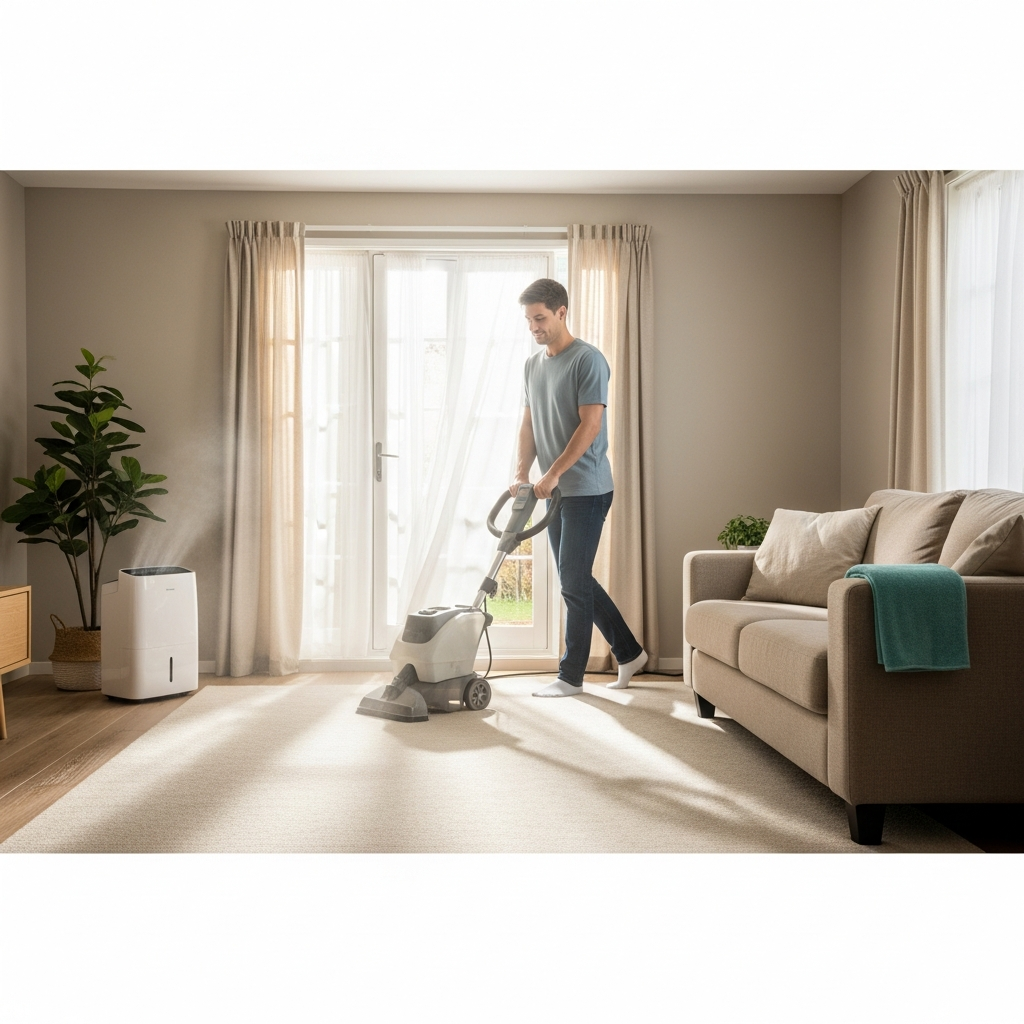
Eliminating mold odor in a Bloomfield, New Jersey home is a sequence, not a single task. Each action prepares the next, converting damp, musty rooms into clean, neutral spaces that stay fresh. This guide delivers a start-to-finish framework you can follow over a weekend and refine across the next week. In the introduction, you will find a quick link to a resource about mold odor that aligns with the method below and helps you stay on track.
Principles Before Procedures
Every successful odor elimination plan rests on three pillars: moisture reduction, source removal, and air exchange. If any pillar is weak, the smell will return. Bloomfield’s climate—with humid summers and storm-driven rains—means moisture control often makes the largest early difference, while source removal locks in the gains.
Step-by-Step Elimination Plan
-
Stabilize humidity. Place a dehumidifier in the most humid space, typically the basement or a lower-level bathroom. Set it to 45% to 50% RH and run it continuously during humid weather. Empty the reservoir or route to a drain.
-
Increase air exchange. Open windows for cross-ventilation on mild days. Use exhaust fans in bathrooms and kitchens during and after moisture-generating activities. Install a timer to ensure fans run long enough.
-
Declutter odor sponges. Remove cardboard, stacks of paper, and unused textiles from floors and corners. These items trap and release musty compounds.
-
Deep-clean surfaces. Vacuum floors, baseboards, and vents with a HEPA unit. Wipe hard surfaces with a non-ammonia cleaner. Focus on grout lines, window sills, and trim where dust collects.
-
Textile reset. Launder curtains, shower liners, and throw blankets. If area rugs smell, have them cleaned and dried thoroughly or air them outdoors on a sunny, breezy day.
-
HVAC refresh. Replace the furnace filter, clean return and supply grilles, and verify the air conditioner condensate drains freely. A dirty system can recirculate odor.
-
Target moisture sources. Inspect under sinks, behind toilets, around water heaters, and near foundation walls. Fix leaks, re-caulk failed joints, and insulate cold pipes that sweat.
-
Localized odor removal. If a specific closet or room remains musty, empty it fully, clean all surfaces, and allow airflow with the door propped open. Consider a small fan to increase circulation during drying.
-
Odor neutralization. Use activated carbon or baking soda to absorb residual smells while drying progresses. Replace media as it becomes saturated.
-
Verification pass. After 48 to 72 hours of drying and cleaning, close windows, run the HVAC, and perform a smell check. Track where odor has improved and where it persists.
Adapting the Plan to Common Bloomfield Layouts
Older Bloomfield basements often have mixed finishes—painted masonry, paneling, and partial drywall. Treat each material appropriately. Painted masonry responds well to sustained dehumidification and cleaning; paneling may hide cavities that need inspection at seams; drywall that smells and tests damp may require selective removal.
Bathrooms with small fans benefit from upgrades. If a tissue does not cling to the fan grille, airflow is likely insufficient. Replace with a quieter, more powerful unit on a timer to maintain drier conditions and prevent odor rebound.
What If the Odor Persists?
Persistent odor often means a hidden reservoir: damp carpet padding, a wet drywall base behind trim, a stagnant duct liner, or a cold closet prone to condensation. Use a moisture meter to probe suspect areas and a flashlight to inspect behind baseboards where possible. If the HVAC seems involved—odor pulses when the blower starts—consider a duct inspection and coil cleaning.
Middle-Mile Reinforcements
At the midpoint, you should have a drier home with lighter mustiness. If one room or system keeps the odor alive, focus there and escalate selectively. You might deploy continuous dehumidification in a finished basement, re-caulk and reseal a shower, or schedule an HVAC service visit. For stubborn cases that need targeted tactics, consult a resource that specializes in persistent mold odor to ensure your next moves are efficient and effective.
Preventing the Comeback
- Maintain 40% to 50% indoor humidity; monitor with a hygrometer.
- Run bath and kitchen fans for 20 minutes after use.
- Keep storage off basement floors and away from foundation walls.
- Use washable rugs and rotate them for routine laundering.
- Replace HVAC filters on schedule and vacuum returns.
Special Considerations for Multi-Unit Buildings
In Bloomfield’s multifamily homes, odors can drift between units through hallways and shared mechanicals. Coordinate with neighbors or property managers to ensure shared exhaust systems work properly, stairwell doors close fully, and trash and laundry areas are cleaned regularly. Keep your door undercut sufficient for airflow, and use a door sweep to reduce hallway odor intrusion when appropriate.
Frequently Asked Questions
Q: How long does full odor elimination take? A: Many homes improve within several days of sustained drying and cleaning, with stubborn reservoirs handled over one to two weeks.
Q: Will painting over stained walls remove odor? A: Only after drying and cleaning. Stain-blocking primers help on cleaned, dry surfaces, but they will not suppress an active moisture source.
Q: Can an air purifier solve the issue? A: It helps reduce particulates and odor molecules, but it is supportive—not a substitute for moisture control and source removal.
Q: Is bleach necessary? A: Not typically. Choose cleaners that match surfaces and ventilate while you work. Prioritize drying and removal of porous odor reservoirs.
Q: Do I need to replace carpet? A: Only if the pad is damp or the odor persists after professional cleaning and thorough drying. Test by isolating the rug and checking odor over 24 to 48 hours.
Q: What indoor humidity is best? A: Aim for 40% to 50% year-round. Adjust slightly lower in cold snaps to prevent window condensation.
Finish Strong: Keep the Air Fresh
Odor-free living is an outcome of habits: run fans, manage humidity, and clean dust before it becomes a reservoir. Revisit the verification step weekly at first, then monthly, to ensure the smell stays away. If you prefer a hands-on playbook to reinforce this sequence and scale up when needed, consider proven mold odor solutions and enjoy a consistently fresh Bloomfield home.