
Understanding Black Mold Concerns in Bloomfield Homes
When homeowners in Bloomfield, New Jersey, suspect black mold, they often feel an urgent need for clarity and direction. Stachybotrys chartarum, commonly referred to as black mold, grows where persistent moisture softens and saturates cellulose-rich materials like drywall, fiberboard, and wood. The presence of any mold indoors is a sign that moisture control has been compromised, but black mold attracts special attention because of its reputation and the anxiety it can create for families. Beginning with professional mold inspection services allows you to separate fact from fear, confirm what is happening inside your home, and plan sensible next steps.
Black mold does not appear overnight; it typically indicates that moisture has been present for an extended period. That moisture may stem from a slow plumbing leak in a wall cavity, a roof penetration around a vent or skylight, or condensation due to poor ventilation in bathrooms or attics. Bloomfield’s seasonal humidity, heavy rains, and winter freeze-thaw cycles can exacerbate these vulnerabilities. A methodical inspection identifies the origin of moisture, the extent of material impact, and safe options for addressing both the growth and the underlying condition.
What Sets a Black Mold Inspection Apart
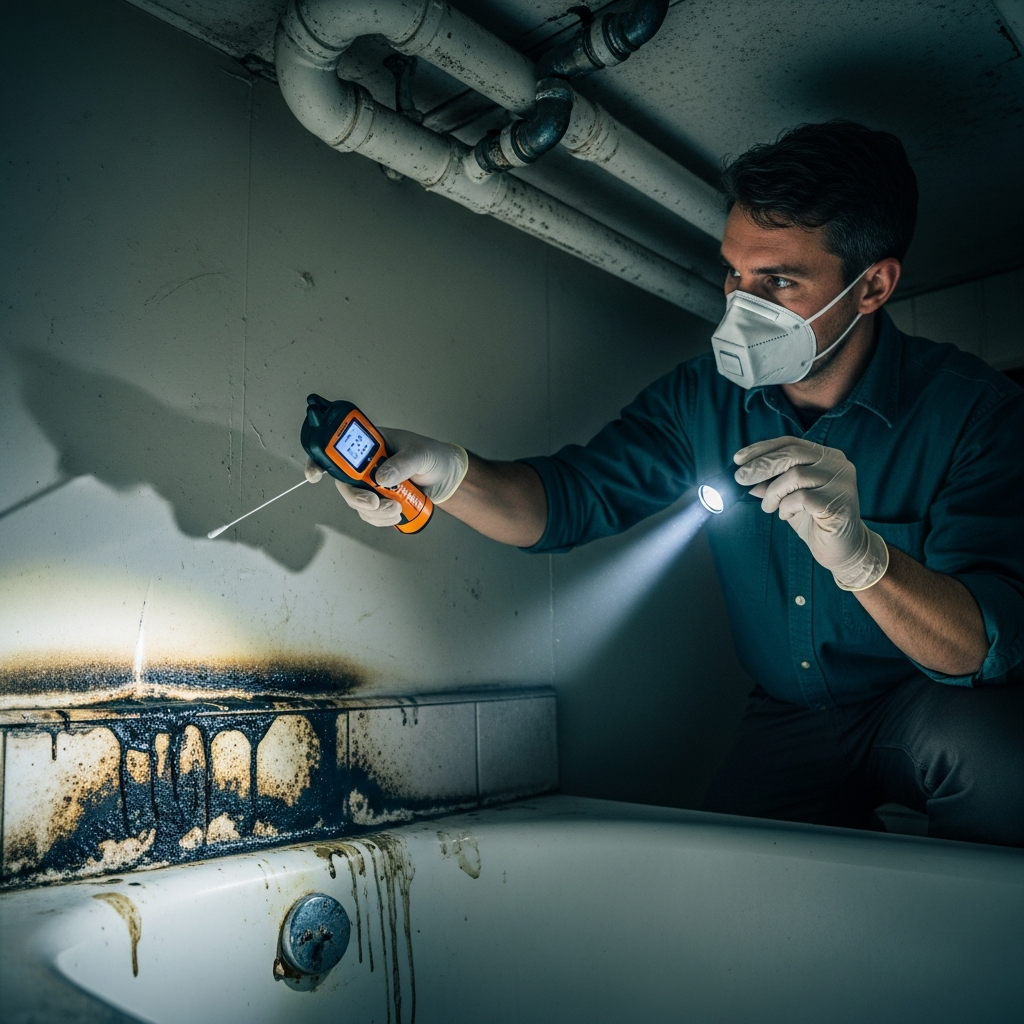
Although the process starts like any mold assessment—with a detailed discussion and visual walkthrough—black mold inspections place particular emphasis on moisture duration, material condition, and safe handling protocols. Inspectors look closely at areas with chronic dampness, such as baseboards behind bathroom fixtures, subfloors near tub surrounds, and bottom edges of drywall in basements. They may use moisture meters to gauge saturation levels and thermal imaging to find concealed damp spots that align with plumbing lines, roof valleys, or exterior walls that receive wind-driven rain.
When discoloration is visible, surface sampling can help differentiate mold from staining or other deposits. Air sampling may also be used when occupants report symptoms, when visible growth is extensive, or when documentation is needed for sensitive individuals in the home. A strong inspection report will provide context: what materials are affected, how long the issue seems to have been developing, and how ventilation, drainage, or building envelope gaps contributed to the situation.
Recognizing Common Bloomfield Risk Zones
Bloomfield’s homes range from pre-war structures to newer builds, and each category has typical moisture patterns. In older homes, plaster over lath may mask slow leaks for months before discoloration appears. Finished basements can trap humidity behind paneling and insulation, especially when vapor barriers are incomplete or when dehumidification is inconsistent. In newer homes, tight building envelopes without balanced ventilation can lead to elevated humidity, while complex rooflines increase the risk of flashing issues that let water in. Bathrooms with older ventilation fans or windows that remain closed in winter can also develop chronic dampness along corners and ceilings.
Clues that black mold could be developing include a deep musty odor, a slimy or wet feel on lower drywall, persistent dark staining in a consistent pattern on ceilings below bathroom plumbing, and warping or buckling of trim near exterior doors or windows. Even if staining does not confirm mold type, it calls for a professional to investigate cause and extent.
Health and Comfort Considerations
Concerns about black mold often arise because some residents may experience heightened sensitivity to mold exposure in general. While not everyone responds the same way, indoor environments with elevated mold levels can contribute to discomfort for sensitive individuals. The key is not to panic but to take a methodical, evidence-based approach. Inspections help you quantify conditions, distinguish between active growth and past stains, and decide whether additional sampling is useful. Most importantly, they clarify how to control moisture so that comfortable indoor conditions are restored and sustained.
Remember, visible black discoloration alone does not automatically confirm Stachybotrys species; other molds can appear dark, and some stains are not mold at all. That is why data-driven procedures—moisture mapping, air or surface sampling when indicated, and photographic documentation—are central to a high-quality inspection.
Inspection Workflow: From Discovery to Documentation
A thorough black mold inspection proceeds step by step. It begins with a conversation about your concerns, observations, and the home’s repair or renovation history. The inspector then examines exterior drainage and grading, verifies that gutters and downspouts direct water away from the structure, and looks for points where water can enter, such as compromised window flashing or roof penetrations. Inside, attention focuses on bathrooms, kitchens, basements, laundry rooms, and attics—spaces where moisture is produced or can accumulate.
Moisture readings and thermal images help quantify what the eye cannot see. When risk indicators are present, the inspector may recommend sampling to confirm whether mold spores are elevated or whether a particular stain reflects active growth. The final report should be well-organized, explaining findings in plain language and prioritizing corrective actions.
Safe Responses and Next Steps
Once an inspection determines what is occurring and where, the priority moves to safe correction. At a minimum, moisture sources must be addressed—repairing plumbing, improving ventilation, directing water away from the structure, and sealing building envelope gaps. Where mold is present, a controlled removal process protects clean areas, maintains negative pressure during work when appropriate, and ensures proper handling and disposal of affected materials. Post-correction verification can confirm that moisture readings have normalized and that the environment has returned to expected indoor conditions.
In many cases, homeowners also adopt preventive measures after remediation, such as upgrading exhaust fans, maintaining dehumidification during humid months, adding insulation where condensation forms, and scheduling seasonal roof and gutter checks. The goal is a durable fix that goes beyond surface cleaning to address cause and effect.
Why Work with Local Specialists
Local inspectors know Bloomfield’s common problem areas and how regional weather patterns interact with construction styles. They are also familiar with typical bathroom layouts, basement finishing methods, and common retrofit practices that can mask moisture behind attractive finishes. This familiarity shortens the path to accurate diagnosis and practical solutions tailored to your home. In the middle of your research, it can be useful to review trusted mold inspection services so you understand the scope of a full evaluation and the importance of thorough reporting.
Working with a nearby expert also improves follow-through. If questions arise after you review your report, the same professional can revisit, retest if needed, or coordinate with remediation teams to ensure that recommendations are clearly implemented.
Frequently Asked Questions
Q: How can I tell whether dark staining is truly black mold? A: Visual clues alone are not definitive. A professional inspection, and when appropriate, surface sampling, can distinguish mold types from other types of staining and confirm whether growth is currently active.
Q: Is it safe to stay in the house during an inspection? A: Yes. Inspections are noninvasive assessments. If remediation is needed later, containment protocols guide whether certain rooms or areas should be temporarily restricted during work.
Q: Do I always need air sampling? A: Not necessarily. Sampling is recommended based on conditions, symptoms, and the need for documentation. When growth is visible and the source is obvious, the priority is moisture control and corrective action.
Q: What if the mold is behind walls? A: Thermal imaging and moisture meters help locate hidden dampness. Inspectors may recommend targeted, minimally invasive checks if readings suggest concealed saturation.
Q: How long will the process take from inspection to correction? A: Timeframes vary with the size of the home and the scope of moisture issues. The key is a clear, prioritized plan that addresses sources first and verifies dryness after corrections.
Proactive Measures to Reduce Future Risk
Proactive steps bolster long-term outcomes. Maintain steady indoor humidity with dehumidifiers where needed. Use bathroom and kitchen exhausts consistently and verify they vent outside. Keep gutters clear and ensure downspouts carry water away from your foundation. Inspect caulking around tubs, showers, and window frames. Address condensation on windows or walls promptly by improving airflow, adjusting ventilation, or adding insulation where warranted. Together, these habits create conditions that are less favorable for mold of any kind, including black mold.
Regain Confidence in Your Living Space
Discovering dark staining or a strong musty smell can be unsettling, but a disciplined approach replaces uncertainty with knowledge. A professional evaluation reveals where moisture originates, how far issues have progressed, and how to move forward safely and effectively. With accurate information, you can make decisions that protect your family, preserve building materials, and restore comfort to your home.
Restore Healthy Conditions in Your Bloomfield Home
If you are ready to resolve concerns about black mold, seek a thorough assessment from a qualified local professional who can identify root causes and present a step-by-step plan. Ask questions, review the report carefully, and take action in the right order to prevent recurrence. For reliable guidance from start to finish, contact experienced mold inspection services and take the first confident step toward a cleaner, drier, and healthier home.