Choosing the best mold mitigation services contractors in Bloomfield, New Jersey requires more than a quick search and a phone call. It demands clarity on credentials, clear communication, proven processes, and genuine local expertise. Bloomfield’s combination of older housing stock, four-season humidity swings, and occasional storm events creates conditions where moisture can linger and mold can flourish behind walls, beneath flooring, and in attics and basements. If you are starting your search today, make sure your contractor can show you how they locate hidden moisture, contain spores, protect your belongings, and document results. For readers ready to explore trustworthy options right away, consider vetted mold mitigation services that focus on prompt response and clear, science-based methods.
What makes mold a persistent issue in Bloomfield?
Bloomfield homes and businesses often combine vintage charm with complex building envelopes: plaster walls, layered flooring, masonry foundations, and sometimes aging drain and ventilation systems. Those elements can conceal slow leaks, capillary moisture, and seasonal condensation. In spring and summer, high outdoor humidity can drive vapors into cooler indoor spaces, while winter temperature swings may push warm, moist air toward cold surfaces, where it condenses. Each of these patterns can feed mold if the moisture is not managed.
Geographically, North Jersey storms can push water intrusion through roofing, flashing, and window assemblies. Even small penetrations in siding or roof planes can permit repetitive wetting. In basements, hydrostatic pressure against foundation walls may allow seepage or wicking. Crawlspaces without adequate vapor barriers can amplify the effect. When moisture stays present for 24–48 hours on porous materials like drywall, wood framing, insulation, or paper-backed products, mold can activate and spread.
Another factor is ventilation. Inadequate bathroom and kitchen exhaust or blocked soffit vents can trap humid air. HVAC systems—especially when oversized, improperly balanced, or operating with dirty coils and high static pressure—can contribute to uneven humidity and stagnant zones. A seasoned Bloomfield contractor understands these building science nuances and will evaluate the entire moisture pathway, not just the visible staining or musty odor.
How to evaluate a mold mitigation contractor
Credentials set the baseline. Reputable contractors often hold certifications from recognized bodies focused on remediation and indoor environmental hygiene. Ask about hands-on training, continuing education, and adherence to industry standards for containment, engineering controls, and work practices. Beyond credentials, insist on a detailed written protocol that addresses source moisture, containment configurations, selective demolition, cleaning sequences, and post-mitigation verification.
Insurance and safety culture matter. Confirm that your contractor carries appropriate liability and worker protections. Ask how they protect occupants—including children, seniors, and sensitive individuals—during containment and negative air setup. Clarify whether technicians wear proper respiratory protection, how they manage decontamination, and how they dispose of debris to prevent cross-contamination through living spaces and common areas.
Transparent inspection and communication are vital. Before work begins, a thorough assessment should identify visible growth, suspected concealed areas, moisture readings, and humidity levels. A reliable contractor will explain the root cause, not just the symptoms. They should show you how their plan will isolate the area, maintain pressure differentials, and control dust and spores. Post-mitigation, expect photo documentation, moisture logs, and a written summary that demonstrates drying goals and cleanliness objectives were met.
The mold mitigation process, step by step
Every property is unique, but the best contractors follow a rigorous, repeatable process. First comes source control: find and correct what is feeding mold—leaky supply lines, failed drain traps, roof flashing defects, window weeping systems, deteriorated foundation coatings, or chronically high indoor humidity. Without source correction, even thorough cleaning can be temporary.
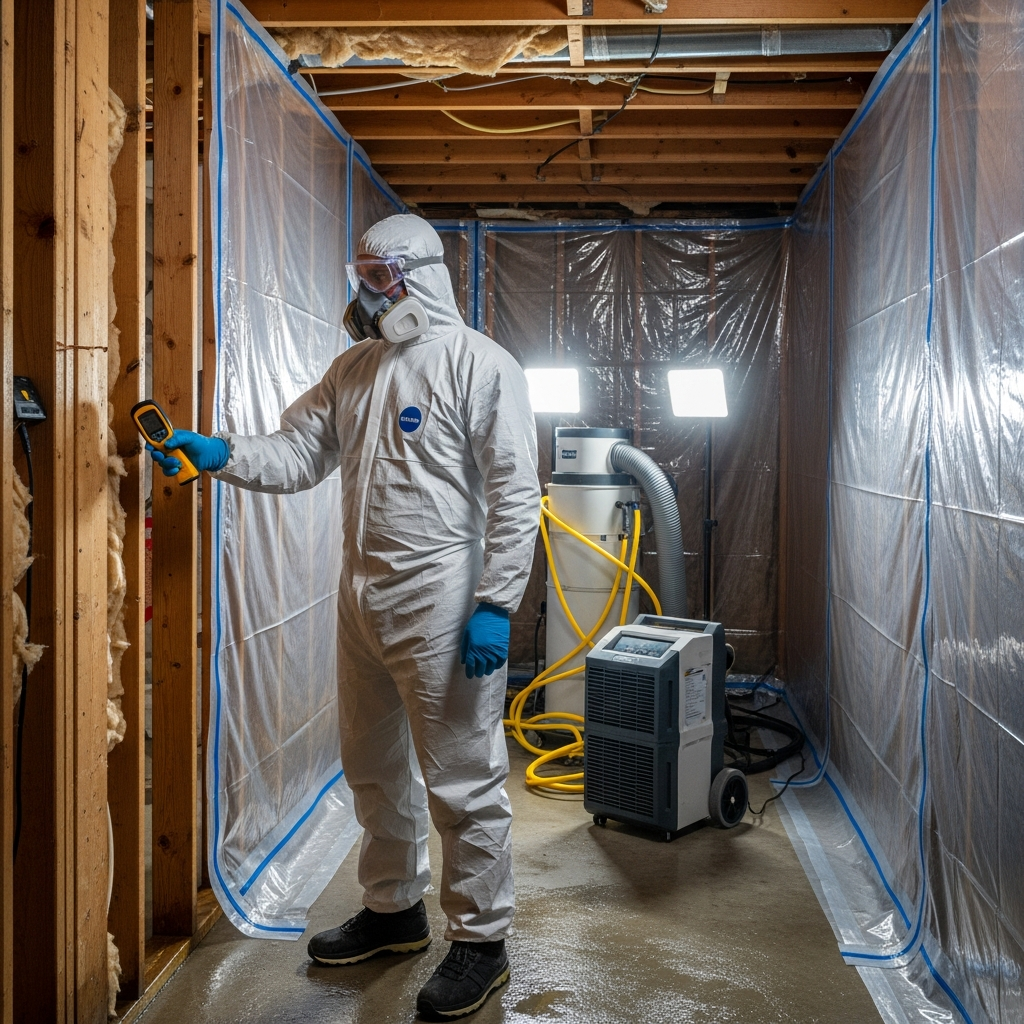
Next is containment. Professional teams install physical barriers with zipper access, seal off supply and return vents within the work zone, and establish negative air using HEPA-filtered air scrubbers. Properly executed, this setup captures airborne spores and prevents them from migrating to unaffected rooms. Technicians should stage clean and dirty pathways, bag debris at the point of removal, and maintain the negative pressure throughout demolition and cleaning.
Selective removal focuses on non-salvageable materials. Porous items like saturated drywall, insulation, and carpet padding are typically removed. Semi-porous and non-porous surfaces—such as framing lumber and certain subfloor materials—can be cleaned through mechanical agitation and HEPA vacuuming, followed by damp wiping with appropriate solutions. Drying then proceeds using dehumidification and controlled air movement, monitored with daily moisture readings to verify progress without spreading dust.
An experienced team understands that thoroughness is everything. They will detail-clean work zones and adjacent egress paths to avoid re-seeding surfaces. They will verify that the moisture source is addressed before demobilizing equipment. Thoughtful contractors also advise on ventilation balance and indoor humidity targets to stabilize conditions long term. In the middle of your research process, you may find it helpful to compare methods and case results from providers specializing in professional mold mitigation services to ensure the approach aligns with your property’s construction and usage.
Finally, post-mitigation verification confirms success. While some projects involve third-party assessments, even contractor-led verification should include photo evidence, dust removal checks, and dry-standard moisture levels in formerly wet materials. For sensitive environments or complex contamination histories, many owners choose independent clearance testing conducted by a qualified assessor to validate results objectively.
Signs you need help now
A musty odor that intensifies after the HVAC cycles, staining that blooms or darkens following rain, and persistent condensation on windows or cold surfaces are classic signals. Peeling paint on foundation walls, efflorescence, and cupping hardwood are other warning signs of moisture activity. In basements and crawlspaces, visible fungal growth on joists or subfloor panels should be addressed promptly to protect indoor air quality on the levels above.
Health complaints sometimes parallel building conditions. While contractors do not diagnose medical issues, they should respect occupant sensitivities by proposing strategies to limit aerosolization, maintain clean access routes, and coordinate temporary relocations if needed. The right contractor treats occupant well-being as central to project planning.
What to ask before you hire
Ask prospective contractors how they trace moisture from symptom to source. Request sample protocols and photos from similar Bloomfield projects—finished basements after storm events, attic sheathing with winter condensation patterns, or bathroom assemblies with chronic exhaust issues. Inquire about their plan to protect clean rooms, manage furniture and personal items, and communicate daily updates. Clear answers reveal experience and predictability.
Clarify reporting deliverables. A strong closeout package may include before-and-after photos, moisture maps with meter readings, containment diagrams, and equipment deployment logs. This documentation protects you, supports real estate disclosures if you plan to sell, and reassures future occupants that the problem was solved correctly and completely.
Prevention: locking in long-term results
Prevention pivots on moisture control and ventilation. Keep indoor relative humidity generally within a healthy range, ventilate kitchens and bathrooms outdoors, and maintain consistent temperatures to avoid dew point surprises. Seal and insulate ductwork in unconditioned areas, ensure clothes dryers exhaust outside, and correct negative pressure issues that can pull damp air into the building. In basements, invest in robust drainage, functional sump systems, and vapor control at the floor and walls if warranted by conditions.
Regular inspections help. After storms, check attic sheathing for darkened nail tips or discoloration patterns. Inspect around chimneys, skylights, and roof penetrations. In bathrooms, look for bubbled paint or staining near tub and shower assemblies. Under sinks, monitor shutoff valves and trap connections. Early detection reduces the scope of mitigation and preserves finishes and furnishings.
Common misconceptions
It is tempting to treat mold as purely a surface issue, but it is primarily a moisture problem. Wiping visible growth without finding the wetting pathway invites recurrence. Another misconception is that all disinfectants and paints are equal. Coatings that promise to “seal” mold often fail when trapped moisture persists or when substrates are not properly cleaned and dried. A disciplined contractor addresses the system, not just the spot.
DIY approaches can be helpful for small, non-porous surfaces, but aggressive scrubbing without containment can spread spores and fine dust. If you see growth on drywall, insulation, or ceiling tiles, professional containment and removal is the safer route. Trained teams know when materials must be discarded and how to prevent the mess from migrating.
Frequently Asked Questions
Q: How long does a typical mitigation project take in Bloomfield homes? A: Duration depends on the square footage affected, material types, and how quickly the moisture source can be corrected. Many projects span several days to a couple of weeks when thorough drying and verification are included, with schedules adjusted to protect occupants and sensitive items.
Q: Do I need testing before mitigation? A: Testing is not always required to fix a moisture and mold problem. Many projects proceed based on a clear visual and moisture assessment. However, testing can be useful for complex histories, sensitive environments, or when third-party clearance is necessary for peace of mind or documentation.
Q: Will mitigation damage finishes? A: Selective removal targets only unsalvageable materials. Skilled contractors protect clean areas, isolate work zones, and plan for efficient reconstruction by making straight, logical cuts and preserving as much intact finish as feasible.
Q: Can mold return after mitigation? A: If moisture returns, mold can return. The key is controlling humidity, leaks, and condensation. Quality contractors provide guidance on ventilation, insulation, and drainage so the environment remains unfavorable for regrowth.
Q: What about belongings in affected rooms? A: Contents are assessed item by item. Non-porous belongings can often be cleaned. Heavily contaminated porous items may be discarded. Reputable teams will discuss options and obtain approvals before proceeding.
Q: Is negative air really necessary? A: Yes. Negative pressure with HEPA filtration is one of the most effective ways to keep spores and dust from escaping containment zones, protecting the rest of the property during demolition and cleaning.
Q: Do Bloomfield basements pose special challenges? A: Many do, especially with seasonal groundwater and older foundation systems. Proper drainage, dehumidification, and vapor control paired with professional mitigation deliver durable results.
Protect your Bloomfield property today
If you suspect mold or hidden moisture, do not wait for musty odors to grow stronger or stains to spread. The earlier you act, the simpler the solution and the safer your indoor environment. Partner with a contractor who treats your space with care, documents every step, and explains how to keep conditions stable long term. For responsive help and proven methods tailored to North Jersey buildings, contact experts in mold mitigation services and take the first step toward restoring a healthier, cleaner home or business.