
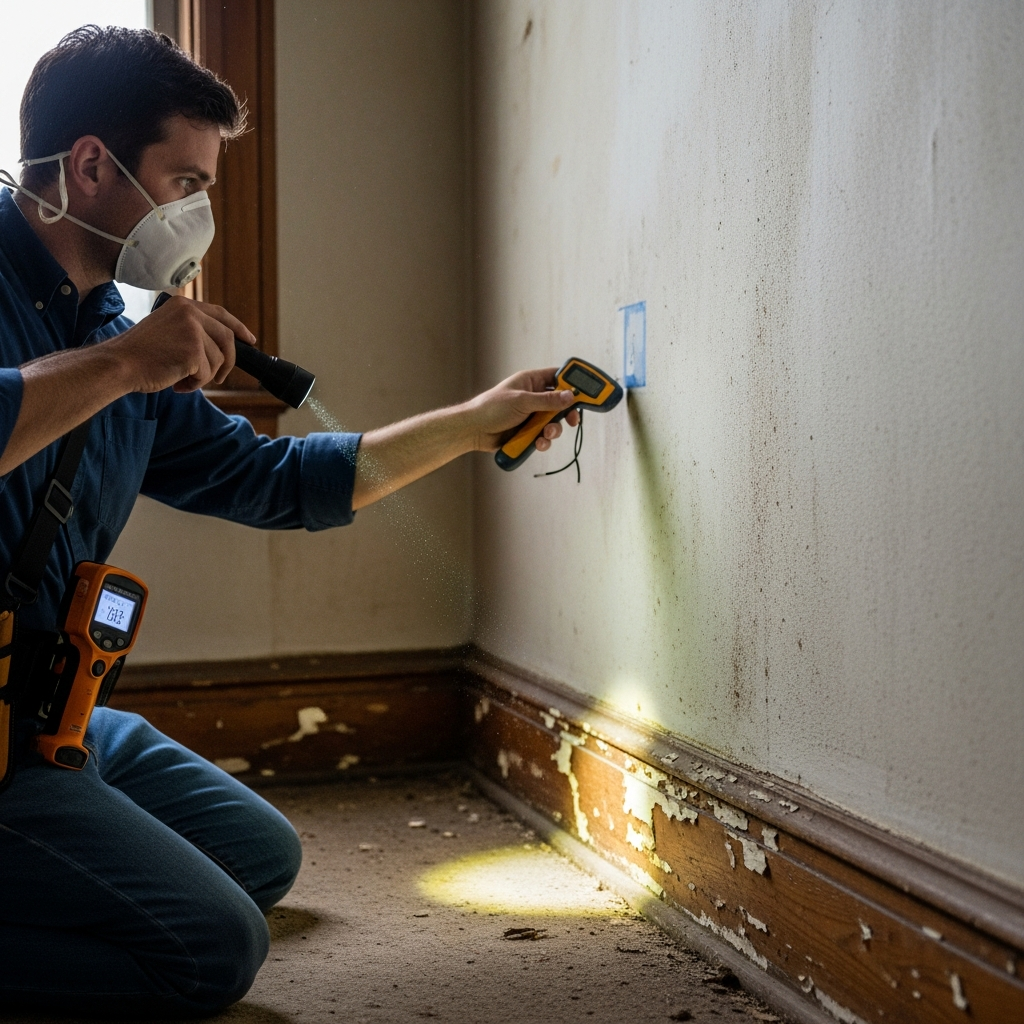
Accurate inspection is the foundation of effective mold mitigation in Bloomfield, New Jersey. Without a disciplined evaluation of moisture sources, affected materials, and airflow patterns, even well-intended cleanup efforts can miss the mark. This guide explains what a thorough inspection looks like, how professionals trace problems from symptom to source, and what documentation you should expect before, during, and after mitigation. If you want to compare reputable approaches while you read, consider experienced mold mitigation services that emphasize building science, methodical reporting, and occupant protection.
Why inspection matters in Bloomfield homes and buildings
Bloomfield’s varied building stock—historic homes, mid-century properties, and contemporary structures—presents a wide range of assemblies and potential moisture pathways. Seasonal humidity swings and storm events challenge roofs, windows, foundations, and mechanical systems. A successful inspection recognizes these local patterns and connects them to what you see and smell indoors: musty odors after rain, window condensation on cold mornings, or darkened attic sheathing in winter.
Inspection is about causation. Mold exists where moisture persists. The inspector’s role is to confirm that a suspected wetting pathway aligns with the condition of materials and the building’s environment. Without this clarity, mitigation can treat symptoms while leaving the cause intact—a recipe for recurrence.
Core elements of a professional inspection
A comprehensive inspection pairs observation with instruments. Moisture meters—both pin and pinless—compare suspect areas to known dry references. Thermal imaging highlights temperature differences that may indicate hidden moisture or insulation gaps. Hygrometers measure room-by-room humidity and temperature to assess comfort, dew point risk, and HVAC performance. The inspector documents visible staining, material types, construction details, and any prior water events or repairs.
Interviews add context. Occupants can describe when odors intensify, where past leaks occurred, and how rooms are used. In offices, facility managers detail mechanical schedules, economizer settings, and recent service history. In homes, family routines—such as shower frequency, laundry timing, or cooking habits—can inform ventilation adjustments that reduce condensation and help prevent future growth.
Tracing moisture from symptom to source
Moisture follows physics and paths of least resistance. Inspectors track roof leaks along rafters to ceilings, plumbing leaks along studs to baseboards, and capillary action from foundations into drywall. They consider pressure relationships: leaky return ducts in basements can depressurize living spaces, pulling damp air inward. Bathroom fans that terminate in attics can distribute steam where cold sheathing awaits, promoting wintertime mold on roof decks.
Exterior clues matter too. Negative grading, short downspouts, clogged gutters, and failed window flashings are classic culprits. Masonry can transmit moisture through hairline cracks or porous mortar. Crawlspaces lacking vapor barriers allow ground moisture to rise, and unsealed penetrations invite humid air into cool floor assemblies. A strong inspection ties these observations to interior conditions, forming a coherent moisture narrative.
When and how sampling fits
Sampling is not a substitute for inspection, but it can add value in specific scenarios. Air samples compare particle profiles in suspect rooms to outdoor air or unaffected areas, offering insight into particle movement and areas needing containment. Surface samples can confirm whether discoloration is fungal or cosmetic. Post-mitigation samples, when used, can help document that cleaning objectives were met.
Sampling plans should be purposeful and explained in plain language, including what results mean for decision-making. In many residential projects, visual and moisture findings alone provide enough direction to proceed with mitigation. In complex, high-sensitivity, or multi-tenant environments, third-party sampling and clearance criteria support objective verification and long-term confidence.
Documentation you should expect
Good documentation tells the story from start to finish. Expect a written report with photos of affected areas, moisture meter readings, thermal images if used, and a clear statement of probable moisture sources. The report should propose a mitigation plan covering containment, negative pressure, selective demolition, cleaning, drying targets, and verification steps. If sampling is performed, results should be incorporated with interpretation in context, not just as raw data.
During mitigation, daily logs summarize materials removed, equipment in place, pressure readings, and moisture progress. After mitigation, the closeout package includes final photos, dry-standard readings, and a summary of source corrections and prevention recommendations. This record supports maintenance planning, prospective buyers, and peace of mind.
Inspection nuances by space
Basements often show complex moisture dynamics: seepage through walls, condensation on cool surfaces, and humid air drawn from outdoors. Inspectors check for efflorescence, peeling paint, and high humidity. They review drainage, sump performance, and the presence of vapor barriers. In finished basements, they carefully probe behind trim or access panels to evaluate hidden cavities without unnecessary demolition.
Attics reveal winter condensation and roof integrity. Inspectors look for darkened nail tips, discoloration along sheathing joints, and evidence of bath fans venting into the attic. They verify soffit and ridge ventilation, baffles, and air sealing at the attic floor to reduce warm air leakage. Plumbing chases, attic hatches, and recessed lights can all permit warm, moist air to rise into cold spaces.
Bathrooms and kitchens are hotspots for localized leaks and steam. Inspectors examine tile surrounds, fixtures, supply lines, traps, and cabinets. They consider exhaust fan sizing and duct routing to the exterior. Laundry rooms get similar attention, including the path of dryer exhaust and the condition of hoses and connections that can drip into concealed cavities.
Coordination between inspector and mitigator
In some projects, the inspector and mitigator are separate parties; in others, they are the same company with segregation of duties. Either model can work if transparency and documentation are strong. When roles are separate, the mitigator follows a written protocol and provides photos and logs for the inspector’s review. When they are the same, the company should still provide detailed reporting and invite third-party verification when appropriate or requested.
Clear communication ensures that containment aligns with building operations, that sensitive occupants are protected, and that source corrections are completed before reconstruction. Everyone benefits from a shared understanding of goals, criteria for success, and contingency plans if hidden conditions are discovered.
Preventive insights from inspection
One of the biggest values of inspection is forward-looking advice. Recommendations may include improving drainage, repairing flashing, installing backdraft dampers, balancing supply and return airflows, sealing attic bypasses, and adding humidity control. These targeted steps reduce the chance that mold will return and often improve comfort and energy performance.
Homeowners and property managers can also set up monitoring—humidity sensors, leak detectors, and simple visual checklists after storms. Training maintenance staff or family members to recognize early signs of moisture pays dividends, catching small issues before they become disruptive events.
Frequently Asked Questions
Q: Do I always need testing to start mitigation? A: No. In many cases, a robust inspection that identifies a moisture source and affected materials provides enough information to proceed. Testing is most valuable for complex histories, sensitive environments, or formal clearance requirements.
Q: How long does a professional inspection take? A: Duration varies with building size and complexity. A thorough residential inspection often takes a few hours, with additional time for reporting. Commercial spaces may require phased assessments and coordination with building operations.
Q: Can inspectors find every hidden cavity problem? A: They aim to minimize surprises by combining visuals, meters, thermal imaging, and selective openings. However, some conditions only reveal themselves during mitigation. Good teams plan for contingencies and communicate promptly if scope changes are needed.
Q: Is sampling safe during occupancy? A: Yes, when performed with care. Air and surface sampling are minimally invasive. Results should be explained clearly and used to inform decisions, not cause unnecessary alarm.
Q: How do I choose between inspectors and mitigators? A: Look for strong documentation, clear protocols, and references. Whether roles are separate or combined, insist on transparent reporting and, when appropriate, independent verification after the work.
Q: Will mold return after mitigation? A: If moisture returns, so can mold. Inspection-driven prevention—ventilation, drainage, air sealing, and humidity management—keeps conditions stable over time.
Turn inspection into resolution
A careful inspection connects causes to solutions. It ensures mitigation tackles the real problem, not just the visible symptom, and it provides the documentation you need for confidence and future planning. If you suspect hidden moisture or are navigating musty odors, act decisively with a structured evaluation and a clear path forward. For responsive support grounded in building science and thorough reporting, connect with specialists in mold mitigation services and move from uncertainty to a healthier, verifiable outcome in your Bloomfield property.