When mold shows up in a Bloomfield, New Jersey home, the right checklist turns confusion into action. This comprehensive guide walks you through preparation, contractor selection, on-site procedures, and long-term prevention—so you can verify that nothing important is missed. Bloomfield’s climate, with humid summers, cold winters, and fast weather shifts, demands a careful approach that targets both visible growth and the moisture driving it. As you work through this list, remember that a disciplined, containment-first mindset is what keeps your living areas protected. If you need a dependable starting point while reading, consider vetted mold mitigation services known for thorough planning, careful execution, and clear documentation.
Initial observations and safety
Start by noting musty odors, visible staining, or recurring damp spots after rain or showers. Record where and when you notice issues, including any seasonal patterns. If you suspect active leaks, shut off water at the fixture or main as appropriate. Keep children and pets away from suspect areas, and avoid aggressive cleaning or demolition without containment, which can spread spores and dust through the home.
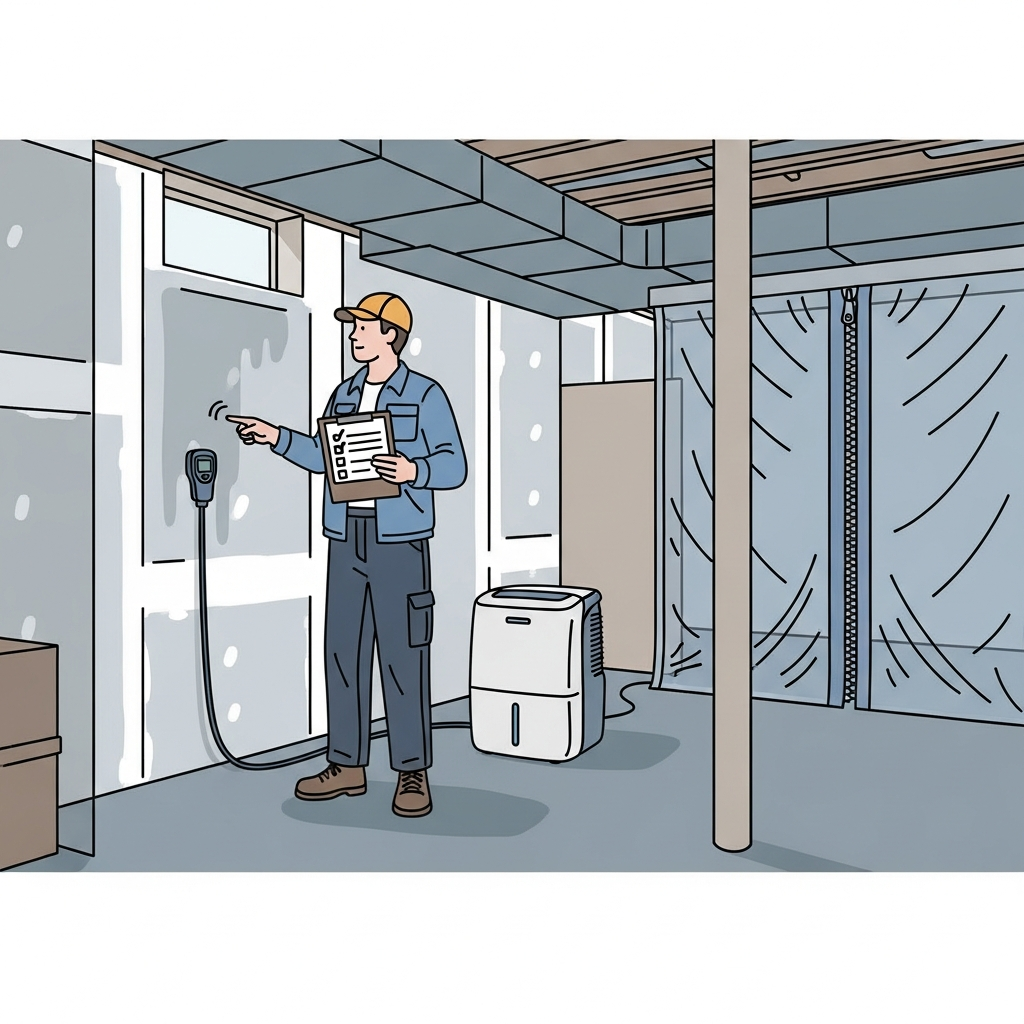
Next, consider ventilation and humidity. Run bathroom exhaust fans long enough after showers, and ensure they vent outdoors. In basements, measure relative humidity and use dehumidification to keep levels within a healthy range. Check that dryers vent outside and that attic vents are unobstructed. These steps will not fix existing mold but help stabilize conditions while you plan.
Contractor screening essentials
Ask each prospective contractor for a written protocol describing how they will identify and correct the moisture source before and during mitigation. Request confirmation of training, references from recent Bloomfield projects, and proof of appropriate insurance. A strong candidate explains containment design, negative air, selective demolition, HEPA-filtration cleaning, and verification—without vague promises or one-size-fits-all claims.
Evaluate communication. The best teams provide clear schedules, daily updates, and respectful coordination with your family’s routines. They describe how clean rooms will be protected, how contents will be handled, and what documentation you will receive upon completion. Predictability and transparency are as important as technical skill.
Pre-mitigation planning checks
Confirm that the moisture source is addressed or scheduled: roof or flashing repairs, plumbing fixes, drainage improvements, or ventilation upgrades. Review the containment map, including doorways, corridors, and staircases that will be used. Verify that supply and return vents within work zones will be sealed or managed to prevent cross-contamination, and that negative air machines will run continuously during demolition and cleaning.
Discuss contents. Identify items that must be protected, cleaned, or removed. Clarify how the team will handle soft goods, books, electronics, and sentimental items. Agree on staging areas and pathways to minimize disruption and keep the rest of the home clean during the job.
On-site procedures to verify
Watch for disciplined setup: clean barriers with zipper doors, taped seams, and clear labeling. Air scrubbers should be HEPA-filtered and ducted appropriately to establish negative pressure. Technicians should wear suitable respiratory protection and follow decontamination steps at exits to prevent tracking dust and spores into clean areas.
Selective demolition should be controlled and tidy, with debris bagged and sealed at the source. Porous, water-damaged materials like wet drywall and insulation are typically removed. Semi-porous and non-porous surfaces, such as framing and certain subfloors, are cleaned by HEPA vacuuming and damp wiping. Drying follows with dehumidifiers and controlled air movement, and daily moisture readings confirm progress toward dry standards.
Quality control during mitigation
Containment integrity is critical. The team should maintain negative pressure throughout demolition and cleaning. If hidden moisture is discovered, containment may be expanded and the plan updated. You should receive daily updates summarizing materials removed, moisture readings, and next steps, with photos that show clean work practices and well-maintained barriers.
Equipment placement and cord routing should respect safety and household routines. Doors and railings along access paths must be protected. When technicians exit the containment, they should decontaminate and clean contact points to keep living spaces dust-free.
Post-mitigation verification
Expect a detailed closeout. The contractor should provide before-and-after photos, moisture logs confirming dry standards, and a summary of steps taken to eliminate the source of moisture and remove affected materials. In complex or sensitive cases, third-party verification may confirm cleanliness and dryness before reconstruction begins.
Use this moment to confirm prevention upgrades—exhaust fans vented outdoors, leak alarms, humidity controls, or drainage improvements. Keeping the environment stable is the only way to convert a successful mitigation into lasting peace of mind.
Homeowner prevention checklist
Focus on durable habits. Run bathroom fans during and after showers, and consider humidity-sensing switches. Keep indoor humidity within a healthy range, especially during summer. Inspect gutters and downspouts regularly, extending leaders to move water away from the foundation. Grade soil to slope away from the home, and seal any gaps where utilities enter.
Inside, check for condensation on windows during cold weather, and address air leaks that create cold surfaces. Look under sinks for slow drips and around appliances like ice makers and washing machines for wet connections. In attics, ensure soffit vents remain clear and that bath fans discharge outdoors, not into roof cavities. In basements, ensure dehumidifiers drain continuously and that sump systems are functional and tested.
Common pitfalls to avoid
Avoid painting or coating over mold-stained materials without source control and proper cleaning. Such measures often fail when moisture persists, leading to blistering and renewed odors. Do not rely on fragrances or ozone to “solve” a moisture problem; real solutions involve stopping water and stabilizing humidity, then removing or cleaning affected materials under containment.
Be cautious with DIY demolition. Pulling out moldy drywall without containment can launch spores throughout your home. Even small projects should consider source control and particle capture. When in doubt, seek professional guidance.
Frequently Asked Questions
Q: How long should a typical mitigation take in a Bloomfield home? A: Scope, materials, and drying times vary, but many projects require several days to a couple of weeks when thorough drying and verification are included. Clear communication keeps schedules predictable.
Q: Do I need testing before or after mitigation? A: Not always. Many residential projects proceed based on visual and moisture assessments. In special cases—sensitive occupants, complex histories, or for documentation—third-party testing and clearance can provide extra assurance.
Q: Can I stay in the home during work? A: Often yes, with proper containment and negative pressure. Sensitive individuals may prefer to avoid demolition days. Your contractor should discuss safety and comfort in advance.
Q: What happens to my belongings? A: Items are evaluated individually. Non-porous belongings can often be cleaned; heavily affected porous items may be discarded. The goal is to prevent re-seeding clean spaces while protecting what matters most.
Q: How do I keep mold from coming back? A: Control moisture through ventilation, humidity management, drainage, and prompt leak repair. Regular inspections after storms or seasonal changes catch small issues early.
Put your checklist into action
With a clear plan and the right partner, you can turn a stressful situation into a manageable project. Insist on source control, robust containment, meticulous cleaning, and transparent documentation. Then lock in the results with prevention habits tailored to your home and Bloomfield’s climate. If you are ready for step-by-step help, reach out to trusted specialists in mold mitigation services and move forward with confidence, knowing every critical box is checked.